






Nature’s Sponges for Flood Defence
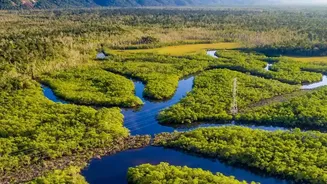
Wetlands function as nature's own flood control system. When heavy rains overwhelm concrete drains, these ecosystems act like giant sponges. Their vegetation and soil absorb massive amounts of rainwater, slowing its flow and reducing the speed of runoff.
This process significantly lowers the peak flood levels downstream. Just one acre of wetland can store between one to one-and-a-half million gallons of floodwater. By holding this excess water and releasing it slowly, they prevent the sudden waterlogging that paralyses urban life. In watersheds where wetlands have been lost, peak flooding can increase by as much as 80%, demonstrating their critical role in protecting our built environments. This natural braking action not only mitigates flood damage but also reduces soil erosion.
Replenishing Our Most Precious Resource
Beyond preventing floods, wetlands play an equally vital role beneath the surface by recharging groundwater. The water they absorb doesn't just sit there; it slowly percolates down through the soil, replenishing the underground aquifers that are a primary source of drinking water for many cities. This natural filtration and storage process is crucial, especially as urban centres grapple with depleting water tables due to over-extraction. Wetlands essentially act as slow-release reservoirs, ensuring that rainwater contributes to long-term water security instead of being lost as surface runoff. By maintaining the health of these ecosystems, cities can build resilience against drought and reduce their reliance on expensive and energy-intensive water transportation projects.
The High Cost of Neglect
Despite their immense value, urban wetlands are among India's most threatened ecosystems. Many have been lost over the past few decades, often dismissed as 'wastelands' and filled in for construction projects, roads, and housing complexes. Cities like Chennai, Bengaluru, and Mumbai have lost a significant percentage of their wetlands to unplanned urbanisation. The consequences are stark: once-thriving lakes have turned into stagnant, polluted bodies of water, and natural floodplains have been replaced with concrete. This destruction is directly linked to the increased frequency and severity of urban floods, as seen in Chennai and Bengaluru, where building on natural drainage channels has had disastrous results.
A Blueprint from Kolkata
For a successful model of urban wetland management, one only needs to look to the East Kolkata Wetlands (EKW). This 12,500ndectare Ramsar site acts as the city's natural wastewater treatment plant and a formidable flood defence system. The wetlands absorb excess monsoon rainfall, protecting Kolkata from severe waterlogging. At the same time, they naturally treat a significant portion of the city's sewage, which is then used for fish farming and agriculture, supporting thousands of livelihoods. The EKW demonstrates how traditional ecological knowledge can be integrated into modern urban planning, turning a potential waste problem into a sustainable resource and offering a powerful, nature-based solution to climate resilience.
The Path Forward : From Wasteland to Asset
Protecting and restoring urban wetlands is no longer a choice but an ecological and economic necessity. The solution lies in shifting our perspective and treating these ecosystems as critical natural infrastructure, as vital as roads and bridges. This requires stronger legal frameworks, an end to illegal encroachment, and integrated urban planning that respects natural water flows. Restoration projects, such as those in Chennai to rejuvenate lakes like Sembakkam, show a path forward. These efforts involve desilting, cleaning polluted water, and planting native species to revive the wetland's natural functions. By mainstreaming wetlands into urban policy, cities can harness their power to build a more secure, resilient, and sustainable future for all residents.