








Inspect Your Roof and Terrace
Your roof is your home's primary shield against the rain. Before the downpours begin, it's crucial to conduct a thorough visual inspection. Look for any loose, cracked, or missing tiles that could let water seep in. If you have a flat terrace, check for any cracks
in the surface or the waterproofing layer. Pay close attention to areas where pipes or antennas penetrate the roof, as these are common weak points for leaks. If you notice any damage, it’s best to get it repaired by a professional immediately. A small leak can quickly escalate into a major problem, causing damage to your ceilings, walls, and electrical wiring.
Clear All Gutters and Drains
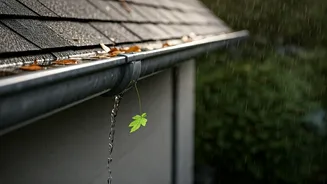
This is one of the most critical yet frequently ignored tasks. Gutters and drainage pipes are designed to channel rainwater away from your home's foundation and roof. Over the dry months, they accumulate leaves, dirt, and other debris, which can cause blockages. When heavy rain arrives, clogged gutters will overflow, sending water cascading down your walls or pooling on your roof. This can lead to seepage, structural damage, and even foundation issues over time. Use a sturdy ladder and gloves to clear out all debris. While you're at it, check the drains around your property and in your balconies to ensure they are also clear and can handle a sudden deluge.
Seal Gaps in Windows and Doors
Wind-driven rain has a knack for finding its way through the smallest of gaps. Inspect the frames of your windows and exterior doors. Look for any cracks in the sealant or gaps between the frame and the wall. Old wooden frames can warp and shrink, creating entry points for water. Use a good quality silicone sealant to fill these gaps. This not only prevents water from getting in but also helps to keep your home insulated and free from pests. For larger gaps under doors, consider installing door sweeps or weatherstripping for an extra layer of protection.
Check Walls for Cracks and Seepage
Take a walk around the exterior of your home and inspect the walls for any cracks, especially vertical ones. These can be a direct pathway for rainwater into your home's structure. Similarly, check interior walls for any signs of dampness, peeling paint, or a white, chalky substance known as efflorescence. This is a clear indicator of moisture getting through the wall. Minor cracks can often be filled with exterior-grade filler or cement. For significant cracking or persistent dampness, it’s wise to consult a professional to identify and fix the root cause, which could be a plumbing leak or poor waterproofing.
Trim Trees and Secure Outdoor Items
Heavy rain is often accompanied by strong winds. Overhanging tree branches can become a serious hazard, potentially breaking off and damaging your roof, windows, or power lines. Trim any dead or precariously positioned branches, especially those close to your house. Don't forget about your outdoor space. Secure or move any lightweight items that could be blown around, such as garden furniture, potted plants, garbage bins, and children's toys. These can become dangerous projectiles in high winds, causing damage to your property or your neighbours'.
Examine Your Electrical Systems
Water and electricity are a deadly combination. Before the rains, ensure all external electrical wiring is properly insulated and secured. Check that any outdoor sockets have waterproof covers. Inside, identify the location of your main circuit breaker (MCB) box. In case of any flooding or a major leak near electrical points, you should know how to shut off the power immediately. Test your Earth Leakage Circuit Breaker (ELCB) or Residual Current Circuit Breaker (RCCB) to ensure it's functioning correctly. These devices are designed to cut power flow instantly in case of a leakage, preventing electric shocks.
Prepare a Basic Emergency Kit
Heavy rains can sometimes lead to power cuts or make it difficult to leave the house. Being prepared can make a huge difference. Assemble a simple emergency kit with essentials like torches, spare batteries, a power bank for your phone, a first-aid kit, and some non-perishable food items and drinking water. Having candles and matches on hand is also a good idea. Knowing that you have these supplies ready will provide peace of mind and ensure your family remains safe and comfortable during any weather-related disruptions.