


What 'The Core' Really Means
When most people hear 'core,' they picture six-pack abs. But that's only one part of a much larger, more complex system. Your core is a 3D cylinder of muscles that includes your rectus abdominis (the six-pack), internal and external obliques on your sides,
the transverse abdominis (your deepest abdominal muscle), the muscles of your lower back, and even your glutes and pelvic floor. This muscular 'corset' works together to stabilize your entire body, protect your spine, and serve as the foundation for all movement. Thinking of it as just your abs is like thinking of an engine as just its spark plugs.
The Power of Control and Proper Form
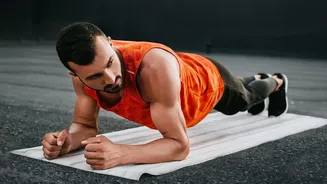
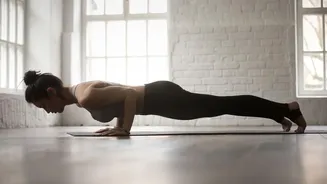
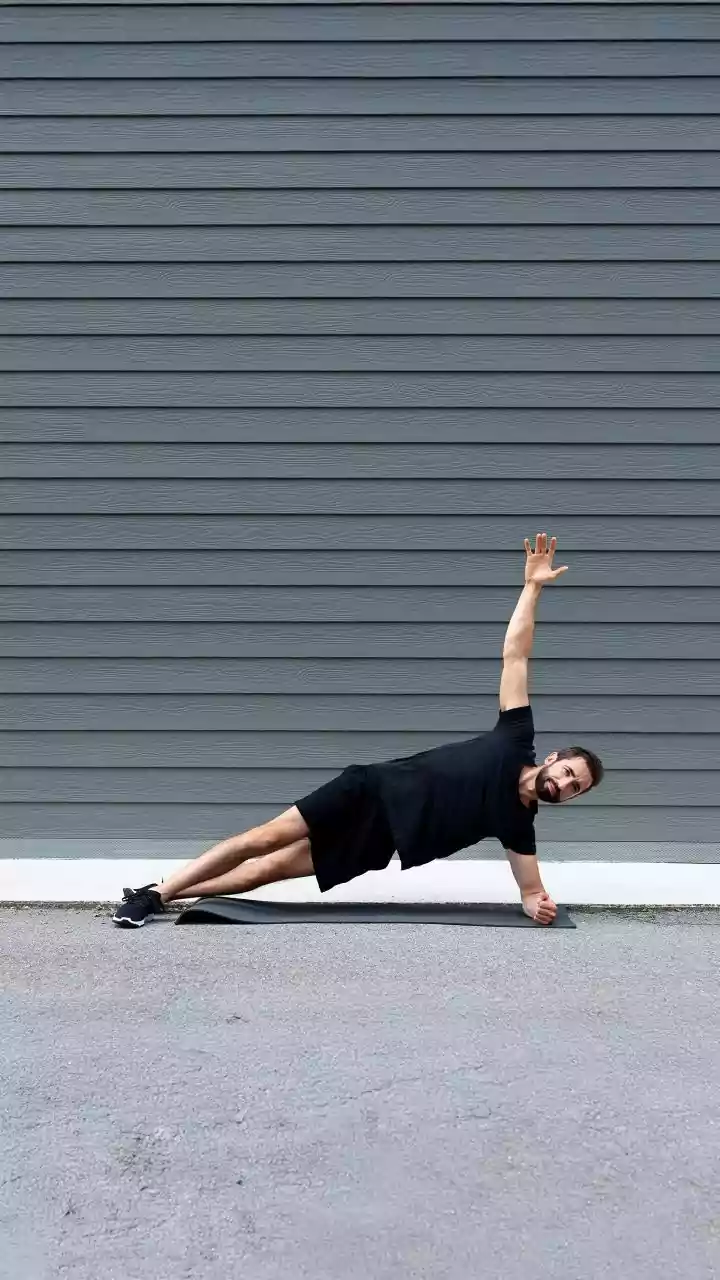
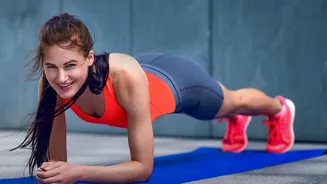
Better control means focusing on precise, deliberate movements where you actively feel the right muscles working. It’s about creating a mind-muscle connection. Instead of rushing through 30 sloppy crunches, you perform 10 slow, intentional ones, focusing on proper breathing and keeping your spine in a safe, neutral position. This means no arching your back during a plank or using momentum to swing your legs. Proper breathing is crucial; holding your breath can increase blood pressure and prevent oxygen from reaching your hard-working muscles. The goal is to perform each repetition perfectly, strengthening the correct stabilization patterns instead of reinforcing bad habits.
The Risks of Prioritizing Quantity
Chasing a high number of reps or exercises without mastering the basics is a recipe for disappointment and injury. When your form breaks down, your body compensates. For example, if your deep core muscles fatigue during a plank, your hip flexors and lower back might take over, leading to strain and potential pain. Overworking one part of your core, like the abs, while neglecting others can create muscle imbalances that compromise your stability and posture. Rushing through movements reinforces poor motor control, essentially teaching your body to move inefficiently and increasing your risk of injury not just in the gym, but in daily life.
How to Progress with Control
Progression doesn't always mean adding a new, more complicated exercise. For beginners, the first and most important progression is improving your control over foundational movements. Start with two or three basic exercises, like the plank, the bird-dog, or dead bug. Instead of adding more exercises, focus on perfecting these. Progress by increasing the duration of a hold with perfect form—if your hips sag in a plank after 30 seconds, your goal is a perfect 35-second hold, not adding a different exercise. For movements like the bird-dog, slow the pace down, focusing on keeping your torso absolutely still as your arm and leg extend. This method of focusing on quality ensures you are building real, functional strength that will protect your body and serve as a solid base for more advanced training later on.