






The Power of a Single Taste
Travel is often a multisensory experience, but food has a unique power to define a place. Beyond grand monuments and famous cities, the distinct taste of a local delicacy can become the most potent memory. This concept is now evolving into a powerful
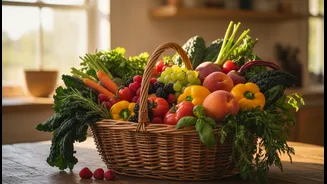
driver for tourism. The idea is simple yet profound: a single, unique agricultural product, often with a Geographical Indication (GI) tag, becomes the anchor for a dedicated travel itinerary. This isn't just about finding a good meal; it's about building an entire ecosystem of experiences—farm stays, tasting tours, local market visits, and cooking classes—all revolving around one hero ingredient. Tourists are increasingly seeking these authentic experiences, with studies showing they spend a significant portion of their budget on unique culinary encounters.
Case Study: The Alphonso Mango Trail
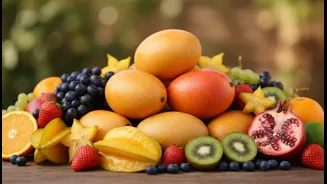
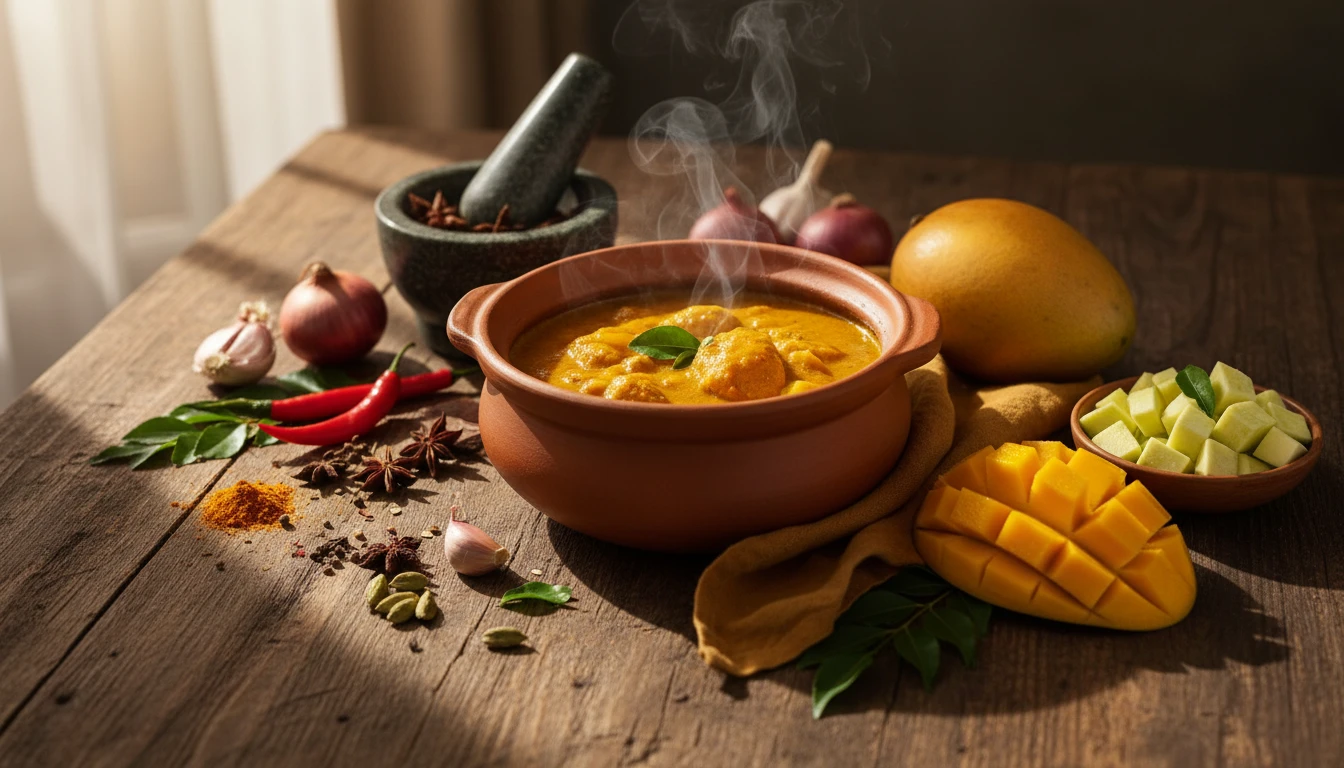
Consider the king of fruits, the Alphonso mango from the Konkan coast of Maharashtra. This GI-tagged variety, locally known as 'Hapus', is celebrated for its creamy texture and unparalleled sweetness. During mango season, from March to June, the entire region transforms. A journey through Ratnagiri and Devgad becomes a pilgrimage for mango lovers. Travellers can stay on organic mango farms, participate in harvesting, and indulge in unlimited mango tasting sessions. The route is dotted with homestays and resorts that offer curated mango-centric experiences, from meals featuring raw and ripe mangoes to learning how to make traditional pickles and preserves. This 'mango trail' is a perfect example of how a seasonal fruit has created a perennial draw for tourists, attracting visitors from across India and the world.
From Farm to Fork, and Beyond
A successful food route is much more than just a line on a map. It's a network of interconnected businesses and cultural practices. Along the Konkan mango trail, for instance, the journey takes you beyond the orchards. You visit local markets where farmers sell their prized produce, and small-scale entrepreneurs offer value-added products like 'aamras' (pulp), 'aam poli' (fruit leather), and pickles. These routes often weave in other local attractions, such as the pristine beaches and historic forts of the Konkan coast, creating a more rounded travel experience. The food becomes the lens through which travellers experience the region's landscape, history, and the hospitality of its people. This form of tourism is deeply sustainable, as it is rooted in the local environment and community.
The Economic Ripple Effect
The benefits of such a food-centric tourism model extend far beyond the individual traveller's experience. It creates a powerful ripple effect through the local economy. For farmers, it provides a direct-to-consumer channel, often yielding better prices and reducing dependency on intermediaries. It stimulates a host of ancillary businesses, from hospitality and transport to food processing and handicrafts, generating employment and encouraging entrepreneurship. Furthermore, by celebrating and creating demand for a specific regional product, it encourages the preservation of traditional farming techniques and biodiversity. GI tags play a crucial role in this, protecting the product's authenticity and ensuring that the economic benefits flow back to the community of origin.
What Makes a Food Route Thrive?
While the potential is immense, creating a successful food-tourism route requires several key ingredients. First and foremost is an authentic, high-quality product with a strong story. Community participation is vital; local farmers, business owners, and residents must be involved and see tangible benefits. Basic infrastructure, such as good roads, clean accommodation, and clear signposting, is also essential. Finally, effective marketing and storytelling are needed to capture the imagination of potential travellers and communicate the unique experience on offer. Whether it's the spice plantations of Kerala, the tea gardens of Darjeeling, or the saffron fields of Kashmir, India has countless regional treasures waiting to become the next great food-tourism story.