


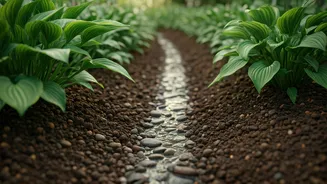
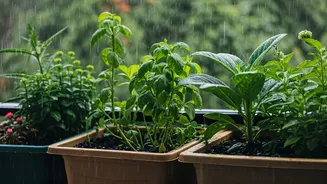


The June Dream vs. The July Reality
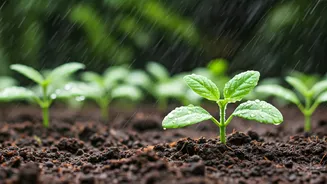
In the early days of the monsoon, every seed in its pot tray is a promise of lush growth and future harvests. We transplant them with high hopes, imagining vibrant flowers and fresh vegetables. But July, with its relentless rain and humidity, often tells
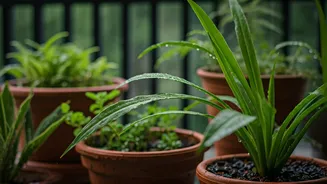
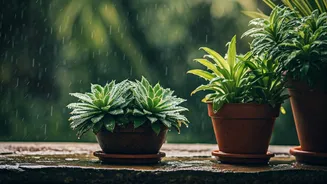
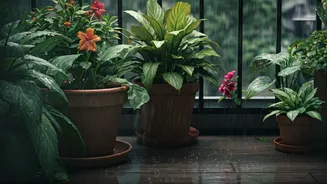
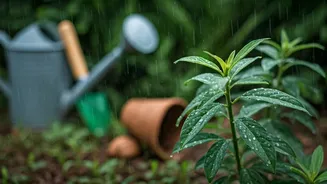
a different story. Instead of thriving, some plants look pale, weak, and stalled. This isn't a sign of failure; it's a call to action. The Indian monsoon creates a unique set of challenges—from waterlogged soil to fungal frenzies—that require a shift in care from nurturing tiny seedlings to managing established but struggling plants.
Problem: Leggy, Weak Stems
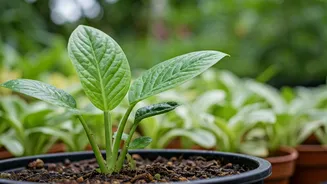
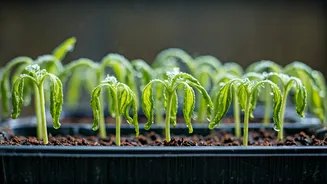
Are your young plants tall, thin, and floppy, looking like they’re stretching desperately for something? This is a classic case of 'legginess'. It often starts when seedlings compete for light in a crowded tray but can be made worse after transplanting if they don't get enough direct sun due to overcast monsoon skies. These weak stems are vulnerable to being battered by rain and wind. To fix this, ensure plants are thinned to reduce competition. For some plants like tomatoes, you can bury a portion of the leggy stem when repotting, which encourages new roots to grow from the stem and creates a sturdier base. For others, providing a small stake for support can prevent them from snapping in heavy downpours.
Problem: Yellowing Leaves and Stunted Growth
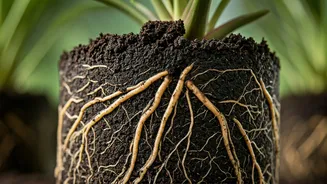
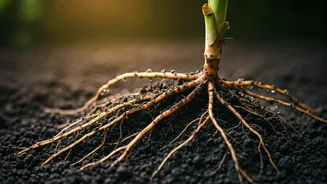
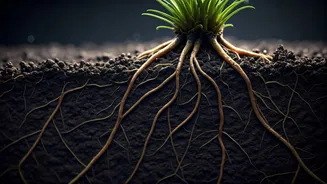
Yellowing leaves are a plant's primary way of showing distress. During the monsoon, the most likely culprit is overwatering. Constant rain can saturate pots and garden beds, suffocating the roots by pushing oxygen out of the soil. This prevents them from absorbing nutrients, leading to yellow leaves and stunted growth. Make sure all your pots have clear drainage holes. It can be helpful to elevate them on bricks to keep them from sitting in puddles. Before you even think about watering, check the soil; if it's moist, leave it be. The non-stop rain might also be washing away essential nutrients like nitrogen from the soil, which also causes yellowing. A light dose of a balanced organic liquid fertiliser can help replenish what the rain has leached.
Problem: Pesky Pests and Fungal Attacks
The warm, damp conditions of the Indian monsoon are a paradise for pests and fungal diseases. Slugs, snails, and aphids multiply rapidly, while fungal issues like powdery mildew and root rot become a serious threat. Good airflow is your best defence. Prune away any crowded, dead, or yellowing leaves to allow air to circulate freely between the plants. Avoid planting too densely. Regularly inspect your plants, paying close attention to the undersides of leaves where pests love to hide. A preventative spray of neem oil solution is an effective organic way to deter many common pests and fungi before they can take hold and cause significant damage.
The Hard Decision: When to Give Up
Part of being a good gardener is knowing when to let go. If a plant is more than half dead, covered in a disease that's spreading, or simply showing no signs of new growth after you’ve tried to help it, it might be time to pull it out. Holding onto a severely sick plant can risk spreading the problem to its healthy neighbours. It can also become a source of stress and guilt for you, the gardener. Removing a failing plant isn't giving up; it's a strategic decision. It frees up space, soil, and your energy for plants that have a better chance of thriving or for planting new, monsoon-appropriate crops like spinach or okra that will do well in the current conditions.