



An Innings for the Ages
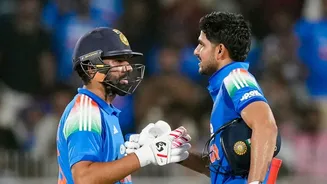
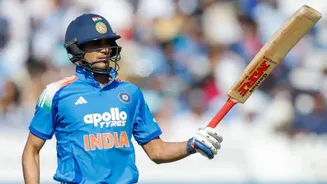
It was a night where records tumbled and a new hero was forged in the heat of a monumental task. Chasing a mammoth 406, India needed something beyond special. Captain Shubman Gill delivered an innings that will be spoken about for decades. His breathtaking
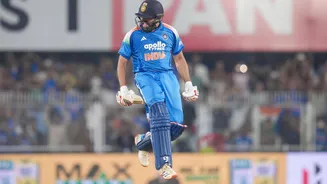
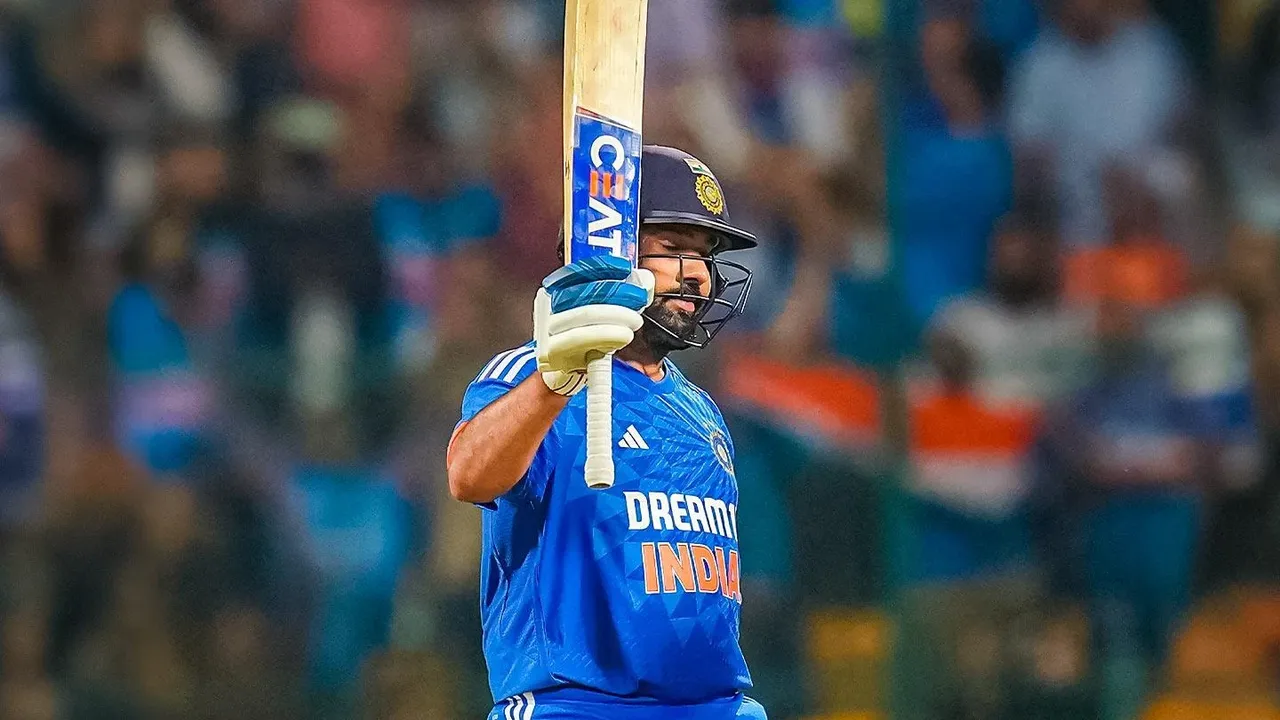
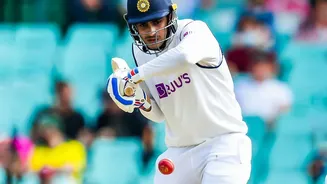
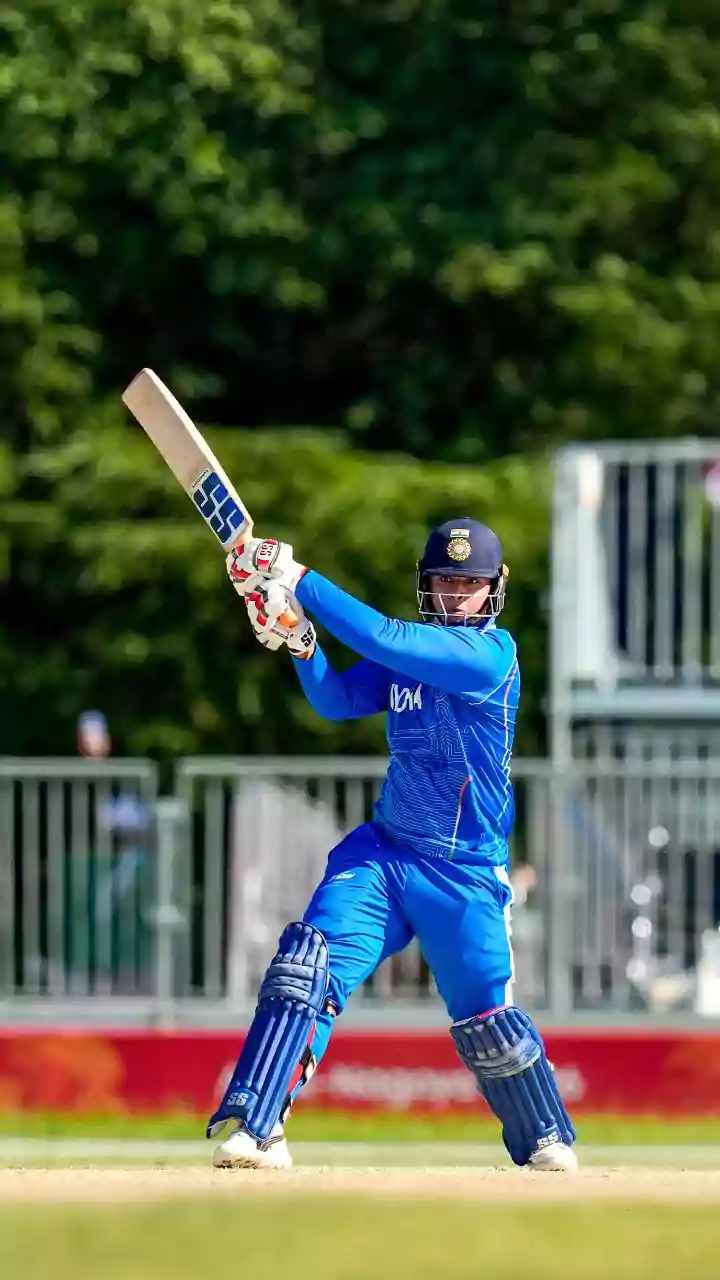
223 not out from just 133 balls was not just a match-winning knock; it was a statement of intent. With 26 fours and eight sixes, Gill dismantled the West Indian attack, making a mockery of a target that seemed impossible. This was only the second time in men's ODI history that a target over 400 has been successfully chased. In leading his team to this historic eight-wicket victory, Gill also registered the fastest double century in ODI history, reaching the milestone in just 117 balls.
The Inevitable Comparison
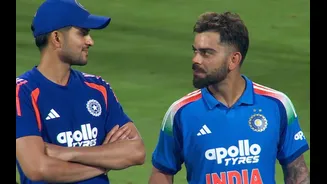
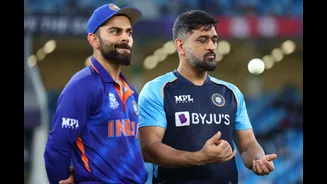
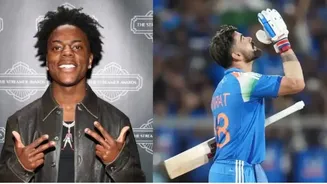
In Indian cricket, every great batsman is destined to be compared to the legends before them. For years, the benchmark for chasing, for thriving under pressure, has been Virat Kohli. Dubbed the 'Chase Master', Kohli built a legacy on finishing games for India with astonishing consistency. Now, with Gill’s meteoric rise and an innings of such magnitude in a chase, the conversation has shifted. Fans and pundits alike are asking if this is a passing of the torch. The comparison is no longer just about talent, but about a specific, almost genetic predisposition to mastering high-pressure run chases. Gill, who is now the captain in both Test and ODI formats, is being seen as the heir to Kohli's throne, not just as a player but as a leader who defines an era.
Tale of the Tape: Chasing Numbers
While Kohli's legacy is built on a mountain of runs, Gill's early career statistics are nothing short of phenomenal. Even before his recent heroics, Gill was leading the run charts in ODIs. The key differentiator in the 'chase DNA' debate lies in their numbers when batting second. Kohli’s average in successful ODI chases is legendary, a testament to his ability to absorb pressure and remain unbeaten. Gill, however, is building an equally formidable record. Comparisons of their first 50 ODIs show Gill significantly ahead in terms of runs, average, and strike rate. This latest double-century, the highest individual score ever in an ODI chase, elevates Gill's status from a 'prince' with potential to a 'king' with a voracious appetite for runs and victory.
Beyond the Numbers: Style and Temperament
The true essence of their 'chase DNA' lies beyond the statistics. Kohli’s method is one of fiery intensity, relentless running between the wickets, and a calculated deconstruction of the target. His on-field persona is aggressive, wearing his heart on his sleeve. Gill presents a different picture. His style is often described as elegant and sublime, a classical technique married with modern, explosive power. There's a calm authority to his batting, an almost serene presence at the crease even as he is unleashing carnage. While Kohli intimidates bowlers with his presence, Gill disarms them with his grace before delivering the killer blow. Both are supreme athletes, but their approaches to dismantling a chase reflect their distinct personalities.
The 'Chase DNA' Verdict
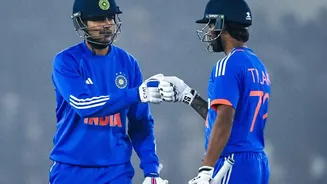
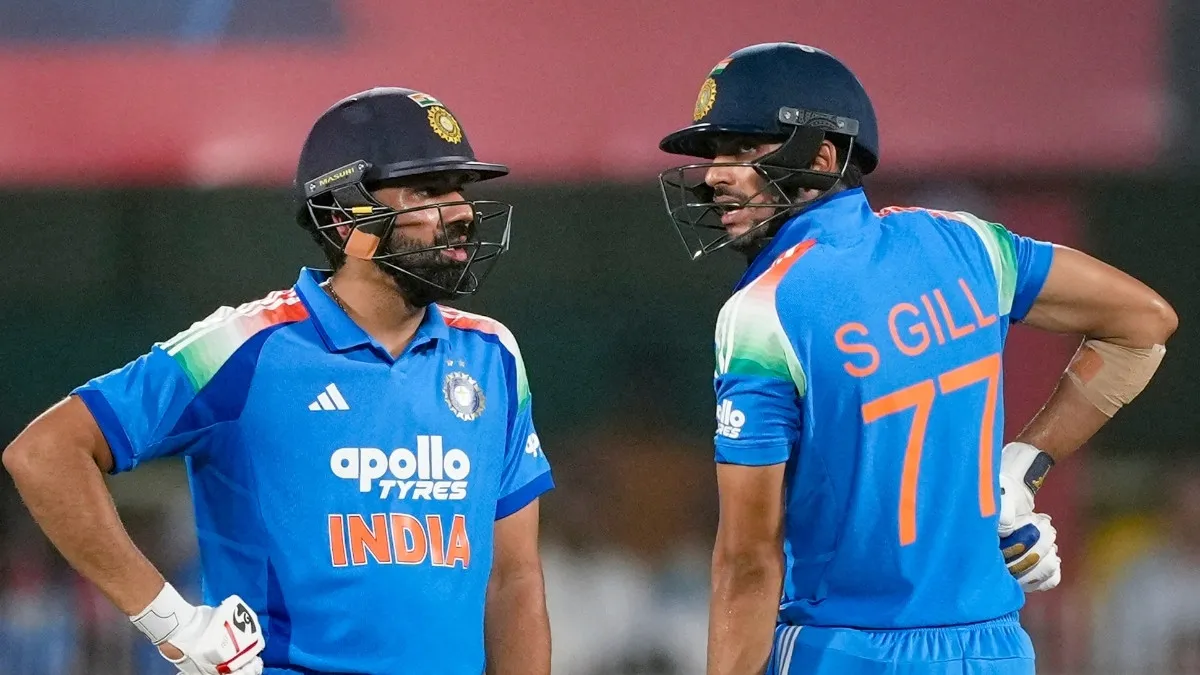
So, is it the same DNA? Perhaps not identical, but certainly from the same elite lineage. Gill is not a carbon copy of Kohli; he is an evolution. He possesses the same core elements that define a master chaser: an unshakeable self-belief, a hunger for big scores, and the mental fortitude to perform when the stakes are highest. However, his method is his own. Where Kohli mastered the art of building a chase brick by brick, Gill seems to possess an ability to blow the house down from the very start, as seen in his record-breaking partnership with Rohit Sharma. The DNA is shared in its purpose—to win—but the expression of that DNA is evolving with a new generation. Gill has proven he is not the 'next Kohli', but rather the first Shubman Gill, a player ready to write his own chapter in the annals of Indian cricket history.