







The Summer’s Cutest Trend
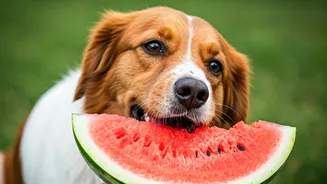
Social media feeds are awash with the satisfying crunch of dogs enjoying frozen watermelon. These clips, often set to trending audio, show pure, unadulterated canine joy. From huskies who gently nibble the icy treat to French bulldogs who attack it with gusto,
the appeal is undeniable. For pet parents, it’s a simple way to offer relief from the sweltering Indian heat and share a moment of happiness with their furry companions. The trend has exploded because it’s relatable, visually appealing, and taps into a universal desire to pamper our pets. But as the videos rack up millions of views, a practical question follows every “aww”: is this actually safe?
Is Watermelon Safe for Dogs?
The short answer is yes, but with some very important caveats. The flesh of the watermelon is perfectly safe for dogs. It’s made of about 92% water, making it a fantastic source of hydration on a hot day. It also contains beneficial nutrients like vitamin A, B6, and C, as well as potassium. This combination makes it a low-calorie, hydrating treat that most dogs find delicious. However, the safety stops at the pink fruit. You must ensure your dog does not consume the seeds or the rind. Watermelon seeds can cause an intestinal blockage, which can become a serious medical emergency. While a couple of seeds might pass through a large dog without issue, it’s not a risk worth taking. Black seeds also contain trace amounts of cyanide, which can be harmful if consumed in large quantities over time.
The Danger of the Rind
The tough, green rind of the watermelon presents an even bigger problem. It is very difficult for a dog to digest. Ingesting the rind can lead to gastrointestinal upset, including vomiting and diarrhoea. More dangerously, it poses a significant choking hazard and can cause a severe intestinal blockage, which may require surgery to correct. Many of the viral videos show dogs chewing on large slices, rind and all. While it may look cute, veterinarians strongly advise against this. Always remove the rind completely before offering watermelon to your dog.
Portion Control Is Key
Like any treat, watermelon should be given in moderation. Despite its high water content, it does contain natural sugar. For dogs, treats should not make up more than 10% of their daily caloric intake. Overfeeding sugary fruits can contribute to weight gain, an upset stomach, or diarrhoea. It can also be problematic for dogs with conditions like diabetes. As a general rule, a few small, one-inch cubes are a suitable serving for a medium-sized dog. For smaller breeds, even less is better. It’s a special treat, not a meal replacement. If you have any concerns about your dog’s specific dietary needs, it’s always best to consult your veterinarian.
How to Prepare the Perfect Frozen Treat
Inspired by the videos and ready to try it safely? Here’s the best way to prepare frozen watermelon for your pup.
1. **Choose Seedless:** Start with a seedless watermelon to minimise the risk from the outset. Even seedless varieties can have small, white seed casings, but these are generally harmless.
2. **Wash the Outside:** Before you cut into it, give the watermelon a good wash to remove any pesticides or bacteria from the rind’s surface.
3. **Remove the Rind and Seeds:** Cut the fruit into slices and carefully remove every bit of the green rind. If you didn’t get a seedless variety, take the time to pick out all the black seeds.
4. **Cut into Cubes:** Dice the watermelon flesh into small, bite-sized cubes appropriate for the size of your dog. This prevents choking.
5. **Freeze It:** Spread the cubes on a baking sheet lined with parchment paper and pop them in the freezer. Freezing them separately prevents them from clumping into one giant, dangerous block. Once frozen, you can store them in an airtight container or bag.
Other Cool Summer Treats for Pups
If your dog loves frozen watermelon, you might be wondering what other cool treats are on the menu. There are several safe and healthy options to help your dog beat the heat.
- **Frozen Banana Slices:** A great source of potassium, but high in sugar, so serve in moderation.
- **Blended Berries:** Blueberries and strawberries are packed with antioxidants. You can blend them with a little water and freeze them in an ice cube tray.
- **Plain Yogurt Pops:** If your dog isn't lactose intolerant, you can freeze plain, unsweetened yogurt. Be sure it contains no artificial sweeteners like xylitol, which is highly toxic to dogs.
- **Frozen Bone Broth:** A savoury and hydrating option. Freeze a dog-safe bone broth (no onions or high salt) in an ice tray for a cooling treat.