
An Eye in the Sky for All Seasons
For decades, India has relied on its constellation of Earth-observation and meteorological satellites to predict the weather. The Indian National Satellite (INSAT) system, first commissioned in the 1980s, marked a major leap forward from ground-based
stations alone. These satellites provide crucial data on cloud cover, sea surface temperatures, and wind patterns, forming the backbone of forecasts issued by the India Meteorological Department (IMD). However, as climate change makes weather patterns more extreme and erratic, the need for even more precise and timely data has become urgent. While existing satellites like the INSAT-3D series have been workhorses, the next frontier demands higher resolution, faster updates, and more sophisticated instruments to see what's coming with greater clarity.
What is EOS-05?
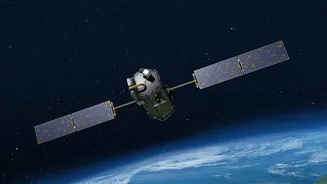
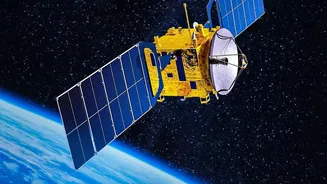
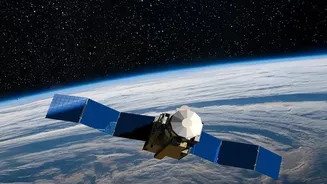
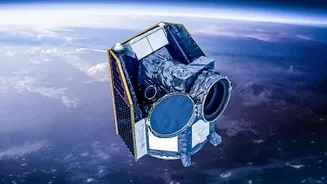
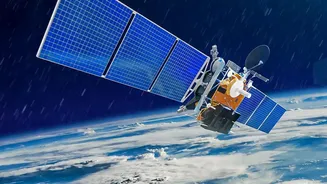
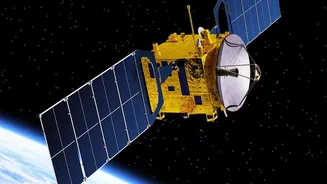
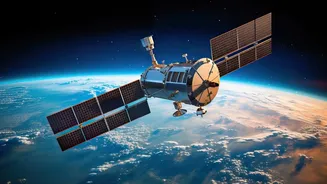
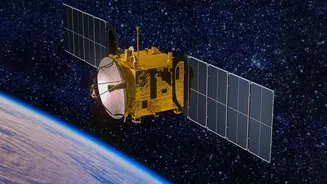
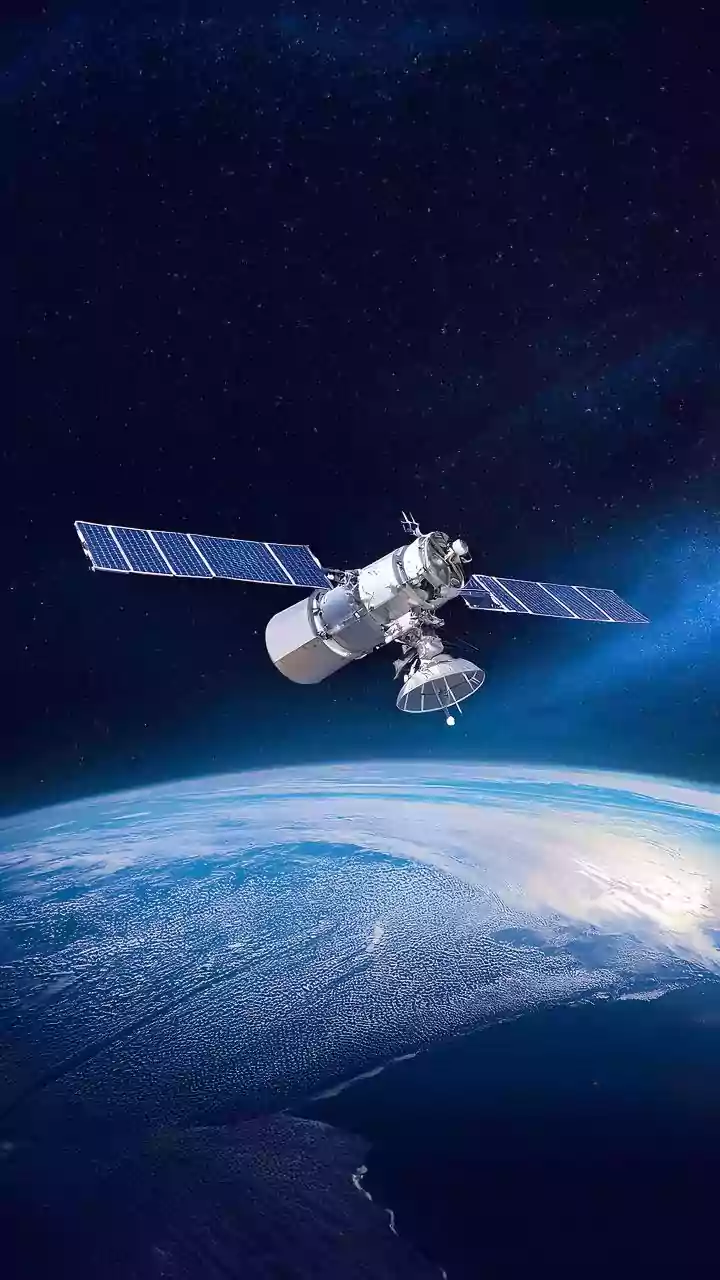
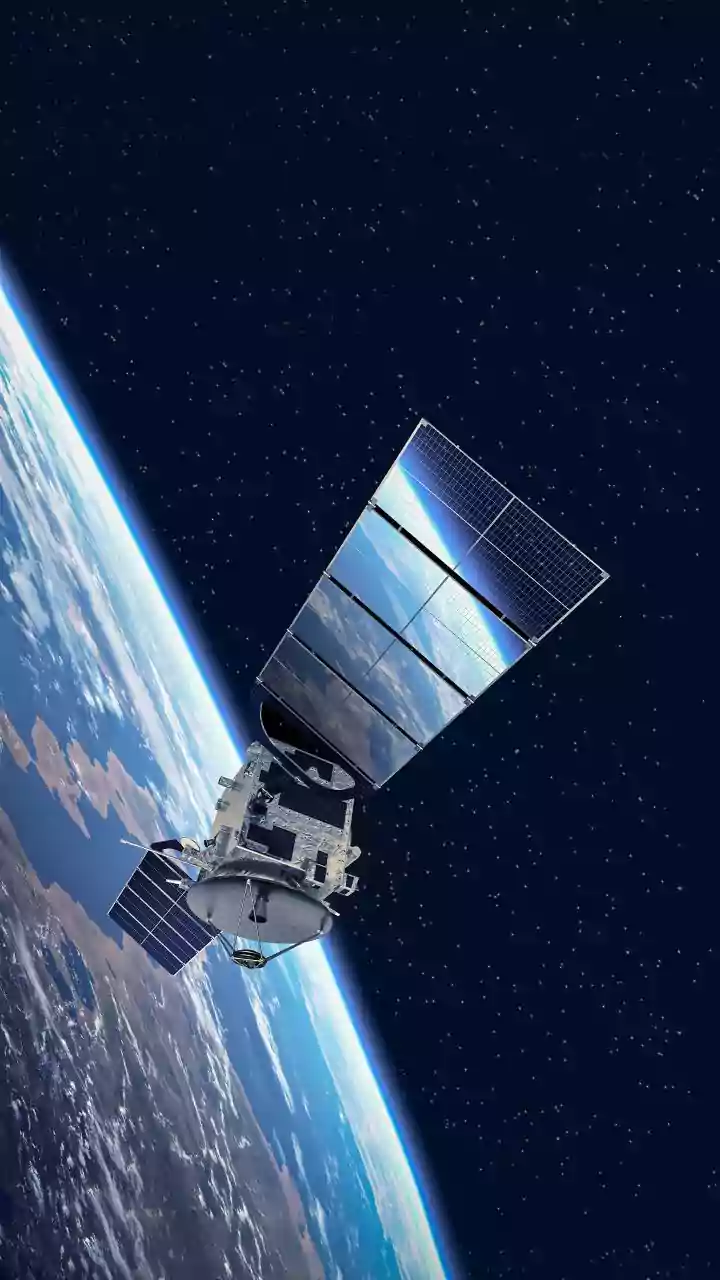
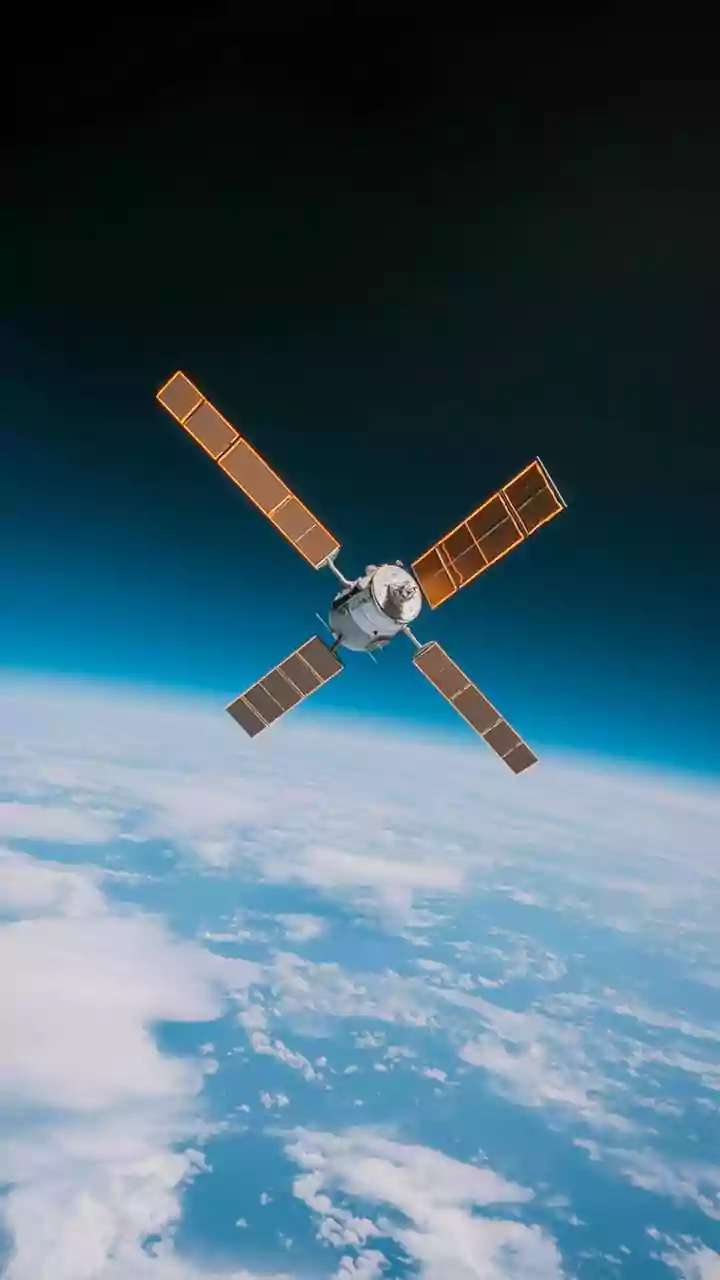
The headline mentions EOS-05, a name that suggests a continuation of ISRO's Earth Observation Satellite series. While an official satellite with the designation EOS-05 is slated for launch, its specific capabilities represent a broader technological ambition within ISRO. The goal is to deploy advanced imagers and sounders, potentially in geostationary orbit. Unlike polar-orbiting satellites that see a given spot on Earth only a few times a day, a geostationary satellite stays fixed over one area, offering constant surveillance. Recent launches like INSAT-3DS, which took over from its predecessors in early 2024, already carry enhanced meteorological payloads to monitor land and ocean surfaces for better disaster warnings. These satellites are designed to create three-dimensional models of the atmosphere, measuring temperature and humidity at different altitudes to improve forecast accuracy.
A Revolution for Farmers
For India’s agricultural sector, more advanced weather data could be a game-changer. Imagine a farmer getting precise, field-level forecasts about rainfall, not just for the district but for their specific area. Next-generation satellites aim to provide detailed information on soil moisture, vegetation health, and evaporation rates. This level of detail helps in making critical decisions: when to sow seeds, how much to irrigate, and when to harvest to avoid losses from a sudden downpour. With better long-range monsoon forecasts, enabled by continuous monitoring of sea temperatures in the Indian Ocean, the entire agricultural calendar can be planned more efficiently, boosting yields and securing livelihoods for millions.
Taming the Fury of Cyclones
Perhaps the most significant impact of enhanced satellite capabilities lies in disaster management. Satellites are India's first line of defence against cyclones. They can spot a brewing low-pressure system thousands of kilometres out at sea, long before it becomes a threat. A geostationary satellite with rapid-scan capabilities could provide updates every five to ten minutes, a dramatic improvement over current systems. This allows meteorologists to track a cyclone's path and intensity with unprecedented accuracy, predicting landfall with a smaller margin of error. More precise warnings mean more effective evacuations, moving people out of harm's way with more certainty and saving countless lives. The ability to monitor cloudbursts and flash flood events in near real-time would also give local authorities a crucial head start.
The Future is Integrated
The next leap in weather forecasting won't come from satellites alone. ISRO's future roadmap involves integrating this wealth of new space-based data with other technologies. Artificial intelligence and machine learning models are being developed to process vast datasets from satellites, radars, and ground stations, identifying patterns that human analysts might miss. Missions like the joint NASA-ISRO Synthetic Aperture Radar (NISAR) will add another layer of information, using radar to see through clouds and measure changes on the Earth's surface day and night. By combining these different sources, India is building a comprehensive, multi-layered system to create hyperlocal forecasts that are more accurate and actionable than ever before.