






The Double Threat of Heat and Humidity
Exercising in the heat already puts extra stress on your body. Your heart has to work harder, pumping more blood to your skin to help release heat. Your body’s primary cooling mechanism is sweating. But when the air is humid, it's already saturated with
moisture, which means your sweat can't evaporate effectively. Instead of cooling you down, sweat just drips off, leading to a useless loss of water and electrolytes. This forces your internal thermostat to work even harder, increasing your core body temperature and putting significant strain on your cardiovascular system. This is why a 30-degree day with high humidity can feel far more challenging than a 35-degree day in a dry climate.
Recognise Your Body’s Warning Signs
It's crucial to distinguish between feeling tired and the onset of heat-related illness. The first stage is often heat exhaustion, with symptoms including dizziness, headache, nausea, heavy sweating, and cool, clammy skin. You might also experience muscle cramps, intense thirst, and weakness. If you feel any of these, you must stop, move to a cool place, and rehydrate. If left untreated, heat exhaustion can progress to heatstroke, which is a life-threatening emergency. The signs of heatstroke include a very high body temperature (above 103-104°F), hot and dry skin (or sometimes profuse sweating), a rapid pulse, confusion, and potential loss of consciousness. Heatstroke can cause organ damage and requires immediate medical attention.
Smart Strategies for Safer Workouts
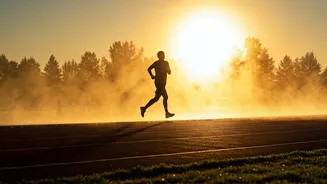
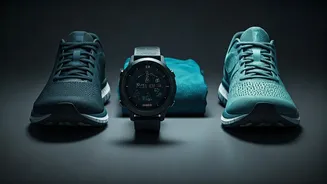
Timing and location are your best allies. Avoid exercising during the hottest parts of the day, typically between 10 a.m. and 4 p.m. Opt for early morning or late evening workouts when the temperature is lower. If you must exercise outdoors, seek shaded areas like parks with tree cover, as the temperature in the shade can be significantly lower than in direct sunlight. Your clothing also makes a huge difference. Choose lightweight, loose-fitting clothes in light colours that reflect sunlight. The best materials are synthetic, moisture-wicking fabrics like polyester or nylon blends, which pull sweat away from your skin to help it evaporate. Avoid cotton, as it absorbs moisture and can become heavy and clingy, trapping heat.
Hydration Is Non-Negotiable
Proper hydration is critical for regulating your body temperature and must start before your workout. Don't wait until you feel thirsty; by then, you're already on the path to dehydration. Aim to drink water before, during, and after your session. A good guideline is to drink every 15 to 20 minutes while exercising. For workouts lasting longer than 30-60 minutes in the heat, consider a sports drink to replenish electrolytes like sodium and potassium lost through sweat. After your workout, continue to drink fluids to aid recovery. Milk can also be an effective post-exercise recovery drink due to its potassium and protein content.
Listen to Your Body and Acclimatise
One of the most important rules is to listen to your body. It's okay to reduce the intensity or duration of your workout on particularly hot and humid days. Never try to 'push through' feelings of dizziness or nausea. If you're new to exercising in the heat, your body needs time to adapt—a process called heat acclimatisation. This can take 7 to 14 days of consistent, gradual exposure. Start with shorter, less intense workouts and slowly increase the duration and effort as your body gets used to the conditions. Over time, your body will become more efficient at cooling itself, with a lower heart rate and an increased sweat rate for the same amount of effort.