



What Are Smart Window Coatings?
At its core, a smart window coating is a microscopically thin layer of material applied to glass. It’s not the dark, bubbly tint you might see on older cars. Instead, it's a high-tech film, often made of polyester laminate and special metalized or ceramic
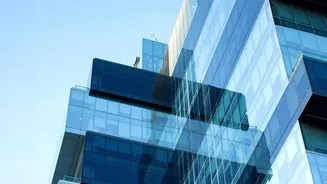
coatings, that is virtually invisible once installed. Think of it as sunglasses for your building, but far more sophisticated. These films are designed to be selective about what parts of the sun’s energy they let through your windows. The primary goal is to block the invisible parts of the spectrum that create heat while allowing the visible light we need to see to pass through. This innovation offers a way to manage your indoor climate without sacrificing natural light or your view, making it an increasingly popular upgrade for homes and offices.
The Science of Staying Cool
The sun’s energy reaches us as a combination of visible light (what we see), ultraviolet (UV) rays, and infrared (IR) rays. It’s the infrared and UV rays that are the main culprits behind heat gain and fading furniture. Smart coatings, particularly those known as 'solar control' or 'Low-E' (low-emissivity) films, are engineered to target these specific rays. They use advanced materials like ceramics or multi-layer optical films to reflect a significant portion of infrared heat away from the glass. This means the heat never even enters your apartment. Simultaneously, these films can block up to 99% of harmful UV rays, which not only protects your skin but also prevents your furniture, curtains, and flooring from fading over time. The result is a home that stays naturally cooler without becoming a dark cave.
Turning Down the Temperature
By rejecting the sun's heat-producing infrared rays, these coatings can have a dramatic impact on the indoor temperature of an apartment. In hot climates, untreated windows can act like a greenhouse, trapping heat and forcing your air conditioner to work overtime. A quality solar control film acts as a thermal shield, significantly reducing this solar heat gain. Studies and real-world applications show that these films can lower indoor temperatures by several degrees. This creates a much more comfortable living environment, especially in rooms that receive direct sunlight throughout the day. Instead of walking into a sweltering room in the afternoon, the space remains at a more stable and pleasant temperature, reducing the immediate need to blast the AC on its highest setting.
The Impact on Your Electricity Bill
A cooler apartment naturally leads to lower energy consumption. Air conditioning can account for a huge portion of a household's electricity bill, especially during India's hot summer months. By reducing the amount of heat entering your apartment, window films lessen the load on your AC unit. It doesn’t have to work as hard or run as long to maintain a cool temperature, which translates directly into energy savings. Some sources suggest that buildings can reduce cooling costs by up to 30%. While savings will vary based on factors like window size, climate, and film type, the investment can often pay for itself within a few years through reduced utility bills. For apartment dwellers, this makes it one of the most effective upgrades for long-term savings.
Choosing the Right Film
Not all films are created equal. The market includes everything from basic DIY static-cling films to professional-grade ceramic and Low-E films. For apartments, especially rentals, static cling versions can be a great non-permanent option. However, for maximum heat rejection and longevity, professionally installed solar control or Low-E films are superior. In India, the cost can range from ₹80 to over ₹300 per square foot, depending on the brand and technology. When choosing, consider the 'Visible Light Transmission' (VLT) to ensure you get enough light, and the 'Infrared Rejection' (IRR) value, as this is key for heat control. It’s wise to consult with a professional installer who can recommend the best product for your specific needs and window type.