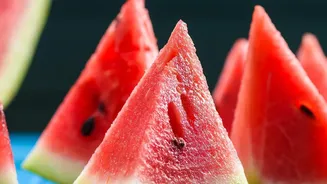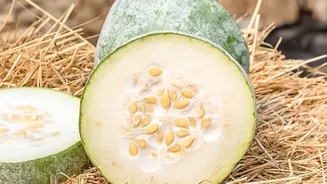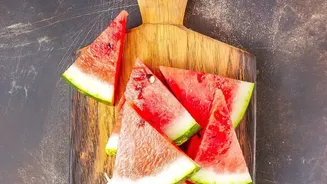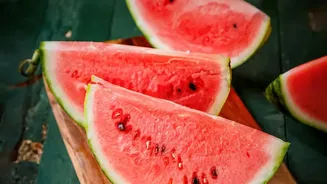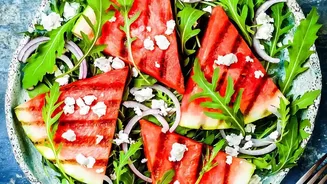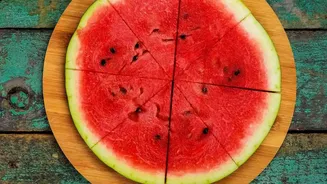




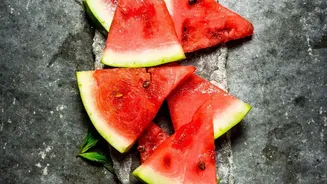

The next time you enjoy a juicy watermelon, pause before you toss the rind. That firm, white part you usually discard is a versatile, nutritious, and delicious ingredient waiting to transform your everyday meals, especially your tiffin.
From Kitchen Scrap to Culinary Star
In many Indian
households, the philosophy of using every part of a vegetable is a time-honoured tradition. From banana stems to ridge gourd peels, our ancestors knew how to turn potential waste into wholesome food. The watermelon rind, or 'tarbooz ka chhilka', fits perfectly into this sustainable mindset. While most of us are accustomed to throwing away the thick green and white peel after savouring the sweet red flesh, we are missing out on a culinary gem. This overlooked part of the fruit is not just edible but is surprisingly adaptable, ready to soak up the flavours of Indian spices and become the star of a hearty 'sabzi' or stir-fry. Embracing this practice is not just a nod to tradition but a smart, modern way to reduce food waste and discover new textures and tastes in your kitchen.
The Surprising Taste and Texture
If you've never eaten cooked watermelon rind, you might be imagining something tough or bitter. The reality is delightfully different. Once you peel away the tough, dark green outer skin, the remaining white rind has a crisp texture similar to a cucumber or jicama. When cooked, it undergoes a wonderful transformation. It becomes tender and soft, with a texture much like a summer squash or bottle gourd ('lauki'). Its flavour is very mild, which is its greatest strength. Like paneer or tofu, it acts as a brilliant canvas, readily absorbing the spices and aromatics it's cooked with. This makes it incredibly versatile for a range of Indian preparations, from tangy stir-fries to flavourful curries.
A Nutritional Powerhouse You've Been Discarding
Beyond its culinary potential, watermelon rind is packed with nutrients. It is a fantastic source of dietary fibre, which is essential for healthy digestion. But its most celebrated component is an amino acid called citrulline. The rind contains a higher concentration of citrulline than the sweet flesh. In the body, citrulline is converted to arginine, another amino acid that helps produce nitric oxide. This compound plays a crucial role in relaxing blood vessels, improving circulation, and supporting overall cardiovascular health. The rind is also a source of vitamins like A, C, and B6, as well as minerals like potassium, magnesium, and zinc, making it a valuable addition to your diet.
Crafting the Perfect Watermelon Rind Stir-Fry
Making 'tarbooz ke chhilke ki sabzi' is simple. Start by preparing the rind: use a peeler to remove the tough, dark green outer skin. Cut the remaining white part into small, bite-sized cubes. Heat some mustard oil or ghee in a pan and add your tempering of mustard seeds, cumin seeds, and perhaps a pinch of asafoetida (hing) and fenugreek seeds. Sauté some grated ginger and chopped green chillies before adding your spice powders—turmeric, red chilli powder, and coriander powder. Toss in the cubed watermelon rind and mix well to coat it with the spices. Add salt, cover the pan, and let it cook on medium heat until the rind becomes tender, which usually takes about 15-20 minutes. Some recipes call for a touch of jaggery or sugar for a hint of sweetness and amchoor (dry mango powder) or lemon juice for a tangy finish.
An Ideal Addition to the Indian Lunchbox
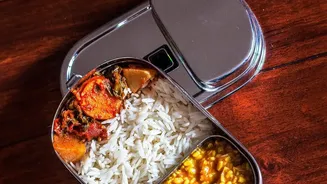
This watermelon rind stir-fry is exceptionally well-suited for tiffins and lunchboxes. Unlike some vegetable dishes that can become watery or lose their texture after a few hours, this sabzi holds up beautifully. It remains flavourful and the rind retains a pleasant, tender bite. It is a dry preparation, making it easy to pack without worrying about spills. It pairs perfectly with hot chapatis, puris, or as a side dish with dal and rice. Packing this stir-fry is a great way to ensure a nutritious, fibre-rich, and interesting meal that breaks the monotony of the usual lunchbox fare. It’s a conversation starter and a testament to how creative and resourceful home cooking can be.