


The Paths Beneath Your Feet
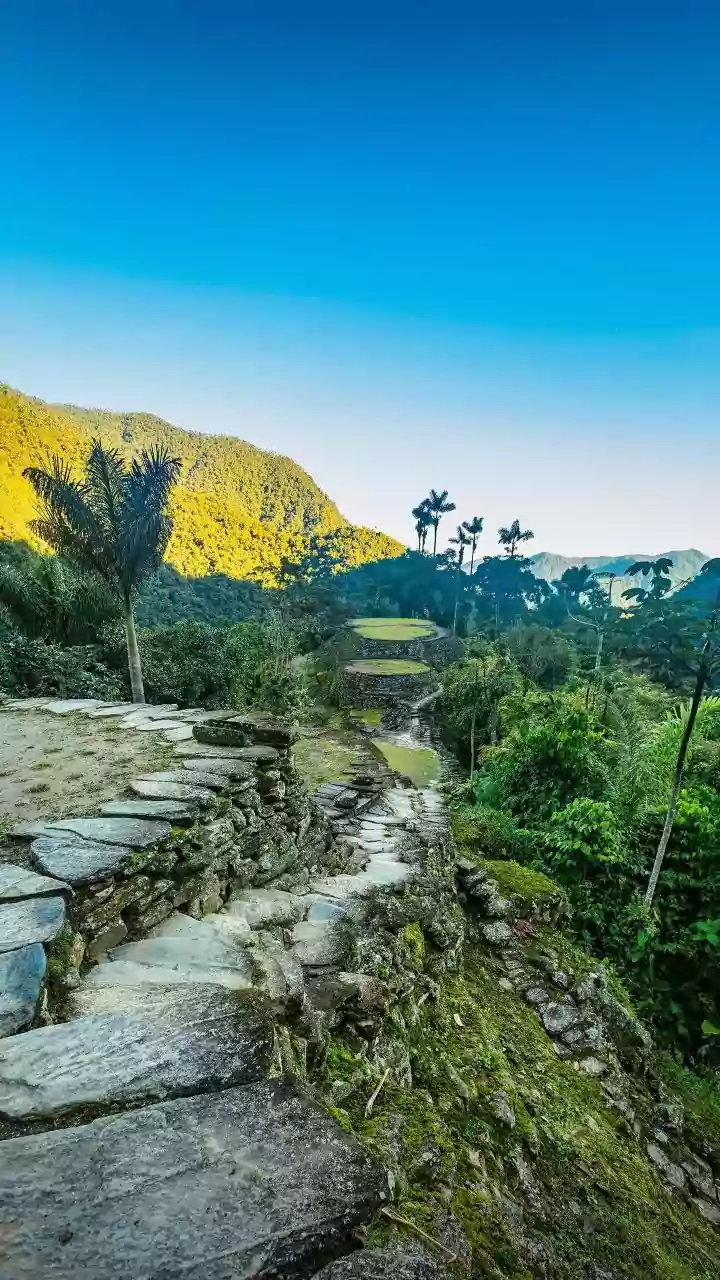
Many of Greece’s most beautiful hiking trails aren’t modern inventions. They are 'kalderimia'—old, stone-paved paths that for centuries were the main arteries connecting villages, monasteries, and farms. These routes, built for mules and foot traffic,
crisscross the mainland and islands, forming a network that predates modern roads. Walking a kalderimi is a direct connection to the past; these are the same stones that pilgrims, soldiers, and shepherds trod for generations. While some are remnants of vast Ottoman-era networks, others trace even older routes from the Byzantine or Classical periods, offering a tangible link to the country's deep history.
The Menalon Trail: History in the Peloponnese
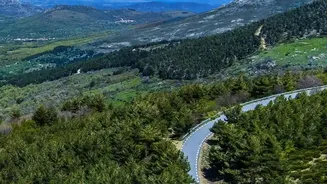
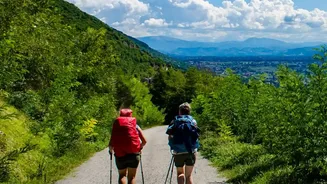
In the heart of the Peloponnese peninsula, the 75-kilometer Menalon Trail has become a prime example of Greece's historical hiking potential. As the first Greek trail to be certified by the European Ramblers Association, it guarantees a high-quality, well-marked experience. But its appeal runs deeper. The trail is a network of ancient mule tracks that connect nine traditional stone villages, winding through the dramatic Lousios Gorge, past cliff-side monasteries, and through dense fir forests. Hikers pass Byzantine ruins, old watermills once used to make gunpowder for the Greek Revolution, and monasteries that have stood for over a thousand years, making every step a lesson in history.
Island Trails Through Time
The Greek islands offer their own unique blend of history and coastal beauty. On Sifnos, a community-led project has restored a network of trails, some of which date back 3,000 years to the island's silver and gold mining heyday. The Corfu Trail, a 180-kilometer path stretching the length of the island, was created by linking together old footpaths, mule tracks, and shepherds' routes. It guides walkers through ancient olive groves, past Byzantine castles like Angelokastro, and up to the island's highest peak, Mount Pantokrator. On Crete, the famous Samaria Gorge hike follows a path through a landscape with deep historical roots; the wider Zakros Gorge is even known as the 'Gorge of the Dead' because the ancient Minoans buried their dead in caves along its cliffs.
Walking Toward the Gods
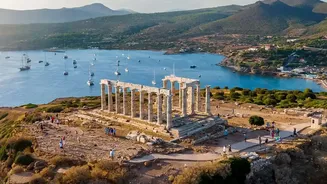
Some of the most powerful trails are those that follow ancient spiritual journeys. The path to Delphi, the most famous oracle of the ancient world, is a perfect example. Pilgrims once arrived by sea at the port of Kirra and walked the final 11 kilometers up to the sanctuary. This ancient path, now part of the E4 European long-distance trail, is still walkable today, offering stunning views over the Amfissa olive grove and the Corinthian Gulf as you ascend toward the home of the gods. The main route through the sanctuary itself, known as the Sacred Way, was the processional path all visitors followed, lined with treasuries and monuments from city-states across the Greek world.
Planning Your Historic Hike
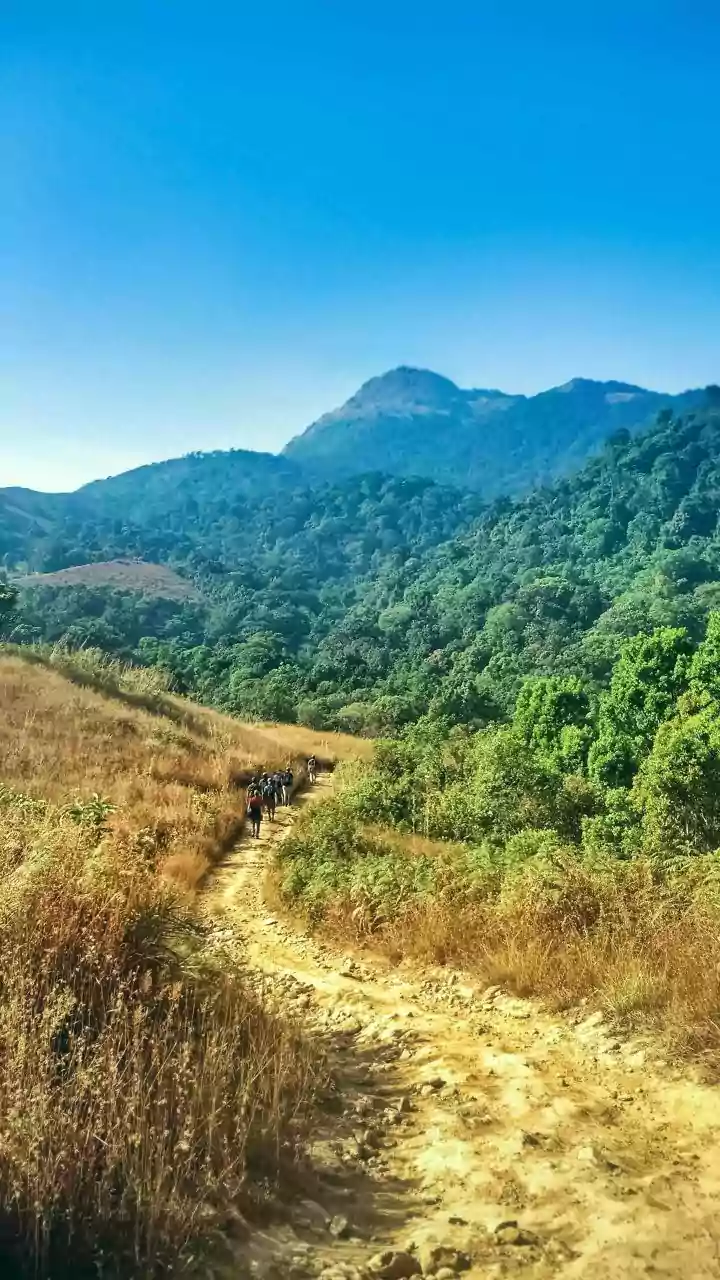
While you can hike in some parts of Greece year-round, the best seasons for walking are spring (April-June) and autumn (September-October). During these months, the weather is pleasantly warm without the intense heat of mid-summer, and the landscapes are often at their most beautiful, with wildflowers in the spring and stable, dry conditions in the fall. Many trails, especially on the mainland and in the mountains, can be challenging, so proper footwear is essential. Always carry more water than you think you'll need, especially on coastal routes with little shade. While many trails are now well-marked, a good map or GPS app is always a wise companion for your journey into the past.