





The Climate Challenge
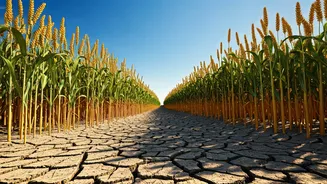
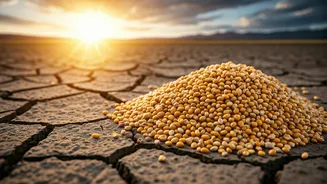
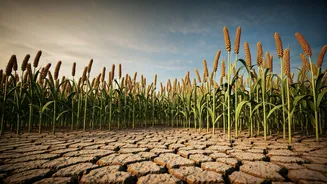
The reliability of the monsoon, the lifeblood of Indian agriculture, is changing. Recent years have seen delayed onsets, prolonged dry spells, and an overall rainfall deficit, placing immense stress on water-intensive crops like rice and wheat. With nearly
half of India's cultivated land being rain-fed, this volatility directly impacts crop yields, farmer incomes, and the nation's water security. Farmers, especially in drought-prone regions, have faced repeated crop losses, driving them to seek more stable and climate-resilient alternatives.
Enter the 'Miracle Grains'
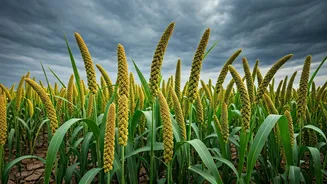
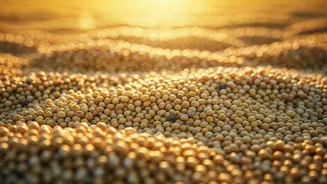
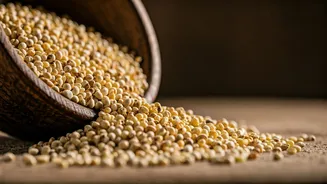
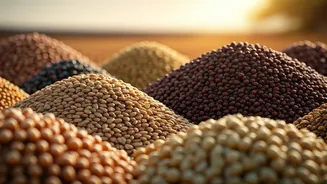
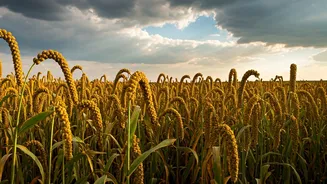
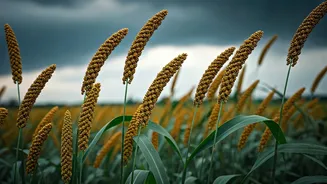
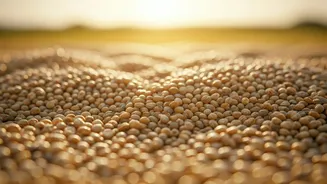
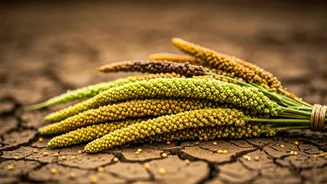
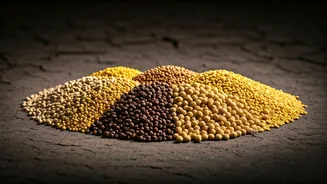
Millets, a group of ancient grains including jowar (sorghum), bajra (pearl millet), and ragi (finger millet), are emerging as a powerful answer to this crisis. Often called 'miracle grains' or 'nutri-cereals', their primary advantage is their hardiness. Millets are drought-resistant, require 70-80% less water than rice, and can thrive in arid conditions and on marginal lands where other crops fail. Their deep root systems allow them to survive dry periods, and some varieties can even rebound after a drought if watered. This resilience significantly reduces the financial risk for farmers who might otherwise invest heavily in water-dependent crops that are increasingly likely to fail.
A Push From the Top
The revival is not just happening at the grassroots level. It is being championed by a significant government push. Recognizing their potential, the Indian government spearheaded the United Nations' declaration of 2023 as the International Year of Millets. This initiative, along with rebranding millets as 'Shree Anna' (the mother of all grains), has been instrumental in raising their profile. Policies under the National Food Security Mission now support millet cultivation with incentives, high-yielding seeds, and farmer assistance. Furthermore, states are being encouraged to procure millets for the Public Distribution System (PDS) and programs like Mid-Day Meals, creating an assured market for farmers.
From Farm to Urban Plate
The resurgence is also being powered by a shift in consumer attitudes, particularly in urban areas. Growing health consciousness has drawn attention to the nutritional powerhouse that millets are. They are rich in protein, fibre, and minerals like iron and calcium, and are gluten-free, making them beneficial for managing lifestyle diseases like diabetes. This has spurred a new market for millet-based products, from flour and breakfast cereals to snacks and even millet-based beer. This rising urban demand provides a crucial economic incentive for farmers to make the switch from traditional staples.
Hurdles on the Path to Revival
Despite the positive momentum, the path to a full-scale millet revival has its challenges. For decades, agricultural policy has heavily favoured rice and wheat, leaving the millet value chain underdeveloped. Farmers still face hurdles such as a lack of suitable processing machines, limited market access, and price volatility. While awareness of the health benefits is growing, overall consumption remains relatively low, and a sustained increase in demand is necessary to make millet cultivation consistently profitable for farmers in the long term.