






More Than Just a Stroll
In the United States, we think of walking as a basic utility: getting from the car to the office, or maybe a weekend hike. In urban India, it has become something much bigger. This isn't about the necessity-driven walking of the country's urban poor.
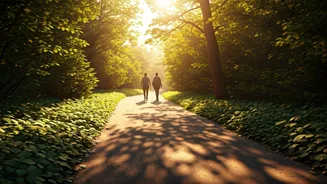
Instead, this is a deliberate, almost ritualistic activity embraced by the growing middle and upper classes. At dawn and dusk, public spaces like parks, promenades, and purpose-built walking tracks teem with people. They come in all ages, kitted out in brand-name sneakers and athletic wear, striding with a purpose that goes beyond simple transportation. They walk in organized clubs, with friends, as families, or solo with earbuds streaming podcasts. The simple act of putting one foot in front of the other has been elevated into a primary form of fitness, a social event, and a visible symbol of a modern, health-conscious lifestyle.
The Park as a Social Hub
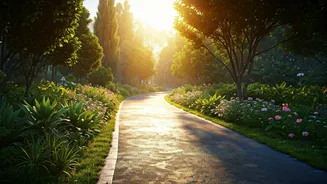
For decades, Indian cities have been largely designed around the car, creating a deficit of communal public space. The walking trend is reclaiming these spaces. Parks and green belts are no longer just for children or quiet contemplation; they are vibrant social hubs. In places like Lodi Garden in Delhi or Cubbon Park in Bengaluru, you see a cross-section of society that rarely mixes elsewhere. Business executives walk alongside retired government officials, and young tech workers stride past multi-generational families. It’s a great equalizer. The conversation flows as freely as the foot traffic, with people networking, catching up on local gossip, or simply enjoying a shared sense of community. In a society often stratified by caste and class, the walking track has become a surprisingly democratic frontier, where the only status symbol that matters is your pace.
Driven by Tech and Traffic
So, why now? Two major forces are at play: technology and traffic. The explosion of smartphones and affordable fitness wearables has gamified walking. Counting steps, closing rings, and competing with friends on apps like Strava or Apple Health provides the digital motivation that has hooked a new generation on this analog activity. It's a data-driven pursuit of wellness. The second driver is a reaction against the very thing that defines modern Indian cities: gridlock. As car ownership has soared, commutes have become soul-crushing ordeals. The sedentary lifestyle that comes with a desk job followed by hours in a car has led to a public health crisis, with rising rates of diabetes and heart disease. For many, a brisk morning or evening walk is a conscious rebellion against this inertia—a way to reclaim control over their health and sanity in cities that can often feel overwhelming.
Pavement, Pollution, and Progress
This boom in pedestrian activity isn’t without its challenges. For every manicured park, there are miles of city streets with no sidewalks, forcing walkers to compete with auto-rickshaws, motorcycles, and cars. Air pollution in major cities like Delhi can make a deep-breathing power walk a hazardous activity. Yet, the trend’s momentum is so strong that it’s beginning to influence urban policy. Dubbed "pavement politics," citizen groups and walking enthusiasts are demanding better infrastructure: wider, safer sidewalks, more pedestrian-only zones, and cleaner public parks. Municipal governments are starting to listen, investing in beautifying waterfronts and creating dedicated walking paths. This isn’t just about making walking more pleasant; it’s a fundamental rethinking of who the city is for. For the first time in a long time, the pedestrian is demanding to be seen.