








The Research We Can't Ignore
Recent scientific findings are painting a clearer picture of the powerful relationship between physical activity and sleep. A landmark study from March 2026 published in the European Journal of Preventive Cardiology highlighted that even small, combined
improvements in sleep, diet, and exercise can significantly lower the risk of major cardiovascular events like heart attacks and strokes. The study, which followed over 53,000 adults, found that the optimal combination for heart health included sleeping eight to nine hours a night and getting at least 42 minutes of moderate-to-vigorous physical activity daily. This reinforces what many have long suspected: fitness isn't just about what you do at the gym. It’s a 24-hour cycle where activity and rest are deeply intertwined. Other studies have shown that poor sleep can lead to lower physical activity the next day, creating a difficult cycle to break.
Why Exercise Alone Isn't Enough
The belief that you can 'out-exercise' a bad lifestyle is a persistent myth, and new data shows it's particularly untrue when it comes to sleep. Sleep is when the body recovers, repairs muscle, and solidifies learning. Without adequate rest, many of the benefits of a workout are diminished. Chronic sleep loss is linked to weight gain, a higher risk of diabetes, and heart disease. A study from Columbia University found that adults who cut their sleep by just 80 minutes a night for six weeks gained weight and became more inactive. While some research indicates that high-intensity exercise can help compensate for some harmful metabolic effects of sleep deprivation, this doesn't tell the whole story. It may offer a temporary buffer, but it's not a sustainable long-term solution for the cognitive and physical toll of insufficient rest.
How Quality Sleep Supercharges Fitness
Viewing sleep as a critical component of your fitness plan can transform your results. Good sleep enhances physical performance in several ways. It promotes the release of growth hormone, which is essential for muscle repair and growth. It also helps regulate hormones that control appetite and energy, making it easier to stick to a healthy diet. According to Johns Hopkins Medicine, moderate aerobic exercise increases the amount of deep, slow-wave sleep, which is crucial for rejuvenation. Furthermore, a 2025 study from the University of Texas at Austin found that exercising more frequently, even for just 10 minutes a day, was linked to better quality restorative sleep and improved mood the next day. This creates a positive feedback loop: better sleep gives you more energy to exercise, and regular exercise helps you sleep more deeply.
Finding the Right Balance for You
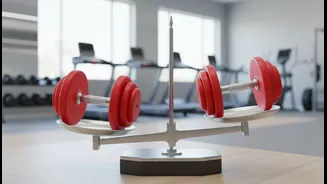
Creating a plan that honours both sleep and activity doesn't have to be complicated. The key is consistency and listening to your body. Research shows that various types of exercise can aid sleep, including aerobic activities like brisk walking, resistance training, and mind-body practices like yoga. One recent meta-analysis even pointed to Pilates as being highly effective for improving sleep quality. However, timing is important. A 2025 Monash University study warned that intense exercise within four hours of bedtime could delay sleep onset and reduce sleep quality. If you must work out in the evening, opt for lower-intensity activities. The goal is to find a routine that energises you during the day and helps you wind down at night, not one that leaves you too wired to rest.