


Why Altitude Is Your Ally
The magic of high-altitude stargazing isn't just about being closer to the stars; it's about what you leave below. At heights of 3,000 metres and above, you are positioned above a significant portion of the Earth's atmosphere. This has a dramatic effect
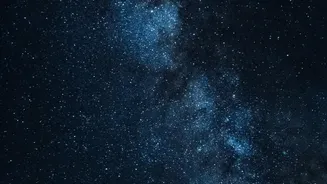
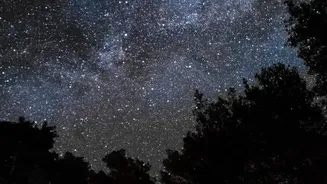
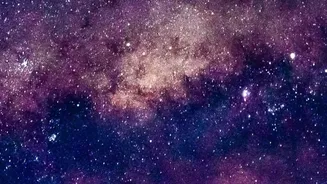
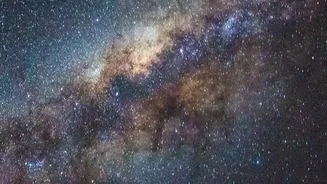
on what you can see. The air is thinner, drier, and more stable, which means less atmospheric turbulence to distort the starlight. This stability, known as 'good seeing' by astronomers, results in sharper, clearer images of celestial objects. Furthermore, high, arid regions have less water vapour, which can absorb light, particularly in the infrared spectrum. Combined with the near-total absence of man-made light pollution in these remote areas, the result is a profoundly dark sky where the cosmos reveals itself in astonishing detail.
The Winter Sky's Dazzling Display
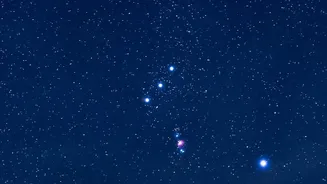
Winter is widely considered the prize season for stargazing in India. The long, cold nights are often accompanied by exceptionally clear skies, washed clean of dust by the preceding monsoon. This period, from November to February, brings some of the most brilliant constellations into view for observers in the Northern Hemisphere. The undisputed star of the show is Orion, the Hunter, easily identifiable by the three bright stars forming his belt. Following the belt stars down and to the left leads you to Sirius in Canis Major, the brightest star in our night sky. Following the belt up and to the right points towards the reddish star Aldebaran in Taurus the Bull. Nearby, the beautiful Pleiades star cluster, also known as the Seven Sisters or 'Krittika' in India, sparkles like a tiny, brilliant dipper. These prominent constellations make the winter sky a rich and rewarding sight for beginners and seasoned astronomers alike.
Hanle: India's Crown Jewel
When it comes to pristine night skies, Hanle in Ladakh is in a class of its own. In 2022, a 22-kilometre radius around the village was designated as India's first official Dark Sky Reserve, a move to protect the area from light pollution and promote astro-tourism. Situated at a breathtaking altitude of 4,500 metres in the Changthang Wildlife Sanctuary, Hanle is home to the Indian Astronomical Observatory, one of the highest optical telescopes in the world. The conditions here are among the best in Asia, with dry, clear air for most of the year. While winter travel to Hanle is challenging due to extreme cold and potential road closures, the reward is an unbelievably clear view of the cosmos. Travellers must acclimatise in Leh for a few days before making the journey and secure an Inner Line Permit due to the area's proximity to the border.
Spiti Valley: A Cold Desert's Canvas
Another haven for stargazers is Spiti Valley in Himachal Pradesh, a high-altitude cold desert renowned for its stark beauty and ancient monasteries. With an average elevation of 12,500 feet, Spiti boasts Bortle Class 1 skies, the darkest possible rating. Remote villages like Langza, Komic, and Kibber are particularly famous for their stargazing potential, sitting far from any significant light pollution. While the main tourist season is from May to October, the deep winter months offer the driest air and best contrast, though travel is significantly more difficult. The road from Manali is closed in winter, so access is only possible via the year-round route from Shimla, weather permitting. For those prepared for the harsh conditions, a winter trip to Spiti can offer a truly solitary and profound connection with the night sky.
Planning Your Celestial Escape
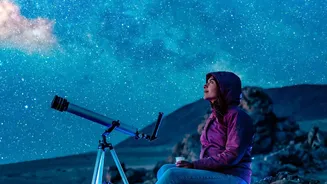
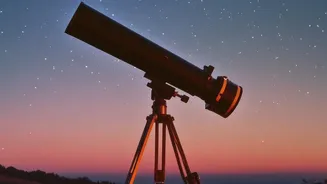
A successful stargazing trip to the high Himalayas requires careful planning. The most crucial factor is timing: plan your visit around the new moon phase to avoid moonlight washing out the fainter stars. Acclimatisation is non-negotiable; spend several days at a lower altitude like Leh or Manali before ascending further. Pack extreme winter clothing in multiple layers, including insulated jackets, thermal wear, gloves, and hats, as night temperatures will plummet far below freezing. While the naked eye is enough to be awestruck, a pair of binoculars can dramatically enhance your view, revealing details in the Orion Nebula or the many stars of the Pleiades. Most importantly, especially in winter, travel with experienced local guides who understand the road conditions and safety requirements of these remote and challenging, yet deeply rewarding, landscapes.