



Paddling with a Purpose
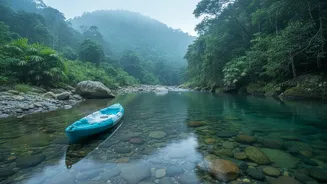
Imagine gliding across water so transparent it feels like you’re floating on air. This is the experience on rivers like the Umngot, where the riverbed is clearly visible below. For years, Meghalaya has been a bucket-list destination for adventure seekers
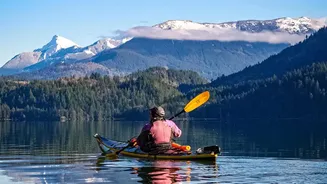
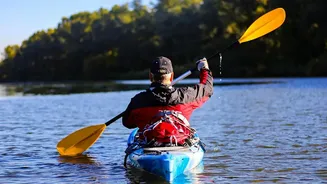
and nature lovers, drawn by its living root bridges, lush landscapes, and pristine waterways. But a new wave of tourism is taking hold, one that asks travellers to be more than just spectators. It invites them to become part of the solution. Eco-conscious tours are now offering a dual experience: the adrenaline rush of navigating stunning riverways by kayak, combined with the meaningful work of helping to keep them clean.
The Unseen Threat to Paradise
Despite its reputation for natural beauty, Meghalaya faces a paradox. While blessed with abundant rainfall, the state confronts significant challenges in water management, including pollution and the degradation of river ecosystems. The very rivers that are the lifeblood for local communities and a major tourist draw are under threat from plastic waste and other pollutants. In some areas, the problem became so significant that local authorities, facing resource constraints, had to turn to the community for help in preserving these vital natural assets. This challenge has sparked a powerful response from the ground up, highlighting a growing environmental consciousness across the state.
A Community's Answer to Conservation
Across Meghalaya, a spirit of community-led conservation is flourishing. From the banks of the Umshait River in Ri Bhoi district to the famous Umngot near Dawki, local residents, youth clubs, and social organisations are taking ownership of their environment. These are not isolated incidents but part of a broader movement. For instance, citizen-led clean-up drives have seen residents gather in large numbers to manually remove waste, restoring the natural beauty of their rivers. This grassroots engagement is a core part of Khasi and Jaintia traditions, which have long protected sacred groves and natural resources. Today, this ethos is being channelled into modern conservation, with groups like the Jaiñtia Fishing and Environmental Protection Association working for decades to protect rivers from pollution and illegal activities.
Adventure Meets Activism on the Water
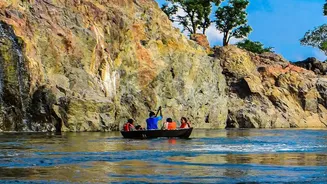
This is where adventure tourism finds its higher purpose. Tour operators and community cooperatives are structuring experiences that blend recreation with responsibility. A typical day might involve kayaking through breathtaking gorges in Shnongpdeng, followed by participating in a scheduled river cleaning session alongside local volunteers. These initiatives are often run by local cooperatives, ensuring that profits from tourism are funnelled directly back into village development and conservation projects. For the traveller, it transforms a simple holiday into a deeply immersive experience. It's a chance to connect not only with nature but also with the people who call it home, learning firsthand about their efforts to preserve their heritage. This model allows visitors to leave a positive footprint, contributing directly to the sustainability of the destination they are enjoying.
The Ripple Effect of Conscious Travel
The government of Meghalaya is actively supporting this shift towards sustainable and eco-adventure tourism. Through schemes that provide subsidies for equipment and support for community-based groups, the state is fostering an environment where these initiatives can thrive. This model is proving that environmental conservation and economic opportunity can go hand in hand. By placing communities at the heart of tourism and conservation, Meghalaya is creating a resilient and sustainable development path. The success of these eco-conscious kayaking tours demonstrates a powerful new direction for travel—one where the thrill of adventure is matched by the reward of making a tangible, positive difference.