


Embrace an 'Ingredient-First' Mindset
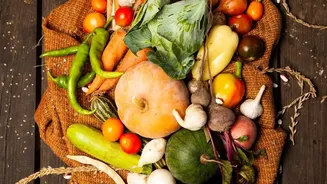
The secret to smarter cooking is shifting from a recipe-first to an ingredient-first approach. Instead of picking distinct recipes with unique shopping lists, start by looking at what you already have or what’s fresh and on sale. Plan your week's meals
around a few core components that can be used in multiple ways. This method, often called 'ingredient overlap', tightens your grocery list, reduces food waste, and makes shopping faster. The goal is to give every ingredient you buy multiple jobs throughout the week.
Choose Your 'Anchor' Ingredients
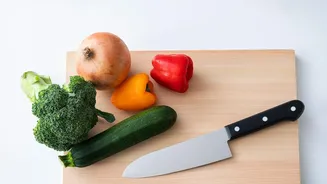
Start your weekly plan by choosing one or two versatile proteins and a few hardy vegetables to act as 'anchors'. For example, a whole roasted chicken can be the star of a Sunday dinner. The next day, the leftover meat can be shredded for tacos or stir-fries. Later in the week, the carcass can be simmered into a flavourful stock for soup. Similarly, a large batch of roasted vegetables like bell peppers, onions, and potatoes can serve as a side dish one night, fill out a frittata the next morning, and be tossed with pasta later in the week. Thinking this way turns leftovers into pre-prepped ingredients, not just old meals to be reheated.
Try 'Component Cooking' for Flexibility
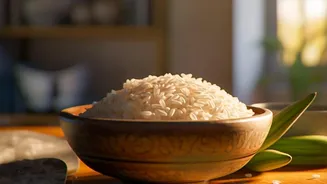
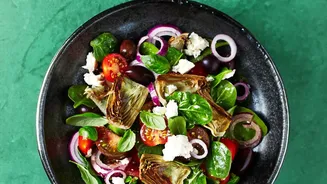
Instead of cooking entire meals in advance, consider prepping individual components. Spend a bit of time on Sunday preparing a big batch of a whole grain like quinoa or brown rice, roasting a tray of mixed vegetables, cooking a protein like grilled chicken or baked tofu, and maybe whipping up a versatile sauce or dressing. Storing these cooked components in separate containers in your fridge allows you to assemble different meals in minutes all week long. You can create grain bowls, salads, wraps, and stir-fries by simply mixing and matching, which prevents the boredom of eating the same pre-portioned meal every day.
Master the Art of Transformation
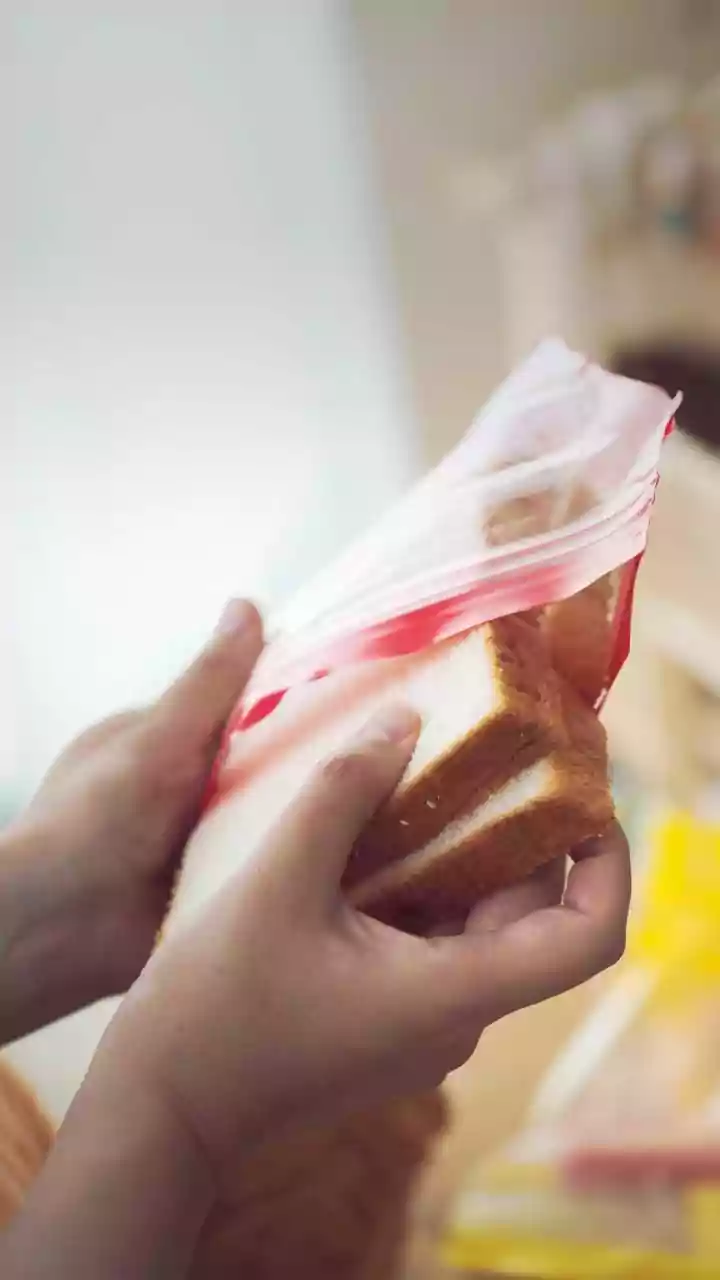
The key to avoiding meal repetition is to transform ingredients so they feel new each time. Sauces, spices, and fresh herbs are your best friends in this endeavour. That leftover shredded chicken feels completely different when seasoned with taco spices versus when it’s mixed into a creamy pasta sauce. Leftover rice, which can be clumpy when fresh, is perfect for making fried rice a day or two later. Stale bread can be turned into crunchy croutons or a rich bread pudding, and slightly soft fruit is ideal for blending into smoothies or simmering into a compote for yoghurt.
Get Organised with Smart Storage
Proper storage is crucial for extending the life of your ingredients and leftovers. Use clear, airtight containers so you can easily see what you have, which prevents items from getting lost in the back of the fridge. Make it a habit to label and date everything you store, especially items you put in the freezer. Keeping a running 'use-it-up' list on your fridge or a notepad can also be a game-changer. Whenever you notice an ingredient that needs to be eaten soon, add it to the list. This simple note-taking system ensures that good food gets used instead of wasted.