




A Paradise Under Pressure
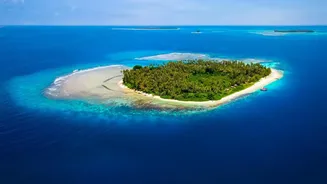
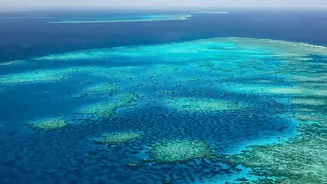
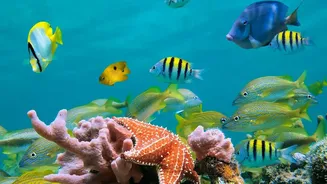
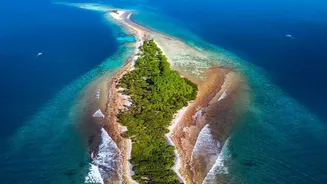
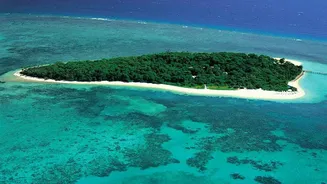
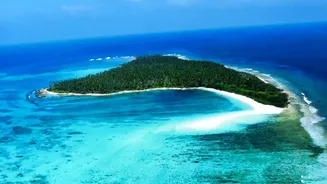
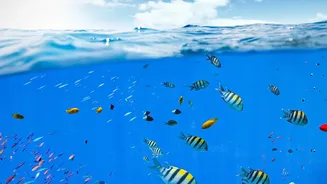
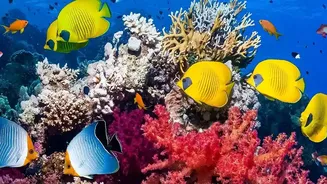
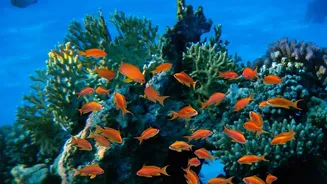
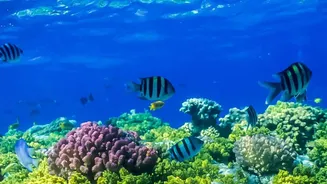
The Lakshadweep archipelago is a chain of 36 coral atolls in the Arabian Sea, renowned for some of India's most stunning marine biodiversity. These islands are built on ancient coral reef structures that act as natural barriers, protecting the shorelines
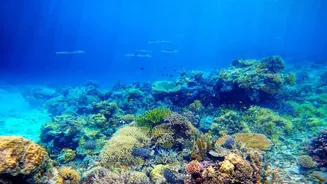
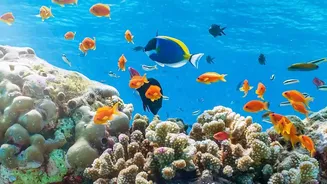
from erosion and supporting about 25% of all marine life. However, this vibrant underwater world is under significant threat. Globally, rising sea temperatures are causing catastrophic coral bleaching events, and Lakshadweep has not been immune. Long-term studies have shown a concerning decline in coral cover over the past two decades, largely linked to marine heatwaves. Unchecked tourism, over-exploitation of resources, and pollution further compound these climate-related pressures, risking the very beauty that draws visitors in the first place.
The Regulatory Shield
Recognising the delicate balance required, the Lakshadweep administration has implemented a framework of regulations designed for high-value, low-impact tourism. A cornerstone of this strategy is controlling visitor numbers. Access to the islands requires a permit, a process that, while recently simplified for Indian tourists, still ensures that tourism remains within the islands' carrying capacity. This policy of managed access helps prevent the kind of over-tourism that has damaged ecosystems elsewhere. Furthermore, there's a complete ban on single-use plastics, a move that drastically reduces marine litter and protects lagoons. New infrastructure projects, including eco-resorts, must adhere to strict environmental guidelines, focusing on renewable energy like solar power, rainwater harvesting, and robust waste management systems to minimize their footprint.
From Policy to Coral Protection
These regulations translate directly into tangible benefits for the coral reefs. Limiting tourist footfall reduces physical damage to corals from inexperienced divers and boat anchors. Strict waste management and a ban on plastics prevent pollution that can smother reefs and harm marine life. By promoting specific forms of recreation like guided and supervised snorkeling and scuba diving, authorities ensure that visitors interact with the marine environment responsibly. Tourists are educated upon arrival about the fragility of the ecosystem and the importance of conservation, including a strict ban on picking or damaging corals. This focus on education is a key part of the strategy, aiming to turn visitors into advocates for marine conservation. The administration also supports community-based ecotourism, involving locals in conservation efforts and ensuring they benefit from tourism revenue.
The Responsible Tourist's Role
While regulations provide the framework, the success of Lakshadweep's model also hinges on the visitors themselves. Responsible vacationers are not just welcome; they are essential partners in this conservation effort. Before visiting, travellers should familiarise themselves with the islands' guidelines. This includes packing reef-safe sunscreen, which lacks chemicals harmful to corals, and carrying reusable water bottles to comply with the plastic ban. Opting for eco-friendly accommodations and participating in educational tours run by trained local guides helps support the sustainable economy. By following rules for water sports and respecting the pristine environment, every tourist plays a direct role in preserving the natural beauty of the islands for future generations, ensuring their visit has a positive, rather than a negative, impact.