
What Is Cat-Cow?
Cat-Cow isn't a single pose, but a dynamic sequence flowing between two: Marjaryasana (Cat Pose) and Bitilasana (Cow Pose). Practiced on your hands and knees, this combination involves rhythmically moving your spine from a rounded position to an arched
one. It’s a foundational warm-up in many yoga classes because it gently awakens the body, connects movement to breath, and introduces the core concepts of spinal mobility without demanding extreme flexibility or strength. Think of it as a simple, effective way to check in with your body, especially your back, neck, and shoulders.
Understanding Flexion and Extension
The headline mentions 'spinal flexion and extension', which might sound technical, but the concepts are simple. Spinal flexion is the forward bending or rounding of the spine. During the 'Cat' part of the pose, you exhale, tuck your chin to your chest, and press your mid-back towards the ceiling, just like a cat arching its back. Spinal extension is the opposite, a gentle backbend. On an inhale, you move into 'Cow' by dropping your belly, lifting your chest and tailbone, and looking forward. This movement creates a dip or 'hammock' shape with your back. This cycle of flexion and extension moves your vertebrae through their full range of motion, which is key for maintaining a healthy, supple spine.
A Step-by-Step Guide
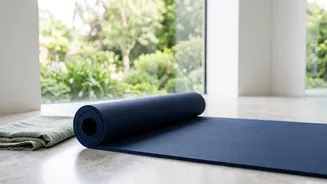
Ready to try it? It's as simple as it sounds. Start on a yoga mat or soft surface. Come onto all fours in a 'tabletop' position, with your wrists directly under your shoulders and your knees directly under your hips. Your back should be flat and your core gently engaged. Inhale as you drop your belly towards the mat, lift your chin and chest, and gaze forward into Cow Pose. As you exhale, round your spine toward the ceiling, tuck your chin into your chest, and release your head toward the floor into Cat Pose. The key is to link your breath to the movement: inhale for Cow, exhale for Cat. Continue flowing smoothly between the two poses for 5-10 rounds, or about one minute.
The Core Benefits of the Pose
This simple flow packs a surprising number of benefits. The primary advantage is improved spinal flexibility and mobility, which helps relieve back pain and stiffness, especially from long hours of sitting. The movement also gently stretches the muscles of the back, neck, hips, and abdomen. By syncing breath with movement, Cat-Cow helps calm the mind, reduce stress, and improve focus. It also stimulates the abdominal organs, which can aid digestion, and boosts blood circulation throughout the body. It's an excellent way to warm up the entire body before a more vigorous yoga practice or workout.
Common Mistakes to Avoid
To get the most out of Cat-Cow, focus on mindful movement rather than speed. A common mistake is rushing through the poses without connecting to the breath. Another is craning the neck too far back in Cow Pose, which can cause strain; instead, keep the back of your neck long. Also, avoid letting your shoulders sink up towards your ears. Actively press the floor away to keep your shoulders broad and stable. In the starting tabletop position, ensure your wrists are truly under your shoulders and knees are under your hips to create a stable foundation. Your movements should be controlled, originating from your spine, not just from your head and neck.
Modifications for Every Body
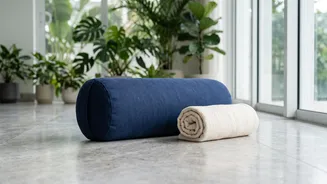
Yoga is about adapting poses to your body, not forcing your body into a pose. If you have sensitive knees, place a folded blanket or towel underneath them for extra cushioning. For wrist pain, you can come down onto your forearms instead of your hands, or make fists and rest on your knuckles. If getting on the floor is difficult, you can do a seated version of Cat-Cow in a chair. Sit on the edge of the chair with your feet flat on the floor, place your hands on your knees, and move through the same spinal flexion and extension. The benefits of the spinal movement can be achieved no matter which variation you choose.