


The Air Fryer Advantage for Paneer Tikka
Paneer tikka, with its smoky, charred edges and soft interior, is a vegetarian delight. Traditionally, it's either cooked in a tandoor or pan-fried with a considerable amount of oil or butter. This is where the modern kitchen's hero, the air fryer, comes
in. By using an air fryer, you can achieve that same beloved texture with minimal oil, drastically cutting down on fat and calories. The appliance works by circulating superheated air around the food, creating a crispy exterior while keeping the inside tender. A single serving of restaurant-style paneer tikka can be heavy, but an air-fried version using just a teaspoon of oil can save you a significant number of calories. Studies show that air frying can reduce the fat content in foods by up to 80% compared to deep frying, making it a clear winner for health-conscious foodies.
How to Make Healthier Paneer Tikka
Creating this healthier version at home is surprisingly simple. Start by preparing a marinade with thick yogurt (dahi), ginger-garlic paste, and classic spices like turmeric, garam masala, and red chilli powder. Cut firm paneer into one-inch cubes and gently coat them in the marinade, letting them rest for at least 20-30 minutes to absorb the flavours. Preheat your air fryer to around 200°C. Arrange the marinated paneer cubes in a single layer in the air fryer basket, ensuring they don't overlap. A light spray or brush of oil is all you need. Air fry for about 10-15 minutes, flipping them halfway through, until they have those beautiful charred spots. Serve hot with a squeeze of lemon and a side of fresh mint chutney for a snack that's both satisfying and smart.
Giving Bhel a Millet Makeover
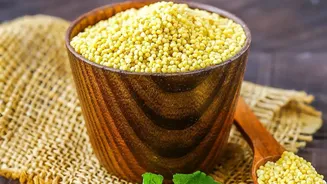
Bhel puri is the ultimate crunchy, tangy, and spicy snack. Its foundation is typically puffed rice, a simple carbohydrate. A simple yet effective hack is to swap out some or all of the puffed rice with puffed millets, such as those made from jowar (sorghum), bajra (pearl millet), or ragi (finger millet). Millets are ancient grains that are making a huge comeback for their impressive nutritional profile. They are naturally gluten-free, high in dietary fibre, and a good source of plant-based protein and essential minerals like magnesium and iron. This swap does more than just add nutrients; it also changes how your body processes the snack. The high fibre content in millets aids digestion and helps you feel full for longer, preventing overeating. Millets also have a lower glycemic index compared to refined carbohydrates, which helps maintain stable blood sugar levels.
Assembling Your Millet Bhel
To make millet bhel, start with a base of mixed puffed millets. To this, add the classic bhel ingredients: finely chopped onions, tomatoes, boiled potatoes, and fresh coriander. For extra crunch and nutrition, consider adding roasted peanuts or sprouts. The magic of bhel lies in its chutneys, so don't skip the tangy tamarind and spicy green chutneys. Toss everything together with a generous sprinkle of chaat masala and a squeeze of lime juice. You get the same explosion of flavours and textures that you love in traditional bhel, but with a significantly healthier and more-filling base. It's a perfect example of how a small change in a core ingredient can transform the nutritional value of a dish without compromising its soul.