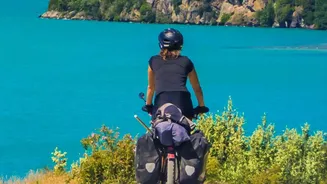




A Rebellion Against Routine
For a generation that grew up in a world of structured schedules, academic pressure, and constant digital connectivity, spontaneity is the ultimate form of rebellion. Unplanned travel offers a powerful antidote to the burnout and monotony of daily routines.
Rather than a single, long annual holiday, many young travellers in India and abroad now prefer multiple short trips throughout the year. Research shows that Gen Z travellers often book their trips less than 12 weeks before departure, a stark contrast to older generations who plan up to five months ahead. This shift is driven by a desire to escape, reset mentally, and create memories that feel authentic and personal, not performed for an audience. It's less about a perfectly curated itinerary and more about the freedom to discover things along the way.
The Digital Safety Net
If previous generations feared the uncertainty of unplanned travel, Gen Z has a powerful safety net: technology. The entire travel experience now fits in their pocket. With smartphones, they can find and book flights, secure last-minute accommodation on apps, navigate unfamiliar cities with digital maps, and translate languages in real-time. This digital fluency has dramatically lowered the barrier to spontaneity, making it feel less risky and more accessible. Technology doesn't just enable last-minute decisions; it actively encourages them through flash sales and personalised deals pushed directly to their devices. For this digital-native generation, travel is something that can be arranged in minutes, not weeks, collapsing the traditional gap between planning and departure.
Social Media's 'Book It Now' Effect
While older generations relied on guidebooks and travel agents, Gen Z's primary source of travel inspiration is social media. Platforms like Instagram and TikTok have become visual wish lists, where a 30-second video of a hidden waterfall or a unique cafe can spark an immediate desire to go. This constant stream of visually appealing, user-generated content creates a powerful sense of urgency and possibility. Seeing peers and relatable influencers embark on adventures makes them feel attainable. In fact, some studies show that a significant portion of Gen Z travellers book trips inspired directly by what they see online. This isn’t about just copying viral trends; it’s about social media acting as a dynamic, real-time guidebook that opens their eyes to destinations they might not have considered before.
Economic Sense and Flexibility
Spontaneity is not just a mindset; for many, it’s a financially savvy strategy. Gen Z is highly budget-conscious, often juggling studies, early-career salaries, and a high cost of living. Last-minute deals on flights and hotels are a key driver for unplanned trips, allowing them to travel more often on a tight budget. Many are willing to trade luxury for experience, opting for hostels or budget stays to make their money go further. Furthermore, the rise of flexible work arrangements and remote opportunities, particularly post-pandemic, has untethered many young professionals from the traditional 9-to-5 desk job. This newfound flexibility allows them to take advantage of off-season prices and travel when destinations are less crowded, leading to more authentic and affordable experiences.
The Quest for Authentic Experiences
Ultimately, the move toward spontaneity is part of a larger quest for authenticity. This generation is often more interested in personal growth and creating meaningful stories than ticking off a checklist of famous landmarks. They are travelling to feel alive, not just to get a good photo. This is reflected in a growing interest in solo travel, which allows for maximum freedom and self-discovery. In India, a recent report highlighted that 95% of Gen Z travellers want their trips to feel personal and unique, not pre-planned. They deliberately leave their itineraries open to make room for the unexpected, whether it's a conversation with a local, a detour to a village not on the map, or simply the chance to do nothing at all.