





Fabric First: Your Shield Against Humidity
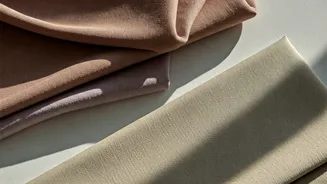
The secret to staying fresh during the monsoon lies in your choice of fabric. The goal is to wear materials that are breathable and dry quickly. Lightweight cotton is a trusted choice, but ensure it's a fine weave; heavy cotton can absorb moisture and become
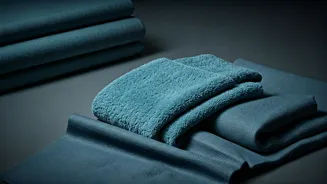
cumbersome. Better still are fabrics like rayon, modal, lyocell, and crepe, which are known for their ability to dry fast and not cling to the body when damp. These materials allow air to circulate, preventing that sticky, uncomfortable feeling common in high humidity. On the other hand, it's wise to avoid heavy denim, pure silk, and velvet, as they take a long time to dry and can develop a musty odour.
Embrace Shorter, Smarter Silhouettes
Practicality is key when it comes to monsoon silhouettes. Long, flowing garments and floor-grazing trousers are best avoided to prevent them from getting soaked and dragging through mud. Instead, opt for shorter hemlines. Culottes, capris, cropped trousers, and midi-length dresses or skirts are your best friends. Not only do they keep your clothes away from puddles and splashes, but they also allow for better air circulation around your legs. For ethnic wear, consider shorter kurtis paired with straight-cut pants or leggings instead of long Anarkalis or cumbersome dupattas. Loose-fitting clothes are generally better than tight ones as they don't stick to the skin in the humidity.
Strategic Colour and Print Choices
While light colours are great for summer, the monsoon calls for a slightly different approach. White and other pale shades can easily become translucent when wet and are unforgiving with mud stains. Darker colours like navy, black, and deep greens are more practical as they effectively hide splashes. However, gloomy days can be brightened with a pop of colour, so don't shy away from vibrant hues like fuchsia, turquoise, and yellow, which can uplift your mood. Prints are also a fantastic choice for the season. Busy patterns, especially on a darker base, are excellent at camouflaging any water spots or stains you might pick up along the way.
Footwear That Weathers the Storm
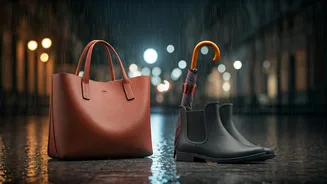
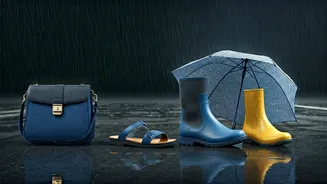
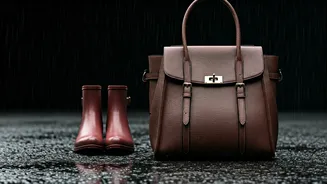
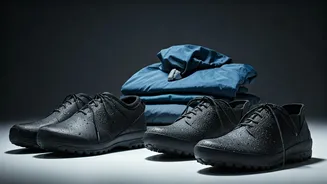
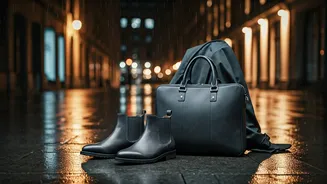
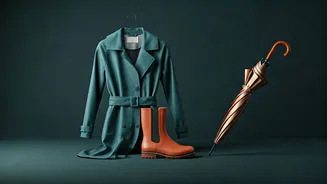
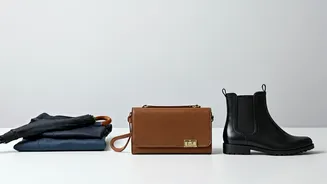
The wrong footwear can ruin your day during the monsoon. Leather, suede, and canvas shoes are a definite no, as they absorb water, get damaged, and can lead to fungal infections. Your best options are waterproof and quick-drying materials like rubber, PVC, and EVA. Look for sandals, floaters, jelly flats, or rubberised slip-ons that have good grip to prevent slipping on wet surfaces. These styles are not only practical and easy to clean but are now available in countless trendy designs, ensuring you don't have to sacrifice style for safety and comfort. Investing in a good pair of anti-slip monsoon shoes is a sensible decision for navigating waterlogged streets.
The Art of Post-Wear Care
Keeping your clothes fresh goes beyond just wearing the right things; it's also about how you care for them. Never leave damp or wet clothes in a pile. Wash them as soon as possible to prevent mildew and musty smells from developing. When drying clothes indoors, ensure there's good air circulation. Place your drying rack near a window or use a fan to speed up the process. Make sure garments are spaced out and not overlapping. For clothes that are in the wardrobe, place moisture absorbers like silica gel packs or camphor balls to combat the ambient humidity. Finally, ensure clothes are completely bone-dry before you fold and store them away. A quick pass with a hot iron can eliminate any lingering dampness.