



Why August is Saturn's Time to Shine
Throughout August, Saturn is on a journey towards a major astronomical event known as opposition. While the official opposition occurs on October 4, 2026, the weeks leading up to it are a fantastic time for viewing. Opposition is when Earth passes directly
between the Sun and an outer planet, in this case, Saturn. Think of it as a celestial alignment that puts Saturn in the spotlight. From our perspective on Earth, this means the planet is fully illuminated by the sun, making it appear significantly brighter and larger than at other times of the year. This annual event makes late summer and early autumn the prime season for Saturn-spotting. During August, Saturn will be rising earlier each night, making it more convenient to observe.
When and Where to Look
Finding Saturn this August is simpler than you might think. The planet will be visible for most of the night, rising in the eastern sky in the evening. Early in the month, you may need to wait until around 11 p.m. for it to clear the horizon, but by the end of August, it will be visible as early as 9 p.m. Saturn will then travel across the sky, reaching its highest point around midnight before setting in the west as the sun rises. To locate it, look towards the constellation Pisces. Don't worry if you don't know your constellations; Pisces is a relatively dim area of the sky, which makes the bright, steady light of Saturn stand out even more. On August 30th and 31st, the Moon will be close to Saturn, acting as a convenient signpost to guide your eyes.
How to Identify the Ringed Planet
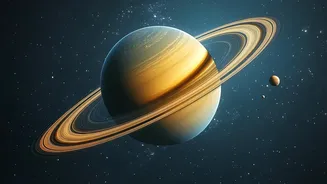
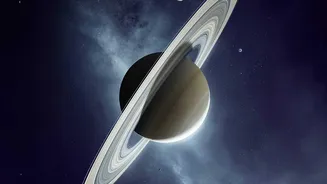
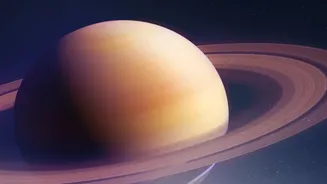
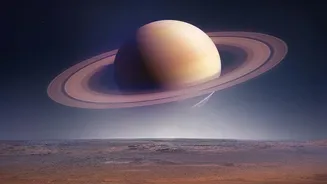
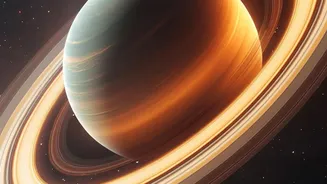
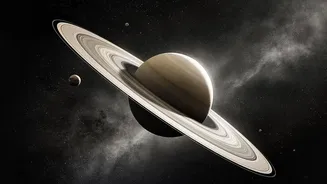
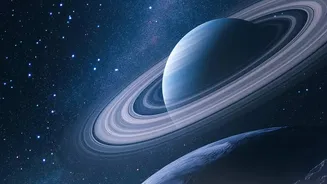
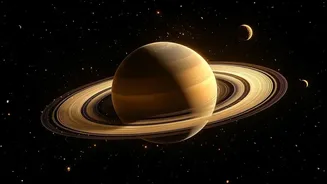
So, how do you distinguish Saturn from the countless stars twinkling above? The key is its light. Planets like Saturn shine with a steady, unwavering light, unlike stars, which appear to twinkle. This is because planets are much closer to us, so their light is less distorted by Earth's atmosphere. Look for a moderately bright, yellowish point of light that holds its glow. While you can easily see Saturn with your naked eye, even a basic pair of binoculars held steady may reveal that the 'star' is not perfectly round but slightly elongated—a hint of its famous rings. A small telescope, even a beginner's 60mm or 70mm model, will transform that elongated dot into a breathtaking view, clearly separating the rings from the planet's disk. The rings are currently tilted at a favourable angle for viewing, making 2026 a great year for a first look.
Tips for the Best Viewing Experience
To make the most of your stargazing session, a little preparation goes a long way. First, try to get away from bright city lights. Find a park or a dark spot with a clear view of the eastern horizon. Give your eyes about 15-20 minutes to fully adapt to the darkness; this will dramatically increase the number of celestial objects you can see. While you don't need any special equipment to see Saturn itself, a stargazing app on your phone can be a great help in navigating the constellations and confirming you've found your target. Finally, be patient and comfortable. Bring a chair, a blanket, and maybe a warm drink. The universe has been putting on this show for billions of years, and taking a quiet moment to watch it unfold is a reward in itself.