





Baahubali: The Film That Started It All
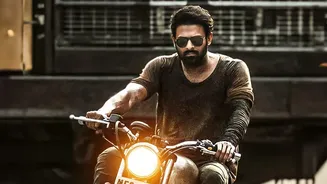
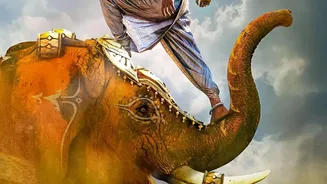
Before S.S. Rajamouli's epic fantasy, the idea of a non-Hindi film dominating the entire country was a fantasy in itself. Released in 2015, Baahubali: The Beginning and its 2017 sequel, The Conclusion, changed everything. Made on a colossal budget, the films
combined Indian mythology with jaw-dropping visual effects and universal emotional themes. The story of a lost prince reclaiming his kingdom was simple, but its execution was revolutionary. By marketing it as a true pan-Indian event and dubbing it meticulously in Hindi and other languages, the makers proved that audiences would flock to a compelling story, regardless of its origin. Baahubali 2 became the highest-grossing Indian film of all time, establishing the commercial viability of the pan-Indian model and paving the way for everything that followed.
K.G.F: A New Gritty Aesthetic
If Baahubali was about grand fantasy, the K.G.F (Kolar Gold Fields) franchise from the Kannada industry was a darker, grittier beast. When Chapter 1 arrived in 2018, it was an underdog. Yet, its hyper-stylized action, slick editing, and the raw charisma of its star, Yash, as the ambitious anti-hero Rocky, created a sensation. Director Prashanth Neel crafted a unique visual language that felt fresh and modern. The story of a man's violent rise from poverty to power, rooted in a classic 'angry young man' archetype, resonated deeply across the country. Its sequel, K.G.F: Chapter 2, became one of the highest-grossing Indian films ever, proving that a film from the relatively smaller Kannada industry could set nationwide box office records and that style could be as important as scale.
Pushpa: The Power of 'Mass' Appeal
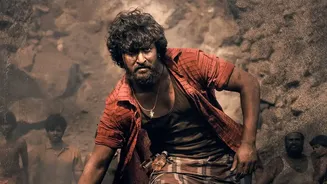
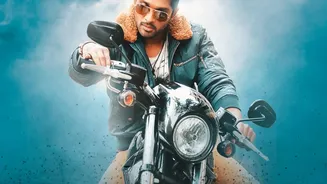
Allu Arjun was a superstar in the Telugu states, but with 2021's Pushpa: The Rise, he became a national phenomenon. The film's success, especially in the Hindi belt, was unexpected. It wasn't built on mythological grandeur but on the swagger of its lead character, a coolie-turned-sandalwood smuggler. Pushpa's catchy, chart-busting music and Allu Arjun's iconic mannerisms—the tilted shoulder, the hand gesture—went viral, becoming part of pop culture. The film demonstrated that a strong 'mass' hero with a powerful connect to the grassroots, combined with viral music and memorable dialogue, could be just as effective at crossing linguistic barriers as a massive VFX budget. It proved the formula wasn't just about spectacle, but also about attitude.
RRR: Taking the Pan-Indian Model Global
After creating the pan-Indian template with Baahubali, director S.S. Rajamouli returned in 2022 to perfect it with RRR. Starring two of Telugu cinema's biggest stars, Jr. NTR and Ram Charan, this fictional tale of two real-life revolutionaries was a maximalist action extravaganza. It had breathtaking set pieces, a powerful emotional core of brotherhood, and patriotic fervor. But RRR did something more; it broke out of India and became a global sensation. The film earned critical acclaim in the West, culminating in a historic Oscar win for Best Original Song for the electrifying track "Naatu Naatu". This achievement transformed the pan-Indian film from a national success story into a global cultural export, showing that Indian storytelling could captivate audiences worldwide.