







The New Anti-Burnout Ritual
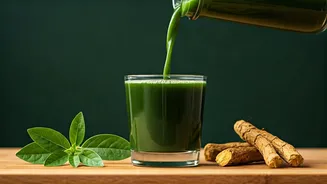
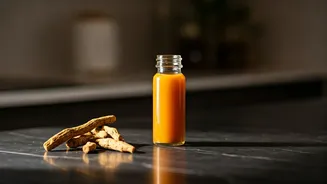
Before the first Zoom meeting or the morning commute, a new ritual is taking hold in the kitchens of many American millennials and Gen Zers. Instead of heading straight for the espresso machine, they’re reaching for a small, earthy-tasting shot of a wellness
elixir. The star ingredient? Ashwagandha. This trend isn't just about health; it's a direct response to a culture of burnout. Faced with relentless work demands, economic uncertainty, and the lingering stress of a post-pandemic world, many young professionals are seeking proactive ways to manage their mental and physical well-being. The wellness shot, marketed as a quick and natural fix for stress, offers a sense of control—a small, daily act of self-care in a world that often feels overwhelming.
So, What Is Ashwagandha?
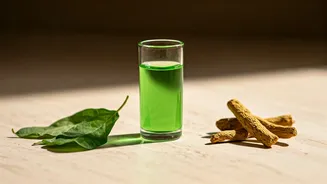
Ashwagandha (Withania somnifera) is not a new invention. It’s a small, evergreen shrub native to India, the Middle East, and parts of Africa, and it’s one of the most important herbs in Ayurveda, the traditional system of medicine in India. Its name comes from the Sanskrit for “smell of the horse,” which refers to both its unique scent and the belief that consuming it could impart the strength and vitality of a stallion. For thousands of years, practitioners have used its roots and berries to treat a wide variety of ailments. In the modern wellness market, it’s been rebranded and packaged for a new audience, moving from ancient tradition to a convenient, pre-portioned shot you can grab at the grocery store.
The Allure of the 'Adaptogen'
You can’t discuss ashwagandha without hearing the word “adaptogen.” This is the key to its modern appeal. An adaptogen is a term for certain herbs and mushrooms thought to help the body resist, or “adapt” to, physical, chemical, and biological stressors. The theory is that instead of targeting a specific symptom, adaptogens work holistically to help stabilize your body’s processes and promote balance. For someone feeling pulled in a million directions, the promise of a substance that can help you simply *cope better* is incredibly compelling. Ashwagandha is perhaps the most famous adaptogen, marketed as a tool to help regulate cortisol, the body’s primary stress hormone. The narrative is simple and powerful: feeling stressed? An adaptogen can help your body handle it.
Does It Actually Work?
Here’s where things get complicated. While ashwagandha has been used for centuries, high-quality scientific evidence in humans is still emerging. Some small-scale studies have shown promising results. For example, a few clinical trials have suggested that ashwagandha supplements can significantly reduce cortisol levels and self-reported feelings of stress and anxiety compared to a placebo. However, many of these studies are small and short-term. Health authorities like the National Center for Complementary and Integrative Health (NCCIH) note that while some evidence is positive, larger and more rigorous studies are needed to confirm these benefits and understand the herb’s long-term effects. The enthusiasm you see on social media and in marketing materials has sprinted far ahead of the slow, methodical pace of scientific validation.
What to Know Before You Sip
If you’re curious, it’s important to proceed with caution. First, the supplement industry in the U.S. is largely unregulated by the Food and Drug Administration (FDA). This means the purity, potency, and safety of a product aren't guaranteed. One bottle’s shot might be vastly different from another’s. Second, ashwagandha isn't without potential side effects, which can include stomach upset, diarrhea, and drowsiness. More importantly, it can interact with medications for thyroid conditions, blood sugar, and blood pressure, and it’s not recommended for people who are pregnant or breastfeeding. The bottom line: a wellness shot is not a substitute for medical advice. Before making it a part of your daily routine, it's wise to speak with a doctor to ensure it’s a safe choice for you.