






Your Body’s Calcium Bank Account
Think of your bones as a bank account for calcium. About 99% of your body's calcium is stored there, providing structure and strength. The remaining 1% circulates in your blood to help with vital functions like muscle contraction, blood clotting, and maintaining
a normal heartbeat. Every day, you lose calcium through your skin, nails, hair, and sweat. Since your body can't produce its own calcium, it relies on your diet to replenish these losses. If your daily intake is low, your body makes a withdrawal from your bone bank to keep blood levels stable. An occasional deposit from a calcium-rich meal is helpful, but it's the steady, daily deposits that prevent this account from becoming overdrawn and keep your bones strong over the long term.
Why 'Catch-Up' Calcium Doesn't Work
The body is smart, but it has its limits. It can only absorb so much calcium at one time; absorption is best when intake is spread throughout the day. Consuming a huge amount of calcium in one go after days of neglect doesn't fully compensate for the shortfall. Much of that excess calcium may not even be absorbed. Consistent daily intake ensures that your blood calcium levels remain stable without constantly needing to borrow from your bones. This prevents the gradual weakening of your bone structure that can lead to low bone density and osteoporosis. The goal is to keep bone production and maintenance in a healthy balance, a process that relies on a dependable daily supply of this essential mineral.
Building a Routine with Indian Dairy
For many in India, dairy is the most straightforward and accessible source of calcium. Incorporating a few servings into your daily meals can easily help you meet your requirements. For most adults, the Indian Council of Medical Research (ICMR) recommends around 600-1000mg of calcium per day, though this can be higher for adolescents and pregnant or lactating women. A single glass of milk contains around 240mg of calcium. A bowl of homemade dahi (curd) provides about 200mg, and 100g of paneer also offers a similar amount. Simple habits like starting your day with a glass of milk or lassi, having a bowl of raita with lunch, and using paneer in a sabzi a few times a week create a powerful and consistent calcium foundation.
Powerful Plant-Based Calcium Sources
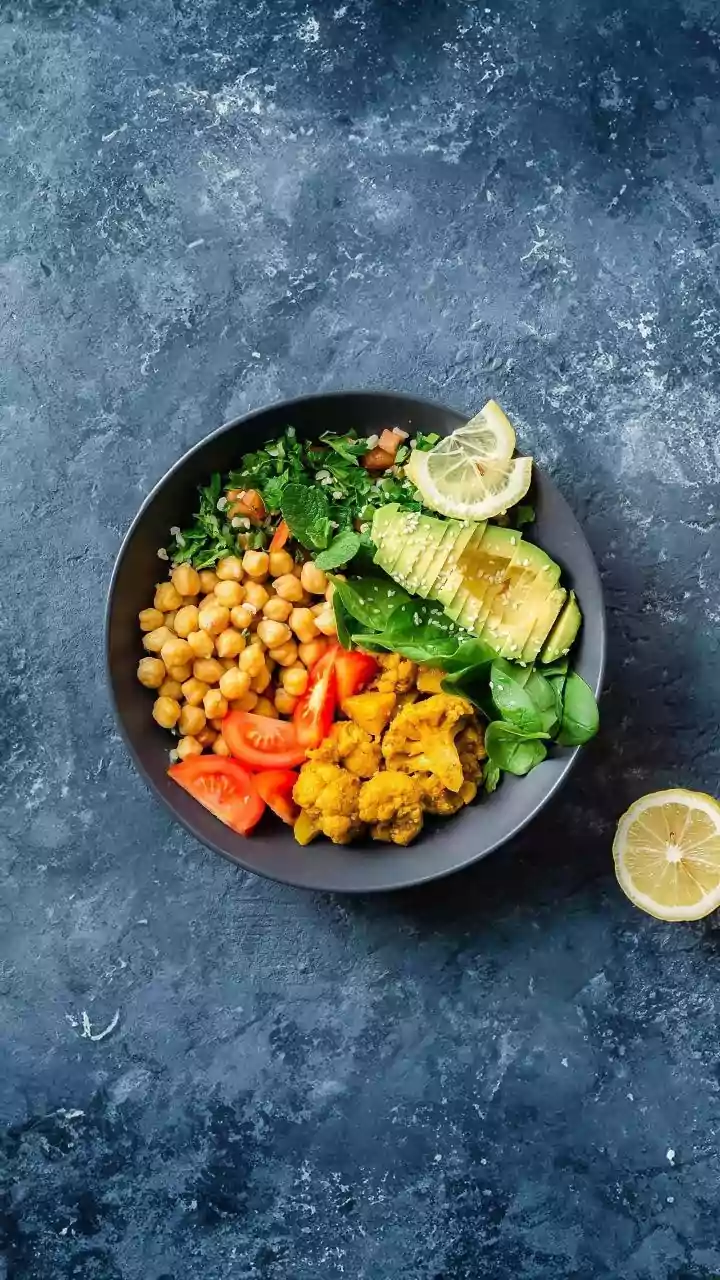
You don't need dairy to build a calcium-rich routine. The Indian kitchen is full of excellent plant-based options. Ragi (finger millet) is a superstar, offering a remarkable 344mg of calcium per 100g—more than milk. Starting your day with ragi porridge or incorporating ragi flour into rotis and dosas is a fantastic strategy. Sesame seeds (til) are another powerhouse; just one tablespoon contains nearly 100mg of calcium. You can sprinkle them on salads, add them to tadkas, or enjoy them in laddoos. Leafy greens like drumstick leaves (moringa), amaranth (chaulai), and fenugreek (methi) are also exceptionally high in calcium. Other great sources include chickpeas (chana), almonds (badam), and calcium-set tofu.
Maximise Your Intake: The Role of Vitamin D
Consuming calcium-rich foods is only half the battle; your body needs help to absorb it effectively. Vitamin D is the most crucial partner in this process. Without enough Vitamin D, your body simply cannot absorb the calcium you eat. The best source is sensible sun exposure—about 20-30 minutes on your arms and face a few times a week is often sufficient. Dietary sources of Vitamin D include egg yolks, fatty fish, and foods fortified with the vitamin, like some brands of milk and soy milk. Additionally, certain compounds in food can hinder calcium absorption. For example, oxalates found in spinach and phytates in uncooked legumes can bind to calcium. Fermenting foods (like in idli or dosa batter) and sprouting legumes can help reduce these compounds and improve mineral absorption.