






More Than Just a Quick Glance
In an era of increasingly extreme and unpredictable weather, a quick look at a sunny or rainy icon on your phone is no longer enough. August in India is a complex month, typically falling in the middle of the monsoon season. This means you need to look beyond
simple temperature forecasts. Pay attention to humidity levels, which can make a pleasant 30°C feel much hotter, and check the 'real feel' temperature. Also, consider air quality, especially in urban areas or regions prone to environmental changes. Long-range forecasts can be speculative, so it’s wise to start monitoring the weather patterns for your destination about a week before you leave and continue to check for daily updates during your trip.
Decoding India’s August Weather
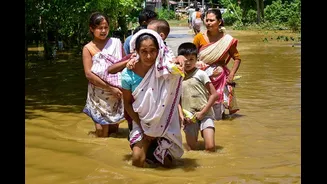
August is peak monsoon season for much of India, but this doesn't mean non-stop rain everywhere. The country’s diverse geography creates a mosaic of microclimates. The west coast, including Goa and Kerala, and the northeast typically experience heavy rainfall, making landscapes incredibly lush but also posing risks of travel disruptions. In contrast, the northern plains, including Delhi and Rajasthan, see rainfall but it can be sporadic. Then there are rain-shadow regions, like parts of Tamil Nadu and high-altitude areas like Ladakh, which remain relatively dry and are popular travel destinations this month. Understanding these regional nuances is key to choosing your destination and managing expectations. A trip to the mountains might offer a cool respite from the heat, but also comes with the risk of landslides during heavy downpours.
Your Digital Weather Toolkit
Harness technology to stay ahead of the weather. Instead of relying on a single default app, build a small toolkit of reliable sources. Start with the official India Meteorological Department (IMD) website or app for authoritative forecasts and warnings. Augment this with a good commercial weather app known for its detailed radar maps and minute-by-minute precipitation forecasts. Apps like AccuWeather or The Weather Channel are popular choices for their user-friendly interfaces and global coverage. For outdoor enthusiasts, an app like Windy provides detailed information on wind, waves, and other specific conditions. Look for features like real-time alerts, which can notify you of impending heavy rain or storms, allowing you to adjust your plans on the fly.
Packing for Every Possibility
The key to packing for an August trip is versatility. Think in layers and focus on fabric. Synthetic, quick-drying materials are your best friends during the monsoon, as cotton can take a long time to dry and feel clammy. A lightweight, packable waterproof jacket and a sturdy umbrella are non-negotiable. For footwear, choose waterproof options with a good grip to handle slippery surfaces; avoid flip-flops for anything more than a quick stroll. It's also essential to waterproof your belongings. Use waterproof backpacks or covers, and keep electronics, documents, and cash in smaller dry bags or zip-lock pouches. If you're heading to a hot and humid destination, pack light-coloured, loose-fitting clothing made from breathable fabrics like linen to stay cool.
Weather-Proofing Your Itinerary
A smart traveler hopes for the best but plans for the worst. When booking, look for flexible or refundable options for flights and accommodation, especially in areas prone to weather disruptions. Buffer days in your itinerary can be a lifesaver if a flight is cancelled or a road is blocked. For each day of your trip, have a backup plan. If your beach day gets rained out, what is the best indoor activity nearby? If a heatwave makes afternoon sightseeing unbearable, plan for early morning excursions and use the hottest part of the day for a siesta or a swim. By building flexibility into your schedule, you can adapt to whatever the weather throws at you without letting it ruin your holiday.