




Beyond the All-in-One Rover
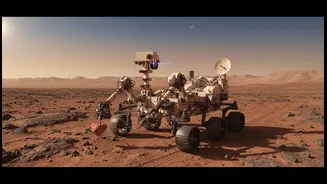
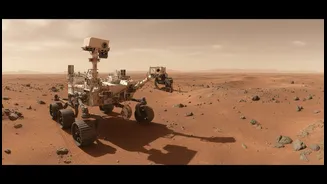
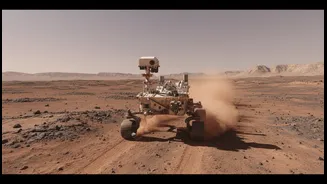
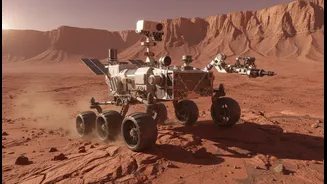
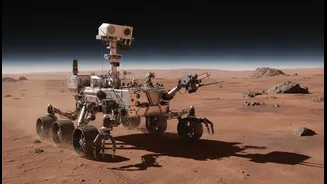
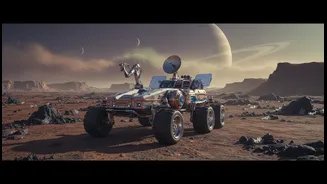
NASA’s rovers, from Sojourner to Perseverance, have been remarkable multi-tools. They are geological laboratories on wheels, capable of driving, drilling, and analysing samples. This jack-of-all-trades approach has yielded incredible discoveries, confirming
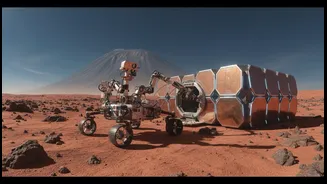
Mars once had water and environments that could have been habitable. However, this all-in-one design comes with inherent limitations. A single, large rover is incredibly expensive and high-risk. Furthermore, its design is a compromise; it cannot be optimised for every environment. It cannot fly over impassable canyons, rappel into deep craters, or squeeze into the tight confines of a lava tube, all of which are now seen as scientifically crucial locations.
A New Philosophy: The Robotic Team
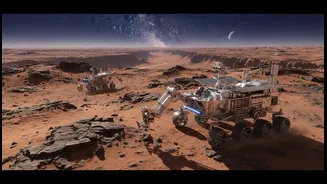
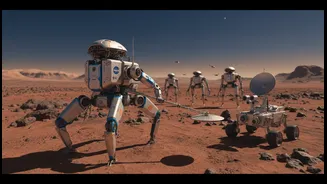
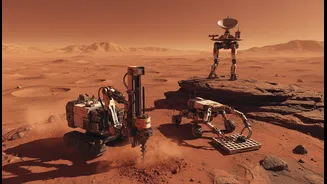
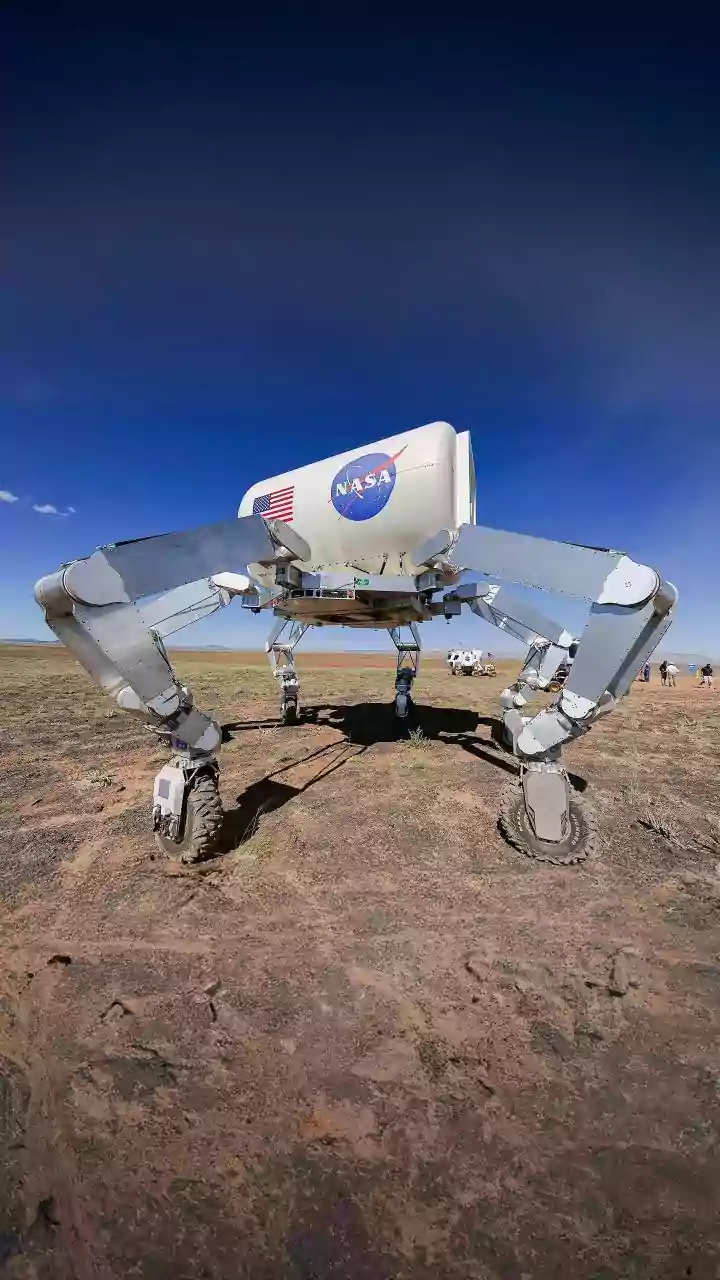
The future of Mars exploration is beginning to look less like a solo mission and more like a team sport. Instead of one large, complex machine, space agencies are increasingly developing concepts for a fleet of smaller, more focused robots designed to work together. Just recently, in July 2026, NASA awarded contracts to seven companies under its STRIDE initiative to develop next-generation robotic mobility systems for Mars. The goal is to create platforms that can access challenging terrain previously out of reach. This approach allows for redundancy—if one small robot fails, the mission can continue—and enables exploration of diverse and extreme environments simultaneously.
Meet the Specialists: Flyers, Climbers, and Crawlers
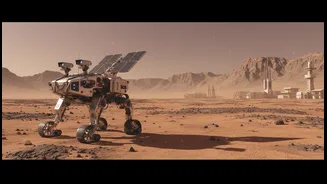
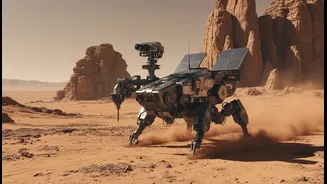
Several types of specialised robots are already in development or being conceptualised. Following the stunning success of the Ingenuity helicopter, which completed 72 flights, NASA is developing successors. One concept, the Mars Chopper, would be a much larger, SUV-sized hexacopter capable of carrying up to 11 pounds of scientific instruments over long distances, independent of a rover. Another concept, SkyFall, involves a pair of helicopters that can communicate directly with orbiters. For exploring subterranean worlds like lava tubes—which could offer protection from radiation for future human explorers—engineers are designing robots like ReachBot and others tested in volcanic caves. These teams of robots can cooperatively map entrances, lower a scout into the cave, and generate 3D maps of the interior. Other concepts include nimble, four-legged jumping robots like ESA's Olympus, and advanced rovers like ERNEST, which uses AI and active suspension to navigate extreme slopes autonomously.
The Mars Sample Return Precedent
This multi-robot strategy is already being put into practice. The ambitious Mars Sample Return campaign, a joint effort by NASA and the European Space Agency (ESA), was redesigned to rely on a team. Originally, a dedicated ESA "fetch rover" was planned to collect the sample tubes left by Perseverance. However, the plan was updated; Perseverance itself will now act as the primary delivery vehicle. As a backup, the mission will include two new small helicopters. These helicopters will be equipped with wheels to traverse short distances on the ground and a robotic arm to pick up sample tubes if needed, showcasing a novel hybrid of aerial and ground mobility. This change streamlines the mission and demonstrates a clear shift towards using multiple, varied robotic assets to ensure mission success.