








Not Your Grandfather’s Yoga
The first step in yoga’s modern revival was a complete image overhaul. For decades, the practice was often associated with a certain austerity—early mornings, rigid discipline, and a spiritual path disconnected from worldly concerns. For a young, ambitious
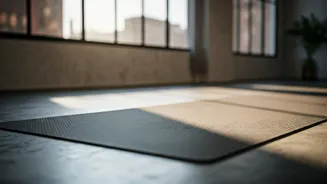
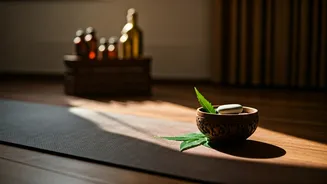
generation, this felt inaccessible. Today’s yoga is different. It has been brilliantly repackaged for a contemporary audience. Boutique studios in Mumbai, Bengaluru, and Delhi present yoga in settings that look more like stylish wellness clubs than traditional ashrams. The practice is often set to curated playlists, promoted with sleek branding, and framed not just as a spiritual pursuit but as a holistic form of fitness. This modern aesthetic makes it feel less like a duty and more like an aspirational lifestyle choice.
An Antidote to Modern Hustle
Perhaps the most significant driver of yoga’s popularity is its power as a tool to manage stress. Young India is navigating a high-pressure landscape defined by a demanding startup culture, intense corporate competition, and the ‘always-on’ expectation of a digital world. Burnout is no longer a distant threat; it’s a daily reality for many. Yoga, especially its focus on pranayama (breathwork) and mindfulness, offers a practical and effective solution. Unlike a high-intensity workout that can sometimes feel like another form of stress, yoga encourages a slower, more deliberate pace. It provides a structured time to disconnect from screens, quiet the mental chatter, and regulate the nervous system. For a generation that values pragmatic solutions, yoga isn't an escape but a strategic tool for building mental resilience and sustaining high performance.
Wellness That's Made for the 'Gram
It’s impossible to ignore the role of social media in yoga’s ascent. The practice is inherently visual, making it perfect content for platforms like Instagram. Influencers showcasing impressive asanas against stunning backdrops have made yoga look cool, athletic, and desirable. But the digital influence goes deeper than just aesthetics. The rise of wellness apps and online platforms like cult.fit has completely democratized access. You no longer need to find a niche studio or a seasoned guru to begin. High-quality instruction is available on your phone, 24/7. This digital-native approach aligns perfectly with how millennials and Gen Z engage with services—they want convenience, flexibility, and on-demand access. The online ecosystem has successfully lowered the barrier to entry, making it easy for anyone to start with a simple guided flow in their living room.
A Quest for Authentic Connection
In a world saturated with fleeting digital trends and curated online personas, many young people are searching for something more authentic and grounding. Yoga meets this need by facilitating a deeper connection with oneself. The practice encourages you to listen to your body, honour its limits, and focus on internal sensations rather than external validation. This inward focus is a powerful counter-narrative to the constant pressure to perform and project a perfect image online. It aligns with a broader generational shift towards prioritising mental health and genuine self-awareness. While a gym session might be about changing your body, a yoga session is often about understanding it. This search for authenticity also extends to culture, with many young Indians finding pride in connecting with a practice that is an integral part of their heritage, albeit in a modern form.
Finding Your Tribe, Not Just a Workout
The modern yoga studio has evolved into a 'third place'—a space for community and connection outside of home and work. In fast-paced urban environments, it can be challenging to build meaningful social connections. Yoga classes offer a unique opportunity to do so. They are social gatherings built around a shared interest in well-being, attracting like-minded individuals who are often navigating similar life pressures. These studios foster a sense of belonging and community, transforming a solo wellness activity into a shared social ritual. For many, attending a weekly class is as much about seeing familiar faces and feeling part of a supportive group as it is about perfecting their downward-facing dog. It's a healthy social outlet that combines self-care with community building.