




The End of the Dessert Dilemma
The modern Indian consumer is more health-conscious than ever, yet the love for 'meetha' remains deeply ingrained in our culture. This has created a classic conflict: satisfy your sweet tooth or stick to your fitness goals? For a long time, the answer
was to compromise. Desserts were a 'cheat meal,' a guilty pleasure enjoyed sparingly. But that narrative is changing fast. A growing category of protein-enhanced desserts is emerging, promising the satisfaction of a rich treat with the benefits of added protein. This trend is driven by a simple but powerful idea: pleasure and performance can coexist. Consumers are no longer willing to accept that dessert has to work against their health goals, creating a demand for smarter, more functional sweets.
What's on the Pro-ssert Menu?
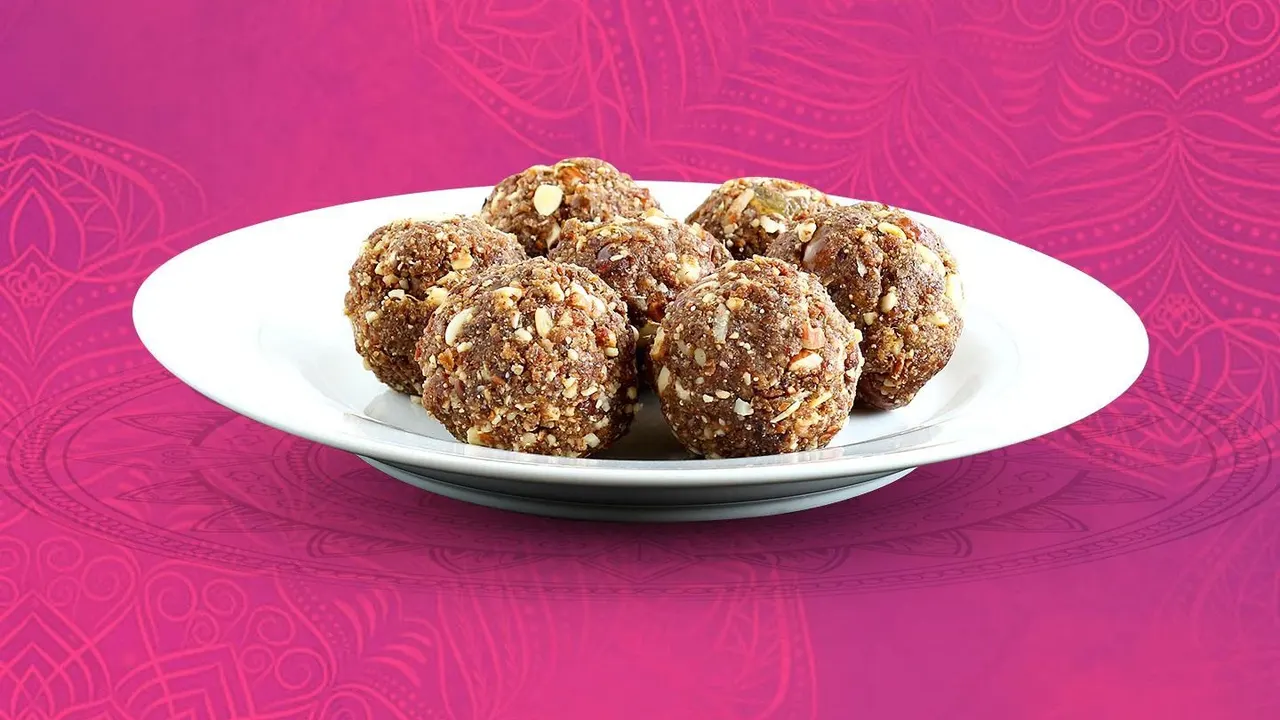
This new category is exploding with variety. In urban centres like Mumbai, Delhi, and Bangalore, you can now find everything from protein ice cream to sugar-free kulfi. These products are formulated with added whey or plant-based proteins and often use natural, low-calorie sweeteners instead of refined sugar. The result is a dessert that offers the sensory experience of a traditional treat but with a much friendlier nutritional profile. A typical protein ice cream might pack 10-15 grams of protein per serving, compared to just a couple in regular ice cream. The trend isn't just limited to Western-style desserts. Even traditional Indian sweets are getting a healthy makeover. Mithai made with besan (gram flour), paneer, and nuts, such as Besan Laddoo, Ras Malai, and certain barfis, are naturally higher in protein. Brands are now actively marketing these qualities, appealing to consumers who want authentic flavours without the guilt.
The Science of Healthy Indulgence
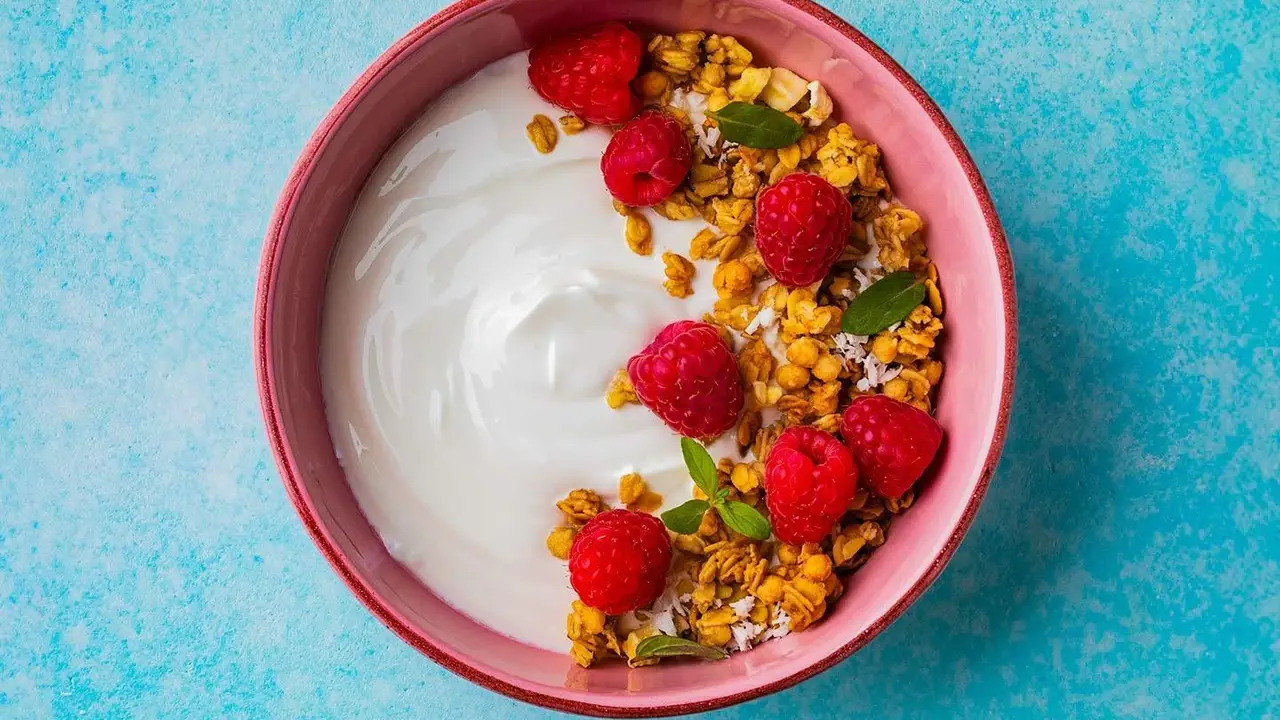
Creating a dessert that's high in protein and low in sugar without tasting like a compromise is a feat of food science. The primary challenge is texture. Adding too much protein powder can make a product dry, chalky, or dense. Manufacturers use clever techniques to maintain a desirable mouthfeel, such as incorporating naturally creamy ingredients like Greek yoghurt, cottage cheese, or even fruit purees like avocado and banana. To replace sugar, they turn to natural sweeteners like stevia, monk fruit, and erythritol, which provide sweetness without the calories or blood sugar spike. The choice of protein is also key. Whey and casein are popular dairy-based options, while pea, soy, and rice proteins cater to the growing vegan market. The goal is to create a balanced product that not only tastes good but also provides tangible nutritional benefits.
Are They Actually a Healthier Choice?
The short answer is: it depends, but often, yes. Adding protein to a dessert makes it more satiating, meaning it keeps you feeling full for longer and can help prevent overeating or subsequent snacking. Protein also helps stabilize blood sugar levels, avoiding the sharp spike and subsequent crash associated with high-sugar treats. However, dietitians caution that 'high protein' doesn't automatically mean 'healthy'. It's crucial to read the entire nutrition label. A protein cookie might have 15 grams of protein, but if it's also loaded with 25 grams of added sugar and saturated fat, its nutritional advantage is questionable. A truly healthier option will be balanced, with significant protein, high fibre, and low added sugar. Look for products made with whole-food ingredients like nuts, seeds, and dairy, rather than just isolated proteins and fillers.
The Rise of the DIY Protein Treat
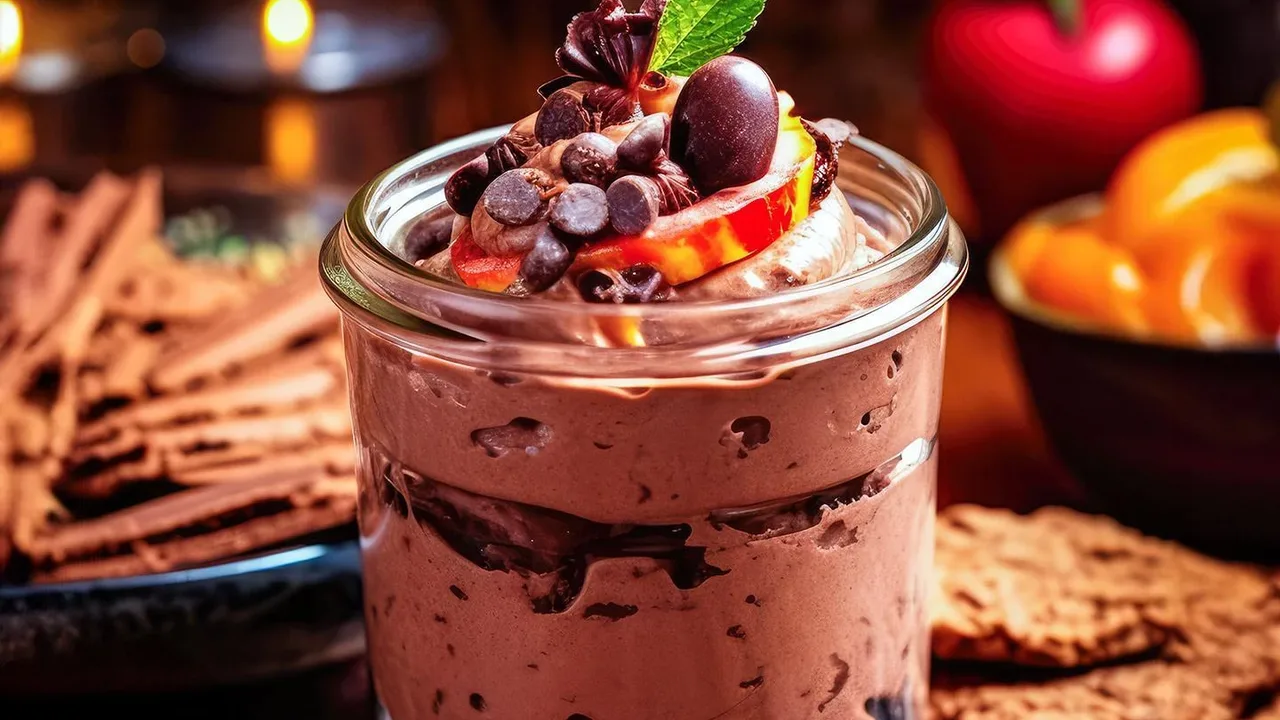
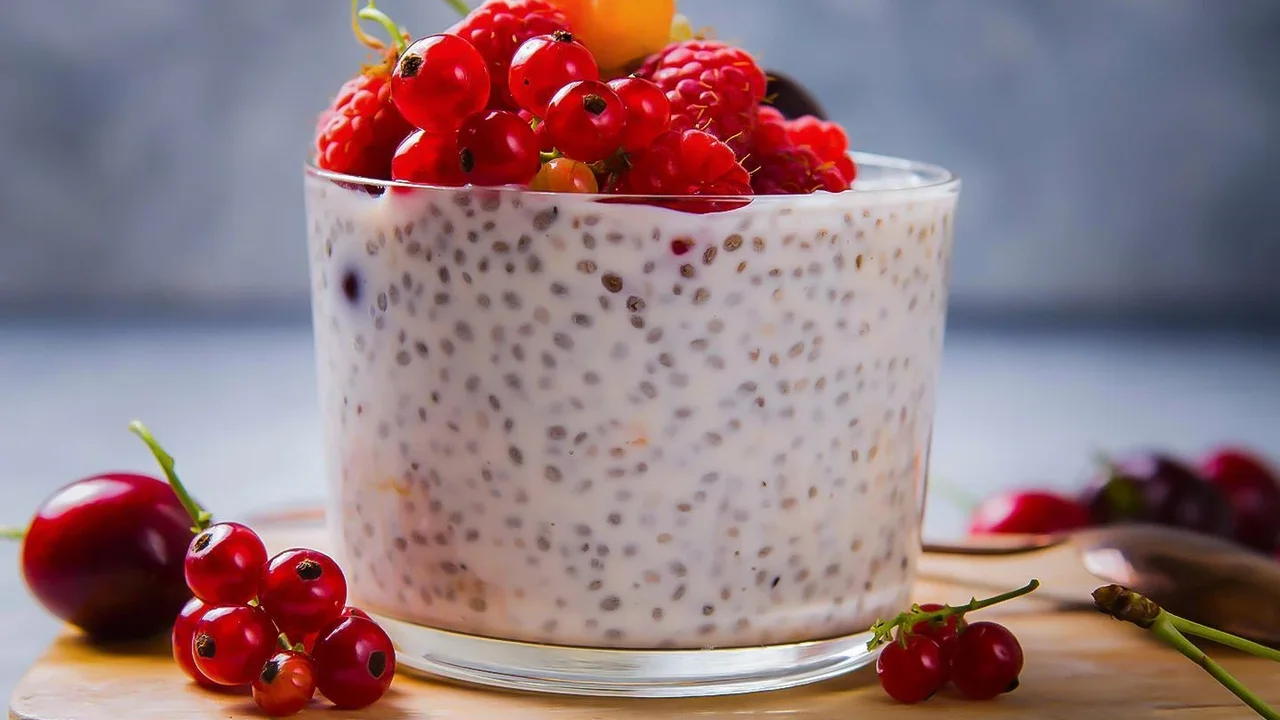
While the market for ready-made protein desserts is growing, the trend has also empowered home cooks. It's easier than ever to whip up your own protein-packed treats. Simple recipes for protein mug cakes, puddings made with Greek yoghurt and protein powder, and no-bake energy balls are widely available. These often use ingredients like oats, nut butters, chia seeds, and cottage cheese to naturally boost protein content without relying on processed powders. For instance, a simple and delicious dessert can be made by blending Greek yoghurt, a scoop of protein powder, and some melted chocolate, then chilling it to set. Making your own gives you complete control over the ingredients, allowing you to tailor the sweetness and nutritional content to your exact needs.