







A Fundamental Shift in Investment
Data from the first three quarters of 2026 confirms a significant trend: investors are placing bigger bets on fewer, more foundational companies. While the overall number of funding rounds has declined, total capital invested in Indian tech startups rose
to $10.3 billion, a 7% increase year-on-year. Amid this consolidation, AI infrastructure emerged as the single most-funded category, attracting $1.2 billion. This figure is part of a larger surge in AI-related investments, with the AI segment as a whole raising the highest amount of capital in the first quarter, significantly boosted by large deals. The message is clear: the gold rush is no longer just for software applications, but for the underlying hardware, data centres, and sovereign cloud capabilities that power them.
What Is AI Infrastructure?
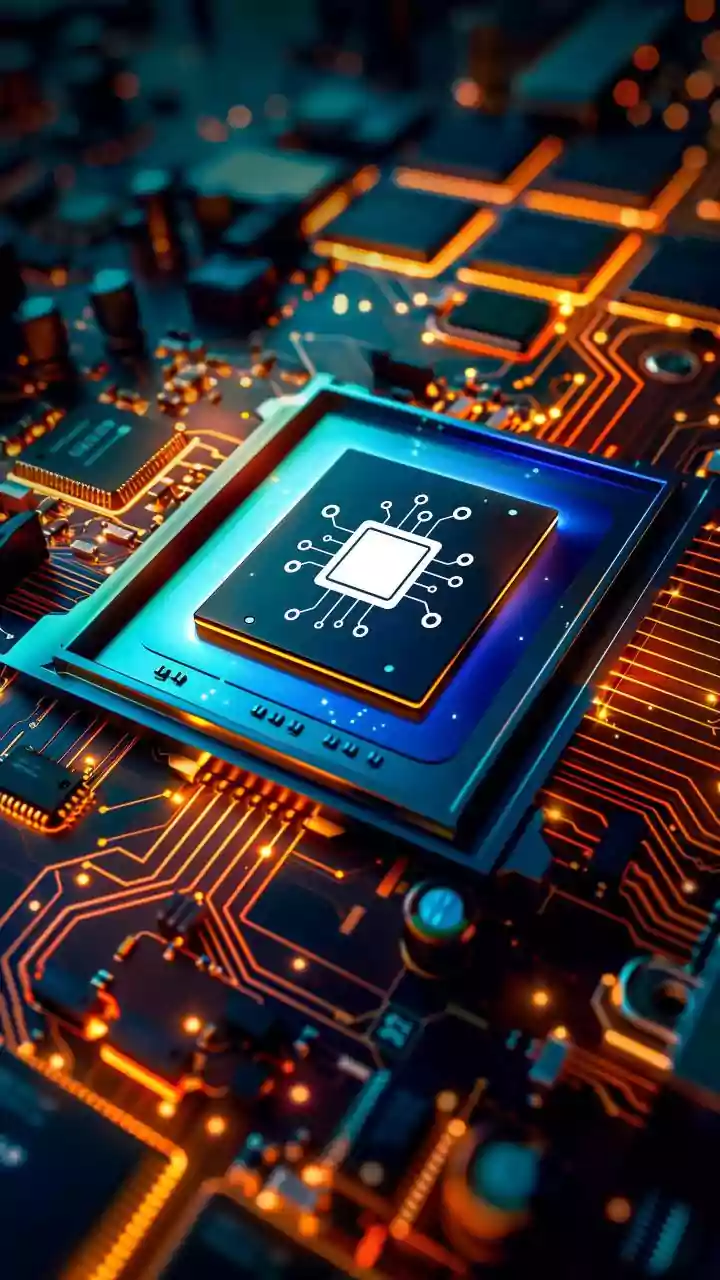
AI infrastructure is the essential, non-negotiable plumbing required to build and deploy artificial intelligence. It’s not the AI model you interact with, but everything needed to make that model work. This includes massive data centres for storing and processing information, thousands of specialized semiconductor chips like GPUs (Graphics Processing Units), cloud platforms that allow developers to access computing power on demand, and the software to manage it all. Companies in this space are not building consumer-facing products but are instead constructing the digital highways, power grids, and factories for the AI economy. This includes everything from data centre operators like Yotta to AI cloud platforms like Neysa, which recently secured a massive investment to deploy over 20,000 GPUs.
The Race for Sovereign Compute
A key driver of this investment boom is the global race for “sovereign AI.” This refers to a nation's ability to build and control its own AI capabilities without being completely dependent on foreign technology. The Indian government’s ₹10,372 crore IndiaAI Mission is a significant catalyst, providing funding and resources to homegrown startups. The mission aims to foster the development of large language models (LLMs) trained on Indian languages and data. Startups like Sarvam AI, which was selected to build India’s sovereign LLM with government support, exemplify this push. This strategic priority, combined with geopolitical desires to establish a technology alternative to China, has made building domestic AI infrastructure a national imperative and a highly attractive proposition for investors.
Meet the New Titans
The scale of funding is creating a new class of heavily capitalized startups focused on deep tech. Neysa, an AI cloud startup, secured a staggering $600 million equity investment led by Blackstone to build out its GPU capacity. Krutrim AI became India’s first AI unicorn, and Sarvam AI quickly followed, reaching a $1.5 billion valuation. Beyond startups, established Indian conglomerates and global tech giants are pouring billions into the ecosystem. Reliance Industries and the Adani Group have collectively pledged over $200 billion towards AI and data centre infrastructure. Simultaneously, Amazon Web Services, Microsoft, and Google are expanding their data centre footprints in cities like Hyderabad, Pune, and Chennai, creating a hyper-competitive and well-funded landscape.
The Broader Economic Impact
This tidal wave of investment extends far beyond the tech sector. The capital expenditure for AI enablers is projected to grow by 65% in 2026 alone, driving a physical infrastructure boom in power generation, transmission, and real estate for data centres. This focus on foundational layers promises to create a powerful ripple effect across the economy, fostering job creation and building a competitive advantage for India on the global stage. By making AI compute more affordable and accessible, the goal is to unlock innovation across all sectors, from agriculture and healthcare to finance and manufacturing. The shift towards infrastructure suggests a maturing startup ecosystem, one focused on building long-term, durable value rather than chasing fleeting software trends.