



What is Sattu?
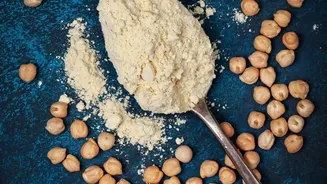
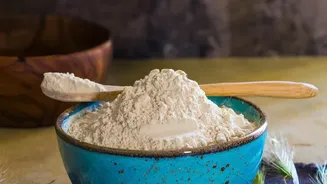
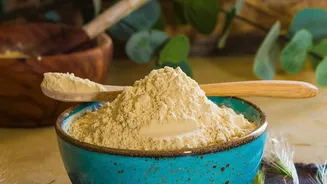
Often called the 'poor man's protein', sattu is a flour made from roasted Bengal gram (chana). For centuries, it has been a staple in the diets of farmers and labourers across regions like Bihar, Jharkhand, and Uttar Pradesh, valued for its energy-boosting
properties. The roasting process gives sattu a unique nutty flavour and makes it highly digestible. Unlike many modern health foods that are heavily processed, sattu is a whole food, created simply by grinding the roasted grams, retaining its rich nutritional profile. It is this simplicity and nutrient density that is causing a revival of sattu among health-conscious individuals and fitness enthusiasts today.
The Post-Workout Protein Powerhouse
The primary reason sattu is excellent for post-workout recovery is its high protein content. On average, sattu made from chickpeas contains 20-25 grams of protein per 100 grams. This impressive figure is comparable to many commercial protein supplements. Protein is essential after exercise to repair the microscopic tears in muscle fibres, a process which leads to muscle growth and increased strength. Sattu provides the necessary amino acids, like lysine and arginine, that are critical for this muscle synthesis and tissue repair. While it's not technically a 'complete' protein on its own as it has lower levels of the amino acid methionine, pairing it with grains, seeds, or a little dairy easily creates a complete amino acid profile.
More Than Just Protein
Sattu's benefits extend far beyond protein. It is exceptionally rich in dietary fibre, which supports gut health, aids digestion, and helps you feel full for longer, preventing unhealthy snacking. It's also packed with essential minerals like iron, magnesium, and calcium. Iron is crucial for preventing fatigue, while magnesium and calcium support muscle function and bone health. Furthermore, sattu has a low glycaemic index, meaning it provides a slow and sustained release of energy without causing sharp spikes in blood sugar. This makes it an ideal food for both energy before a workout and stable recovery afterward.
The Affordable, Quick Alternative
One of sattu's most significant advantages is its affordability, especially when compared to whey protein. The cost per gram of protein from sattu can be 8 to 12 times lower than that of many commercial whey protein powders available in India. A kilogram of sattu is significantly cheaper than a standard tub of whey, making it a sustainable choice for daily use. It’s also incredibly convenient. There's no complex preparation involved. A nutritious bowl or drink can be whipped up in minutes, making it a perfect solution for those who need a quick meal after hitting the gym.
How to Make Your Perfect Sattu Bowl
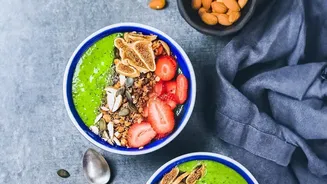
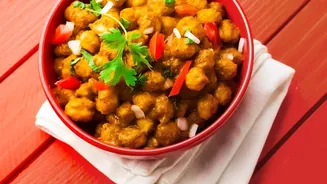
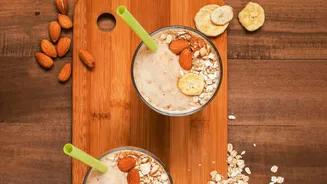
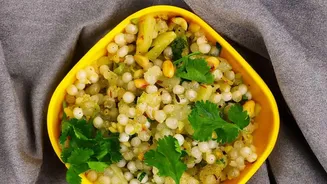
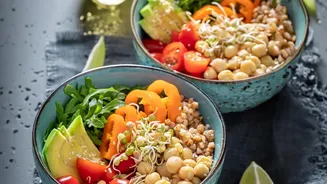
Creating a post-workout sattu bowl is simple and highly customisable. For a quick savoury bowl, start with a base of 3-4 tablespoons of sattu flour in a bowl. Slowly add water or buttermilk, mixing until you achieve a thick, porridge-like consistency. To this base, you can add finely chopped vegetables like onion, tomato, and cucumber for crunch and freshness. Season it with a pinch of black salt, roasted cumin powder, and a squeeze of lemon juice for flavour. For a sweet version, blend sattu with milk or a plant-based alternative, a ripe banana for natural sweetness and glycogen replenishment, and a teaspoon of honey or jaggery. You can enhance it further by adding nuts, seeds, or a dash of cinnamon. Both versions provide a balanced mix of protein, carbohydrates, and micronutrients ideal for recovery.