




Beyond the Usual Condiments
When we think of chutney, our minds often jump to the fresh, wet pastes that accompany our snacks and meals—the vibrant green coriander chutney or the sweet-sour tang of tamarind. But a parallel universe of dry, powdered chutneys, often called 'podi'
or 'chutney pudi', has existed for centuries, especially in the homes of Maharashtra, Karnataka, and Andhra Pradesh. These aren’t accompaniments you whip up minutes before a meal; they are shelf-stable flavour bombs, born from the practical need for preservation and portability in an era before refrigeration. Made by dry-roasting lentils, seeds, and spices, these coarse powders offer a completely different textural and flavour experience. Now, a renewed interest in health, heritage, and intense flavours is bringing these humble staples out of regional kitchens and into the modern Indian pantry.
The Nutritional Powerhouses
A major force driving this trend is a collective shift towards wellness. Seeds and pulses are nutritional giants. Flaxseeds (jawas or alsi), for example, are a star ingredient in Maharashtrian households and are celebrated for being a rich plant-based source of Omega-3 fatty acids, fibre, and protein. Consuming them as a chutney powder makes them more digestible and helps the body absorb their nutrients effectively. Similarly, lentils like urad dal and chana dal, the foundation of many South Indian 'gunpowder' podis, are packed with protein and fibre, keeping you fuller for longer. Other seeds like sesame, pumpkin, and sunflower are also finding their way into these modern-traditional blends, each bringing its own unique profile of healthy fats, vitamins, and minerals. This movement is less about a diet fad and more about rediscovering the inherent nutritional wisdom in our own culinary traditions.
A Taste of Regional Traditions
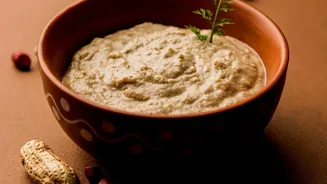
Each of these chutneys tells a story of its origin. In Maharashtra and North Karnataka, Javasachi Chutney is a household staple, especially in winter. Made from roasted flaxseeds, garlic, coconut, and chillies, it has a nutty, earthy flavour that’s traditionally enjoyed with rustic breads like bhakri or simply mixed with hot rice and a spoonful of ghee. Head further south to Andhra Pradesh, and you’ll find the famously explosive 'gunpowder' or Kandi Podi. This fiery blend of roasted toor dal, chana dal, and red chillies is so iconic that it's an essential part of the meal, designed to be mixed with rice as the first course. Meanwhile, Ellu Podi (sesame chutney) and Kariveppilai Podi (curry leaf powder) showcase how a single core ingredient can be transformed into a potent flavour enhancer. These recipes reflect the local agriculture and culinary identity of each region.
The Modern Revival
Today's chefs and a new generation of home cooks are not just recreating these old recipes; they are reinterpreting them. What was once a simple, rustic condiment is now being seen as a gourmet ingredient. The trend aligns with a broader movement in Indian cuisine to celebrate indigenous and hyperlocal ingredients. Small-batch artisanal brands are now packaging and selling these traditional chutneys, often highlighting their regional authenticity and health benefits to a wider urban audience. You might find a traditional flaxseed chutney with an added twist of roasted peanuts or curry leaves for extra aroma. Home cooks on social media are popularizing multi-seed chutneys, blending flax, pumpkin, sunflower, and sesame seeds into a single, super-nutritious powder. This revival is about making heritage food relevant for contemporary lifestyles, where convenience, health, and flavour are all equally important.
More Than Just a Side Dish
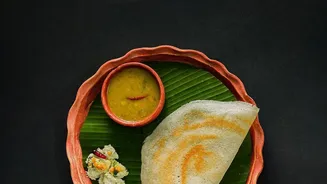
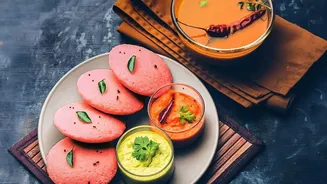
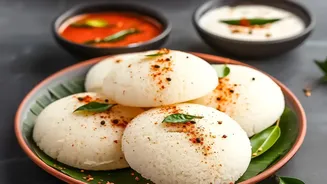
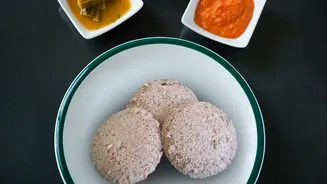
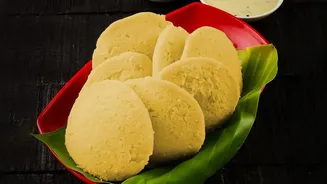
The use of these seed and pulse chutneys is also evolving. While the classic pairing with idli, dosa, or rice with ghee will never go out of style, their application is becoming much more creative. Their savoury, crunchy texture makes them an excellent topping for avocado toast, a seasoning for roasted vegetables, or a flavour booster for salads and yoghurt dips. Some are even using them as a rub for grilled meats or a sprinkle over pasta, adding an unexpected Indian kick to global dishes. This versatility is key to their growing popularity, proving that these humble powders are far more than just a side dish—they are a dynamic ingredient that can elevate almost any meal.