




The Psychology of the Crunch
There's a reason we're so drawn to crunchy foods, and it goes far beyond taste. From a psychological perspective, our brains are hardwired to associate crispness and crunchiness with freshness. Think of a crisp apple versus a soft, mealy one. The sound
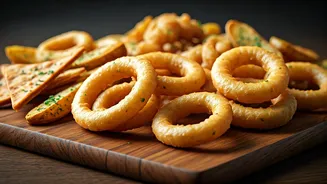
and sensation of a crunch signal that the food is fresh and, therefore, safe and nutritious. This primal preference is what makes dishes like fried calamari, crispy bhindi, or even a simple basket of potato wedges so universally appealing. Neurogastronomy, the study of how our brain perceives flavour, shows that sound is a critical component of eating. The louder the crunch, the more we tend to enjoy the food, often perceiving it as more flavourful than it might actually be. This auditory feedback creates a multi-sensory experience that is deeply satisfying and, frankly, a little bit addictive.
The Shift to Communal Eating
For decades, the standard restaurant experience was built around the individual—an appetiser, a main course, and a dessert, all for you. But modern dining culture, especially in urban India, has decisively shifted towards a more communal, flexible model. The rise of tapas, small plates, and mezze-style menus reflects a change in how we want to socialise. We no longer want to be siloed by our own large plates. Instead, we want to talk, laugh, and connect over a variety of flavours and textures. This format encourages interaction and turns a meal into a shared event rather than a sequence of individual courses. It’s less formal, more dynamic, and allows diners to sample a wider range of a chef’s offerings. Crunchy bites are the perfect vehicle for this style of eating.
Designing the Perfect Shareable Bite
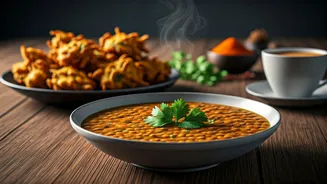
What makes a dish inherently shareable? Firstly, it has to be easy to divide and eat without creating a mess. No one wants to perform surgery on a complex dish with a fork and knife while chatting with friends. This is where crunchy items excel. Think of loaded nachos, arancini balls, kurkuri idli fry, or a platter of assorted pakoras. They are self-contained, easy to pick up, and can be eaten in one or two bites. Secondly, their texture holds up. A crunchy exterior protects a softer interior, ensuring the dish remains appealing even after sitting on the table for a while. This structural integrity is crucial for grazing-style meals. It’s no coincidence that some of India’s most beloved street foods, from golgappas to bhel puri, are built around a foundation of crunch. They are designed for quick, social consumption.
How Indian Chefs Are Innovating
Restaurants across India are leaning into this trend with creativity and flair. It’s not just about putting fries on the menu. Chefs are reinventing traditional recipes to fit this modern, shareable format. You might find deconstructed samosas served as crispy, bite-sized cones with a spiced potato foam, or palak patta chaat where individual spinach leaves are fried to a glass-like crispness and drizzled with chutneys. Even classic dishes are getting a crunchy makeover. Think of mutton seekh kebabs coated in crushed nuts and fried for texture, or corn ribs tossed in spicy podi masala. These dishes are not only delicious but also highly 'Instagrammable.' The visual and textural appeal makes them stars of social media, further fuelling their popularity and turning them into must-order items that get the whole table talking.