



A Monsoon Phenomenon
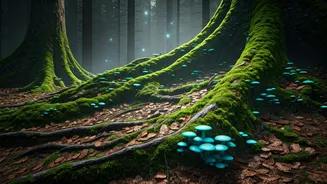
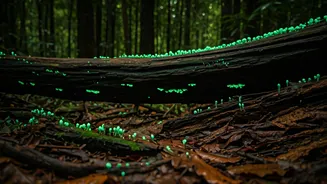
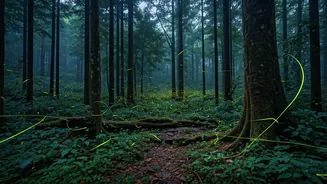
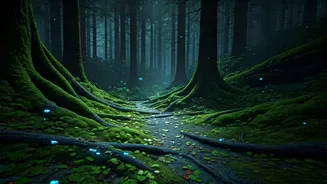
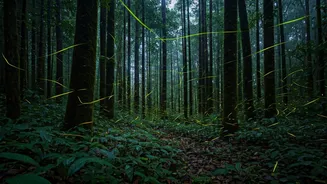
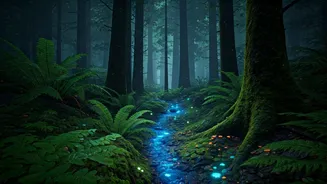
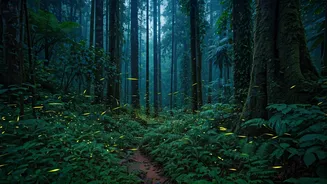
Imagine trekking through a forest at night, the air thick with the smell of wet earth and rain-soaked leaves. Your torch is off, and as your eyes adjust to the darkness, you see it: faint, greenish-blue lights scattered across the forest floor. They aren't
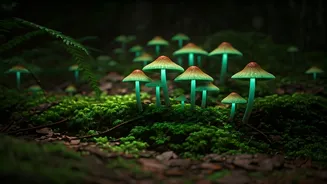
fireflies or lost LEDs. You're witnessing one of nature's most enchanting displays—bioluminescence. This isn't the work of insects, but of a special type of fungus that turns decaying wood, leaves, and twigs into a network of natural night-lights. The phenomenon, often called 'forest fire' or 'ghost fire' by local communities, transforms ordinary monsoon treks into extraordinary nocturnal adventures. It’s a subtle, mesmerising glow that feels both scientific and deeply magical.
The Science Behind the Glow
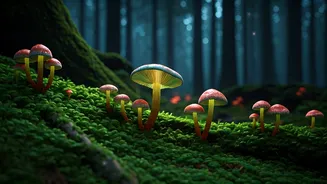
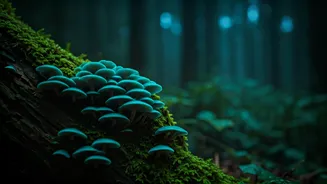
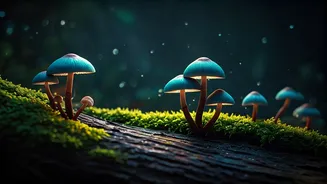
So, what causes this magical glow? The culprit is a family of fungi, most notably species of *Mycena*. These mushrooms thrive in the damp, decaying organic matter that blankets the forest floor during the monsoon. The light is a byproduct of a chemical reaction, a process known as bioluminescence. It’s the same basic principle that allows fireflies and deep-sea creatures to produce their own light. Inside the fungus, a compound called luciferin reacts with oxygen, catalysed by an enzyme called luciferase. This reaction releases energy in the form of cool, visible light. Scientists believe this glow may serve a purpose for the fungus, perhaps to attract nocturnal insects that then help disperse its spores, ensuring its survival and spread throughout the forest.
Where to Witness the Wonder
The Western Ghats, a UNESCO World Heritage Site, offers several hotspots for those hoping to catch this spectacle. The phenomenon is most frequently reported in the stretch covering parts of Maharashtra, Goa, and Karnataka during the peak monsoon months. Key locations include: - **Bhimashankar Wildlife Sanctuary, Maharashtra:** This protected area is one of the most popular destinations for guided 'glowing forest' treks. The dense forest and high rainfall create ideal conditions for the fungi to flourish. - **Chorla Ghats:** Located on the border of Goa, Karnataka, and Maharashtra, this area is another well-known spot. Its evergreen and semi-evergreen forests are rich with the biodiversity needed for the fungi to thrive. - **Other parts of the Sahyadri Range:** Trekkers have reported sightings in various other locations within the Sahyadri mountains, particularly on trails near Malshej Ghat and in the forests around Panhala Fort near Kolhapur. The key is to find a dark, damp, and undisturbed forest environment.
Planning Your Trip
Timing and preparation are everything. The bioluminescent fungi make their appearance exclusively during the monsoon, typically from June to late September or early October. The best chance of seeing a vibrant display is on a dark, moonless night after a few days of heavy rain, when the forest is saturated with moisture. The glow is very faint, so you need complete darkness for your eyes to perceive it fully. For a successful trip, always go with a registered local guide or a reputable trekking group. They know the safe trails and the exact spots where the fungi are most likely to be found. Wear sturdy, waterproof trekking shoes with good grip, as the trails will be slippery and muddy. A raincoat is essential, as is a headlamp or torch (to be used sparingly) for navigating the path. Most importantly, be patient. It can take up to 20 minutes for your eyes to fully adjust to the darkness and see the glow.
A Plea for Responsible Tourism
As the glowing forests gain popularity, it is crucial to approach them with respect. This is a fragile ecosystem. Stick to the designated trails to avoid trampling the delicate fungal networks. Follow the 'leave no trace' principle strictly: pack out everything you pack in, including wrappers and bottles. The glow is a natural wonder, not a theme park attraction. Avoid using flash photography, as it ruins the night vision of everyone in your group and adds unnecessary light pollution. Capturing the glow on camera is extremely difficult anyway and is best experienced with your own eyes. By being a responsible visitor, you help ensure that this magical phenomenon can be enjoyed by future generations.