





The Problem with Poor Lighting
Working in a dimly lit space forces your eyes to work harder, leading to physical discomfort and mental fatigue. This can manifest as digital eye strain, characterised by dryness and blurred vision, tension headaches, and an overall feeling of sluggishness.
The quality of light directly influences your mood, focus, and output. A poorly lit environment can reduce alertness and make it difficult to concentrate, while a well-lit space enhances energy and performance. The goal isn't just to make a room brighter, but to create a quality of light that supports your well-being and work.
Layer Your Lighting for Full Coverage
Don't rely on a single overhead bulb. The best-lit spaces use a layered approach with three types of lighting. Start with ambient light, which provides general, uniform illumination for the whole room, often from a ceiling fixture. Next, add task lighting, which is a focused, brighter light for specific activities like reading or typing. A good desk lamp is the most common form of task lighting. Finally, consider accent lighting, like a small lamp highlighting a piece of art, to add depth and personality. This combination ensures your entire workspace is evenly and effectively illuminated.
Choose the Right Colour Temperature
Not all light is created equal. The colour of light, measured in Kelvin (K), has a significant psychological effect. Warm, yellow light (under 3000K) promotes relaxation, which is great for a living room but not ideal for a workspace. For productivity, you need a cooler, more neutral light that mimics natural daylight. Look for LED bulbs labeled as "Daylight" or with a colour temperature between 5000K and 6500K. This crisp, cool light enhances alertness and focus, making it easier to stay energised during a long workday.
Invest in a Dedicated Desk Lamp
If you make only one change, let it be this. A quality desk lamp is the cornerstone of good task lighting. It provides direct, controlled illumination right where you need it, preventing the eye strain that comes from working under dim or shadowy overhead lights. Look for an adjustable model that allows you to direct the beam precisely onto your keyboard or documents, not your screen. Placing the lamp correctly helps to eliminate glare, a common cause of headaches and distraction. This single addition can dramatically improve comfort and concentration.
Maximise Light with Mirrors and Smart Decor
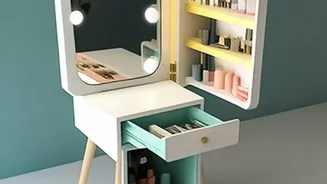
Artificial light isn't your only tool. Strategic decor choices can amplify the light you already have. Mirrors are a designer's best friend for brightening dark rooms because they reflect light, making a space feel larger and more open. Placing a large mirror on the wall opposite your main window can effectively double the amount of natural light entering the room. Even a small, decorative mirror can help bounce light into dim corners. Similarly, light-coloured walls, rugs, and furniture will reflect more light than dark surfaces, helping to create a brighter, more airy feel with minimal effort.
Keep Windows Clear and Clean
It’s a simple tip that’s easy to overlook. Maximise every bit of natural light available on overcast days by ensuring your windows are clean and unobstructed. A layer of dust and grime can significantly filter out precious daylight. Likewise, heavy curtains or cluttered windowsills can block light. Consider switching to sheer or lightweight curtains that provide privacy without sacrificing sunlight. Positioning your desk near a window is ideal, but be mindful of glare on your screen. The best position is often where the window is to your side.