




The Science Behind the 'Grapefruit Effect'
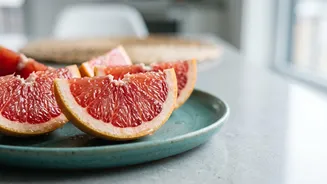
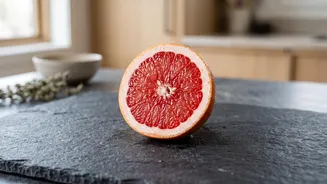
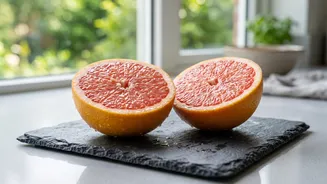
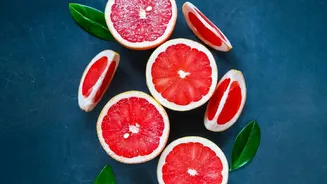
The problem lies with a group of natural compounds called furanocoumarins, which are found in high concentrations in grapefruit and some other citrus fruits. These compounds interfere with a crucial enzyme in your intestines and liver known as CYP3A4.
This enzyme is responsible for metabolizing, or breaking down, many common drugs, including certain statins. When you consume grapefruit, the furanocoumarins block this enzyme's ability to do its job. As a result, instead of being properly processed, more of the statin medication is absorbed into your bloodstream. This can cause the drug to build up to potentially toxic levels, essentially creating the effect of an overdose even when you've taken your prescribed dose.
Which Statins and Juices Are a Concern?
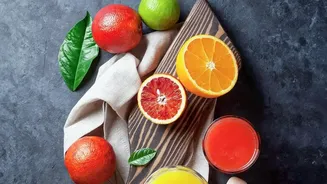
Not all statins are created equal when it comes to this interaction. The statins most significantly affected are atorvastatin (Lipitor), lovastatin (Mevacor), and simvastatin (Zocor), because they are heavily metabolized by the CYP3A4 enzyme. On the other hand, statins like pravastatin (Pravachol), rosuvastatin (Crestor), fluvastatin (Lescol), and pitavastatin (Livalo) are considered safer options for grapefruit lovers, as they are broken down by the body through different pathways and have little to no interaction. While grapefruit is the most well-known culprit, it's not alone. Other citrus fruits containing furanocoumarins include Seville oranges (often used in marmalade), pomelos, and some limes. Common oranges, tangerines, lemons, and clementines have not been shown to cause this problematic interaction.
Understanding the Risks and Symptoms
When statin levels in the blood become too high, the risk of side effects increases significantly. The most common issues are muscle and joint pain. However, the most serious concern is a rare but severe condition called rhabdomyolysis. This involves the rapid breakdown of muscle tissue, which releases damaging proteins into the bloodstream. Symptoms to watch for include severe muscle pain and weakness, fatigue, and dark, tea-coloured urine. If left untreated, rhabdomyolysis can lead to permanent kidney damage or even kidney failure. It's crucial to seek immediate medical attention if you take a vulnerable statin and experience these symptoms.
How Much Is Too Much?
The effect of this interaction can be surprisingly potent and long-lasting. Even a single grapefruit or a 200 ml glass of juice can be enough to inhibit the CYP3A4 enzyme for up to 72 hours. This means that you can't simply space out your medication and juice consumption to avoid the problem. While some studies suggest that very large quantities—over a litre of juice per day—are needed for the most dangerous effects, most doctors advise caution. The amount of furanocoumarins can vary from one fruit to another, making it difficult to predict the level of risk. Therefore, for the statins most affected, complete avoidance is often the safest recommendation.
What Should You Do?
If you are prescribed atorvastatin, lovastatin, or simvastatin, the safest approach is to avoid grapefruit and other high-risk citrus juices entirely. It's essential to read the patient information leaflet that comes with your medication, as it will contain specific warnings. If you love citrus and don't want to give it up, have a conversation with your doctor. They may be able to switch you to a statin that does not interact with grapefruit, such as rosuvastatin or pravastatin. Never adjust your medication dosage on your own. Always consult your healthcare provider or pharmacist to discuss any potential food-drug interactions and find the safest solution for managing your cholesterol.