
Beyond the Menu: Welcome to the Experience Economy
First, let's break down the jargon. The 'experience economy' is a simple but powerful idea: businesses are no longer just selling services (like cooking a meal) but are staging memorable events that engage customers on an emotional, physical, and intellectual
level. Consumers, especially millennials and Gen Z, increasingly prioritize unique experiences over material goods. For the restaurant industry, this means the ambience, story, and interactive elements of a meal are becoming as important as the flavours themselves. Recent reports indicate that a significant majority of Indian diners, around 65%, now actively prefer experience-led dining, including live entertainment and themed nights. It’s a fundamental shift from transactional to experiential.
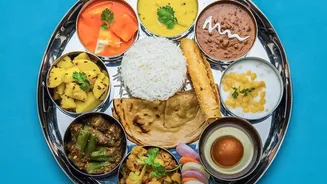
The Modern 'Food Festival': More Than Just a Thali
The concept of food festivals is not new to India, with hotels historically hosting them to mark traditional occasions. However, today’s trend goes much further. Restaurants are now the primary drivers, creating their own self-contained 'festivals' that are not always tied to the traditional calendar. Think of a Hyderabadi food festival in Mumbai, a coastal seafood celebration in Delhi, or a week-long kebab showcase at a local fine-diner. These events are meticulously planned, often featuring curated menus, special decor, guest chefs, and even music that transports the diner to a specific region or culinary tradition. This evolution from simple holiday menus to elaborate, ticketed pop-ups and temporary restaurant takeovers marks a strategic move to create scarcity, exclusivity, and social media buzz.
The Business of Celebration
For restaurants, embracing the festival model is a savvy business strategy. These curated experiences allow them to break the monotony of their standard à la carte offerings and create fresh excitement. They serve as powerful marketing tools, generating user-generated content for social media as diners rush to share their unique experiences. Furthermore, these events provide a justification for premium pricing, as customers are paying for the entire package—the food, the ambiance, and the entertainment. Pop-ups and collaborations with famous chefs, once a novelty, are now a core strategy to attract new clientele and test new concepts without the risk of a permanent menu change. It’s a way to turn the restaurant into a destination, an event space that offers something new to discover on every visit.
Crafting the Immersive Experience
What truly sets this trend apart is the attention to detail beyond the plate. A successful festival dining experience is a sensory journey. It might involve staff dressed in regional attire, traditional music performances, or interactive elements like live cooking stations and workshops where diners can learn from the chefs. Some restaurants are even using decor and lighting to replicate the feel of a specific place or celebration. The goal is to build a narrative. For example, a pop-up focused on Naga cuisine might feature ingredients sourced directly from the region and stories about the dishes' origins shared by the chef. This commitment to authenticity and storytelling helps forge a deeper connection with the diner, making the meal a lasting memory.
What’s Next for Festive Feasts?
As this trend matures, it's set to become even more sophisticated. Experts predict a continued move towards hyper-local sourcing and celebrating indigenous ingredients, with the story of the farmer becoming as important as the chef's technique. Technology may also play a bigger role, with augmented reality menus or tech-enhanced ambiances becoming more common. Ultimately, the line between restaurant, event space, and cultural curator is blurring. The rise of chef-led, intimate dining spaces with fewer than 20 seats is another facet of this, where the entire evening is a highly personal and exclusive event. As Indian diners continue to seek connection and novelty, restaurants that successfully package heritage with modern, memorable experiences will define the future of eating out.