


Swap the Big Sadya for a Homestay Feast
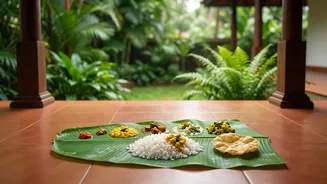
The Onam sadya, a vegetarian feast with dozens of dishes served on a banana leaf, is the festival's culinary soul. While grand sadyas are offered at hotels across the state, the most authentic experience is often found in a family home. Instead of a commercial
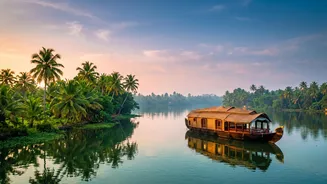
event, consider booking a stay at a traditional homestay in areas like Kumarakom or the less-travelled parts of Wayanad. Here, you not only get to savour a home-cooked meal, prepared with generations-old recipes, but you might also be invited to participate in the preparations. This offers a genuine connection to the festival's spirit of togetherness and harvest. Many hosts are proud to share their family traditions, explaining the significance of each dish, from the inji curry to the final payasam.
Witness the Grandeur of Aranmula Valla Sadhya
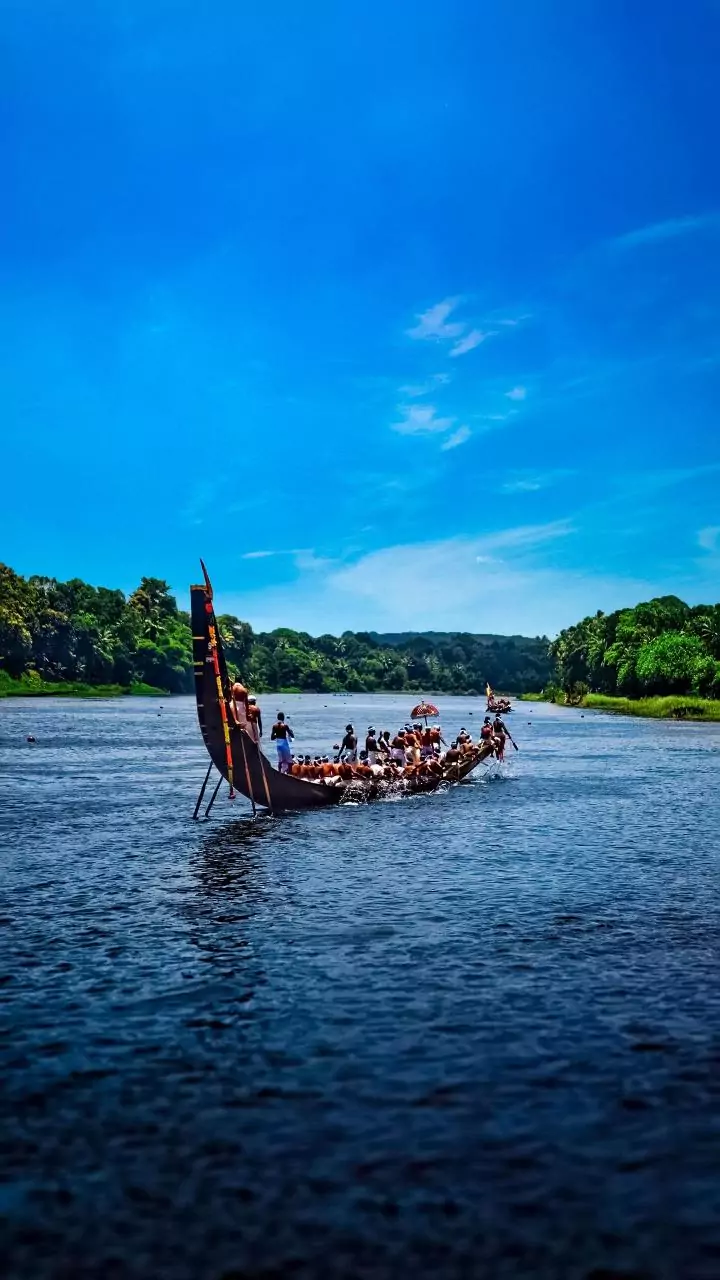
While the Nehru Trophy Boat Race in Alappuzha is world-famous, the rituals surrounding the Aranmula Uthrattathi Vallamkali in Pathanamthitta district offer a deeper cultural immersion. The main event here is not just the race but the Valla Sadhya, a massive ritual feast offered to Lord Parthasarathy, the presiding deity of the Aranmula temple. This feast is held for the oarsmen of the 'Palliyodams' (snake boats). Devotees can also partake in what is considered one of the largest vegetarian feasts in the world, with over 60 traditional dishes. The atmosphere is electric, as oarsmen arrive singing Vanchipattu (boat songs), theatrically requesting dishes as part of the ritual. It's a powerful blend of faith, food, and folklore that offers a far more spiritual experience than a typical sporting event.
Explore Folk Traditions in Northern Kerala
Onam celebrations often differ by region. The northern Malabar districts of Kannur and Kasaragod have unique folk traditions you won't find in the south. One of the most captivating is the Onapottan, a folk character who visits homes during the festival. Believed to be a representation of King Mahabali, this silent performer, adorned with a distinctive palm-leaf umbrella and vibrant costume, offers blessings without uttering a word. Similarly, keep an eye out for Onathallu, a form of ritual combat or martial art still practised in parts of Thrissur and Palakkad, offering a glimpse into the festival's more ancient, robust traditions.
Discover Masked Dances in Thrissur’s Villages
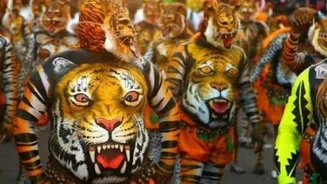
Thrissur is famous for Pulikali, the 'tiger dance' that draws huge crowds to Swaraj Round. For a less crowded but equally fascinating experience, venture into the surrounding villages like Kizhakkumpattukara to witness Kummattikali. This colourful mask-dance features performers clad in skirts of woven grass and wearing painted wooden masks depicting characters from mythology like Krishna, Ganesha, or Darika. They move from house to house, dancing and collecting small gifts, bringing the festive spirit directly to the community's doorstep. It's a grassroots celebration that feels more intimate and less like a grand performance.
Visit the Mythological Heart of Onam
To connect with the origin story of Onam, travel to the Thrikkakara Vamanamoorthy Temple near Kochi. This temple is believed to be the mythological capital of King Mahabali and the place where Lord Vishnu appeared as Vamana, making it the epicentre of the Onam legend. The celebrations here are deeply traditional, beginning with a flag-hoisting ceremony and featuring ten days of cultural performances. On the main day of Thiruvonam, the temple hosts a grand sadya for all visitors, regardless of faith, embodying the festival's message of unity. Witnessing the rituals here offers a direct link to the story that underpins the entire festival.
Experience Onam in the Quiet Charm of Palakkad
For those seeking to escape the festival rush entirely, Palakkad offers a peaceful alternative. This district, known as the 'Granary of Kerala', celebrates Onam with a focus on its agrarian roots. Here, the celebrations are less about grand public spectacles and more about village life and temple festivities. You can explore traditional homes, enjoy local feasts, and witness simpler, heartfelt customs without the overwhelming crowds found in major tourist hubs. A visit to Palakkad during Onam is a journey back to a slower, more pastoral way of life, where the harvest festival's true meaning can be quietly appreciated amidst lush green paddy fields.