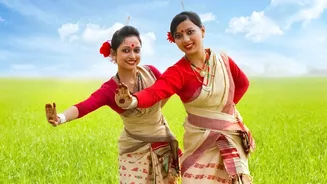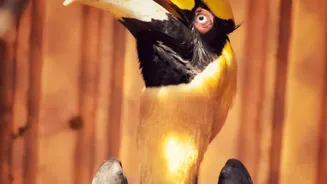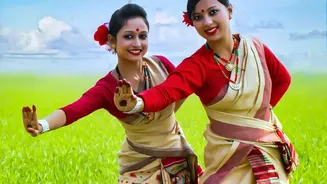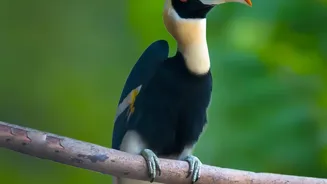


Every December, the hills near Kohima come alive with the thunder of log drums and the vibrant colours of Nagaland's tribes. The Hornbill Festival is a dazzling showcase of heritage, music, and community spirit rolled into one.
The Festival of Festivals
Often called the 'Festival
of Festivals', the Hornbill Festival is an annual ten-day event organised by the Nagaland government to celebrate the state's rich cultural tapestry. Held from December 1st to the 10th at the Naga Heritage Village in Kisama, about 12 kilometres from Kohima, it coincides with Nagaland Statehood Day on December 1st. Established in the year 2000, its primary aim was to foster unity among Nagaland's many indigenous tribes and to preserve their unique traditions for future generations. Today, it has become a major cultural event, drawing visitors from all over the world to witness the spectacular gathering of all 17 major Naga tribes in a single location.
A Tapestry of Traditions
The heart of the Hornbill Festival lies in its celebration of Naga heritage. The Kisama Heritage Village is dotted with morungs, which are traditional youth dormitories, each representing a different tribe and intricately decorated with their specific cultural artefacts. Inside these morungs, visitors can interact with locals, witness artisans at work, and gain a deeper understanding of each tribe's customs. The main arena hosts a mesmerising schedule of cultural performances, from energetic war dances that echo ancient histories to soulful folk songs passed down through generations. Beyond the dances, you can also witness indigenous games and sports like Naga wrestling and traditional archery, offering a glimpse into the region's warrior traditions.
The Modern Sound of Nagaland
As the sun sets over the hills, the festival transitions from ancient rhythms to modern beats. The Hornbill Music Festival is a key component of the evening's festivities, showcasing a wide array of musical talent. In previous years, the Hornbill International Rock Contest was a major draw, attracting bands from across India and beyond. While the format has evolved, the evenings are still filled with high-energy concerts featuring rock, folk-fusion, and indie artists, catering to a diverse musical palate. These musical events, often running from 6 PM to 9 PM, add a contemporary layer to the festival, reflecting the dynamic spirit of modern Nagaland and its music-loving youth.
A Culinary and Craft Journey
No trip to the Hornbill Festival is complete without indulging in Naga cuisine. Food stalls across the venue offer a chance to sample a variety of traditional dishes. Bold flavours are a hallmark, with offerings like smoked pork with bamboo shoot, hearty stews such as Galho (a soupy rice and vegetable dish), and dishes featuring Axone (fermented soybean). For the adventurous, there are fiery chilli-eating competitions. You can wash it all down with Zutho, a locally brewed rice beer. The festival is also a shopper's paradise, with stalls selling authentic handwoven shawls, intricate bead jewellery, black pottery, and bamboo crafts, allowing you to take a piece of Naga heritage home.