



The festival of lights brings immense joy, but the annual spike in air pollution poses a serious health risk. To help you celebrate safely, here is a guide to understanding Air Quality Index (AQI) levels and how to limit your outdoor exposure.
Understanding the Air Quality Index (AQI)
The AQI
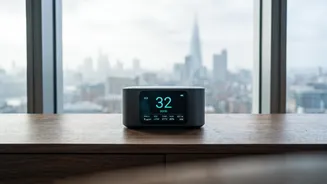
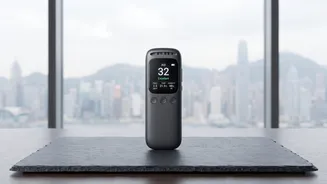
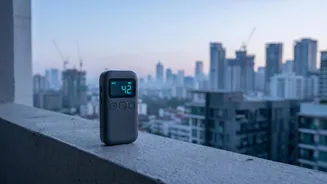
is a colour-coded scale from 0 to 500 that measures how polluted the air is. Higher numbers mean worse air quality. During Diwali, the bursting of firecrackers, combined with existing urban and agricultural emissions, can cause AQI levels to skyrocket into 'Very Poor' or 'Severe' categories within hours. These spikes are dominated by fine particulate matter (PM2.5) so small it can enter deep into your lungs and even your bloodstream. Monitoring your local AQI through official apps like SAMEER or other weather services is the first step to protecting yourself.
AQI 101–200: Moderate
At this level, the air quality may cause breathing discomfort for people with lung conditions like asthma, as well as heart disease, children, and older adults. Healthy individuals are less likely to be affected. For sensitive groups, it is advisable to reduce prolonged or heavy exertion outdoors. If you have a pre-existing condition, keep your medication handy. While the risk for the general population is low, it’s a good idea to minimise strenuous activities like running outside.
AQI 201–300: Poor
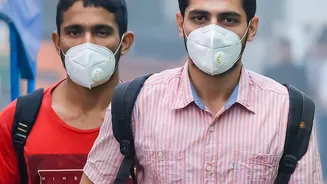
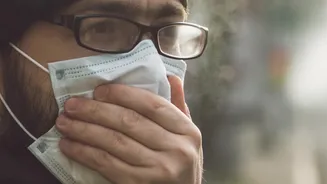
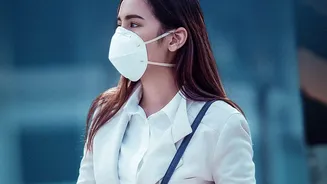
When the AQI enters the 'Poor' range, it can cause breathing discomfort to most people upon prolonged exposure. The health impacts for those with heart or lung disease become more pronounced. It's recommended to limit your time outdoors. If you must go out, consider wearing an N95 mask, which is effective at filtering fine particulate matter. Avoid strenuous exercise and move activities indoors where possible. This is particularly important in the evening and early morning hours after Diwali celebrations, when pollution levels often peak.
AQI 301–400: Very Poor
This level of air pollution can lead to respiratory illness after prolonged exposure. Even healthy people may experience symptoms like coughing, chest tightness, or throat irritation. For people with existing health conditions, the risks are serious. Everyone should avoid prolonged outdoor exertion. Sensitive groups, including children, pregnant women, and the elderly, should avoid all outdoor physical activity. If going outside is unavoidable, it should be for very short periods, and a high-quality N95 or N99 mask is essential.
AQI 401+: Severe
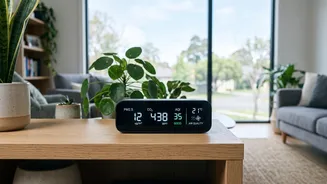
Severe air quality affects even healthy people and can have serious impacts on those with existing diseases. Health alerts are typically issued for the entire population. Everyone should avoid all outdoor physical activity. Stay indoors as much as possible with the windows and doors closed. Using an air purifier with a HEPA filter can help reduce indoor pollution levels. Do not rely on cloth or surgical masks if you absolutely must step out; only N95 or N99 masks offer adequate protection. During these periods, it’s also wise to avoid other sources of indoor smoke, like incense or candles.
Protecting Vulnerable Family Members
Children, older adults, pregnant women, and individuals with heart or lung conditions are especially vulnerable to the effects of poor air quality. Children's lungs are still developing, and they breathe in more air relative to their body weight, increasing their exposure risk. For these groups, it is critical to stay indoors when the AQI is 'Poor' or worse. Ensure they stay hydrated and have any necessary medications, like inhalers, readily available. Monitoring them for symptoms like coughing, wheezing, or shortness of breath is crucial.