




Why Your Watering Schedule Is Hurting Your Plants
Many new plant owners believe a strict watering schedule—say, every Sunday—is the key to success. But this is one of the most common mistakes. A plant's water needs change based on the season, light, humidity, and even the type of pot it's in. Watering
on a fixed calendar often leads to the number one killer of houseplants: overwatering. It's an act of love, but giving too much water is more dangerous than giving too little. When soil is constantly saturated, air pockets are eliminated. This suffocates the roots, preventing them from absorbing water and nutrients. This can quickly lead to root rot, a fungal disease that turns roots brown and mushy, and is often fatal.
The 'Finger Test': Your Most Reliable Tool
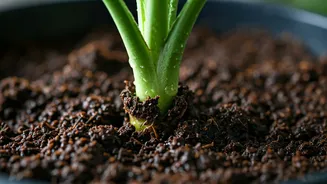
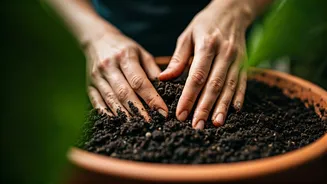
The most effective way to know if your plant needs a drink is the 'finger test'. It's simple: insert your index finger into the soil near the base of the plant, up to your first or second knuckle—about one to two inches deep. The surface of the soil can be misleading because it dries out much faster than the soil below where the roots are. If the soil at your fingertip feels dry and crumbly, it's time to water. If you feel moisture, it's best to wait and check again in a day or two. This simple, tactile check connects you to your plant's actual needs, moving you from a rigid schedule to an intuitive rhythm. It works for almost every plant, from vegetables to indoor foliage.
Reading the Signs of Overwatering
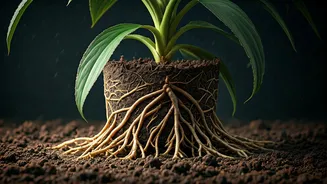
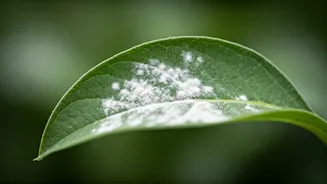
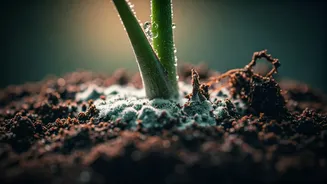
How can you tell if you've been too generous with the watering can? Overwatered plants send out several distress signals. Yellowing leaves, especially lower ones, are a classic sign. Paradoxically, a plant with waterlogged roots will often look wilted or droopy, much like a thirsty plant. This is because the damaged roots can no longer absorb water effectively. You might also notice mold on the soil's surface, a musty smell, or a constant swarm of tiny fungus gnats, which thrive in damp conditions. If you suspect overwatering, check the roots. Healthy roots are firm and white, while rotted roots are brown, black, and mushy.
Are There Exceptions to the Rule?
While the finger test is a great general guide, plant species have different preferences. Cacti and succulents, for example, have evolved to survive drought and prefer their soil to dry out completely between waterings. For these, you should feel no moisture at all when you check. On the other hand, some tropical plants like ferns and peace lilies prefer to remain consistently moist (but not soggy). Getting to know the specific needs of your plants is part of the journey. The finger test is your starting point; from there, you can adjust based on how different plants respond.
Beyond the Finger: Other Ways to Check
If you don’t want to get your fingers dirty, there are other low-tech and high-tech options. A simple wooden chopstick or skewer works like a cake tester; if it comes out clean and dry, it's time to water. If it comes out with damp soil clinging to it, wait. Another method is to simply lift the pot. A pot with dry soil will feel significantly lighter than one with wet soil. For a more scientific approach, a soil moisture meter can give you a reading from 'dry' to 'wet' on a numbered scale. While useful, especially for large pots, many gardeners find the free and ever-present finger test to be just as reliable.