



The Wellness Reboot
Gone are the days when the monsoon was considered the 'off-season'. Today, it's the peak season for a different kind of traveller: one seeking rejuvenation. According to ancient Ayurvedic texts, the monsoon is the ideal time for healing therapies. The
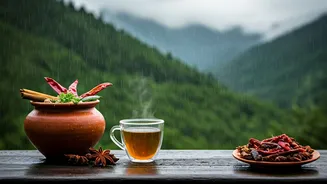
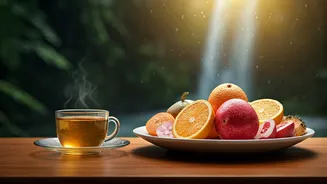
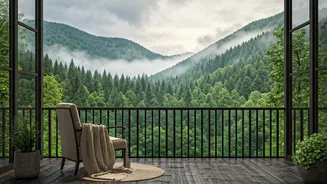
cool, moist, dust-free atmosphere helps the body become more receptive to treatments like Panchakarma and Abhyanga. Pores open up, allowing medicinal oils to penetrate deeper and toxins to be flushed out more effectively. This isn't a new discovery, but its mainstream adoption in travel is. States like Kerala have long championed 'Karkidaka Chikitsa', a traditional monsoon wellness regimen. Now, this concept has expanded across the country. From Himalayan yoga retreats where the sound of rain complements your meditation, to Ayurvedic centres in Goa and Rishikesh offering bespoke detox programmes, travellers are consciously choosing the monsoon to reset their bodies and minds. This isn't about escaping the rain; it's about embracing its healing power.
A Culinary Celebration
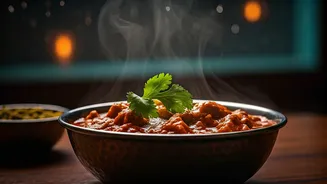
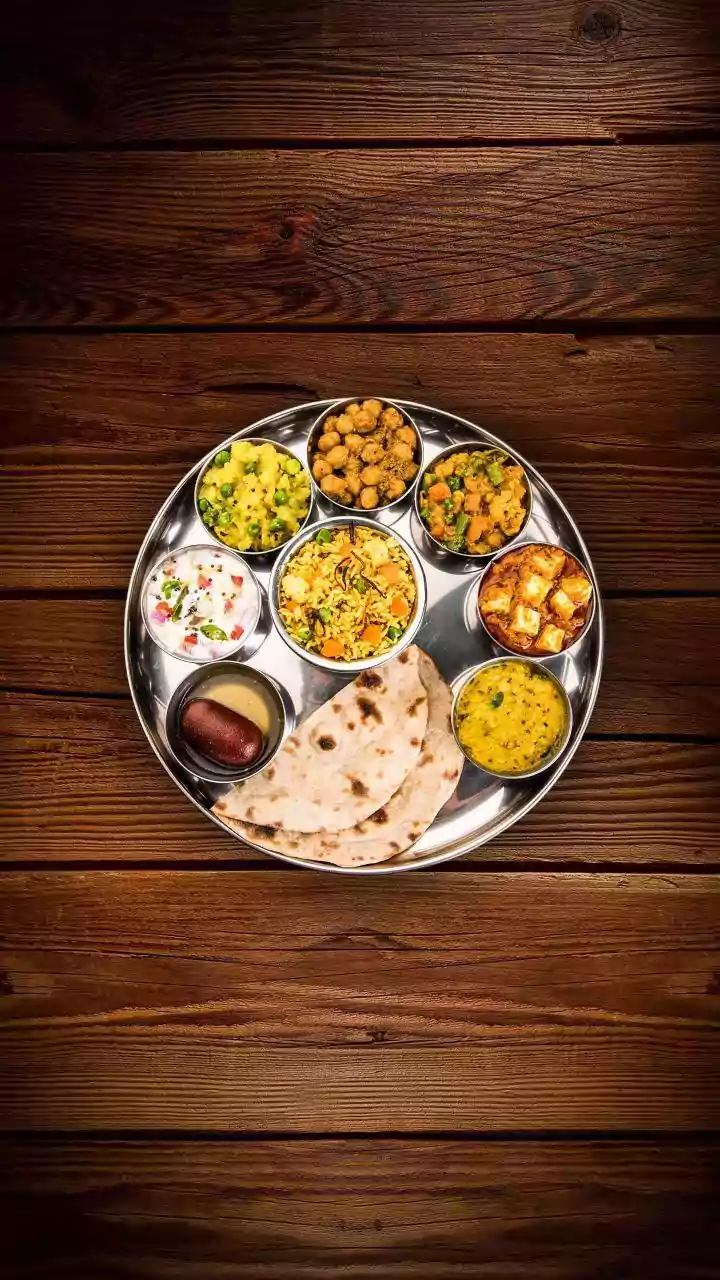
Monsoon cuisine is a category of its own, deeply rooted in comfort and seasonality. For years, the ultimate monsoon experience was a simple cup of chai and a plate of hot pakoras. While that classic combination remains undefeated, the new travel formula digs deeper into India’s rich culinary landscape. Food-focused travel is booming, with travellers seeking authentic, season-specific gastronomic experiences. In Goa, it’s about foraging for wild mushrooms and edible greens that appear only during the rains. In the Western Ghats, it’s about savouring 'patrode', colocasia leaves stuffed with a spiced mixture. Luxury hotels and boutique properties are curating special monsoon menus that celebrate local, seasonal produce. Think piping hot 'thukpa' in the mountains of Sikkim or spicy 'misal pav' in a quaint cafe in Pune. Food trails are becoming a popular activity, guiding tourists through bustling city lanes to find the best 'bhutta' (roasted corn) or the most flavourful 'chaat'. The monsoon brings with it a specific appetite, and the travel industry has learned to cater to it with creativity and authenticity.
An Immersion in Culture
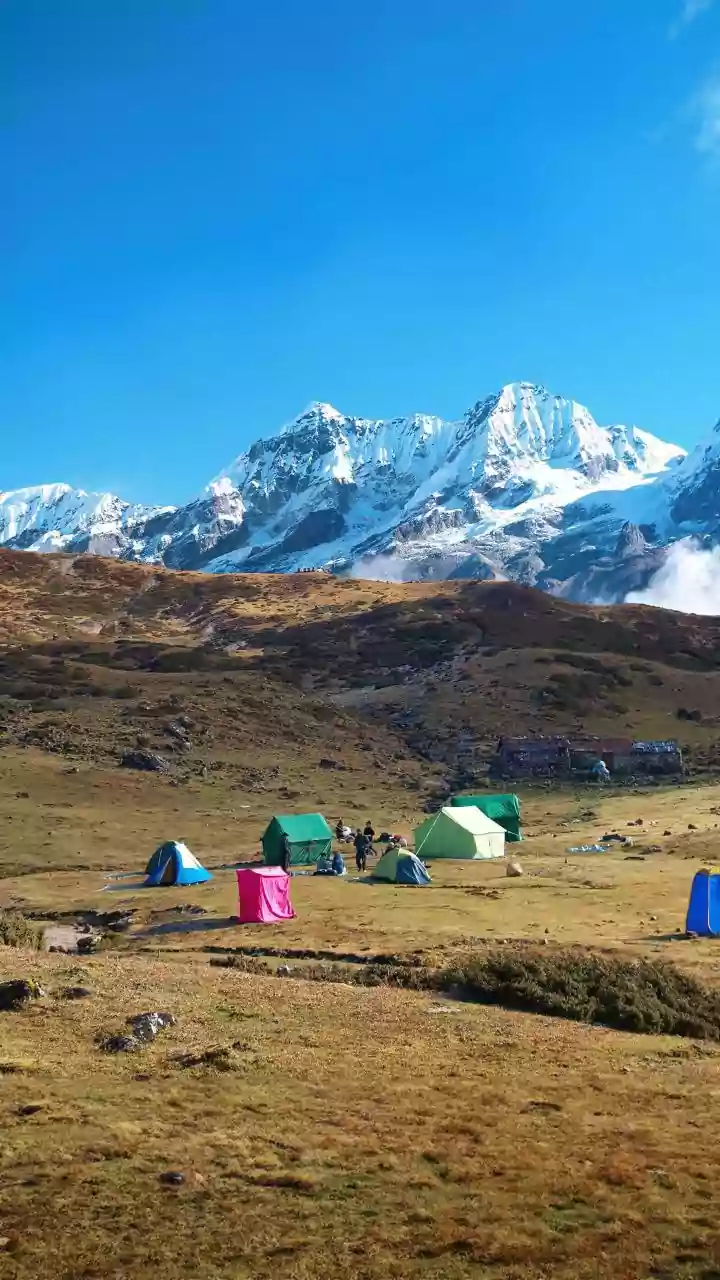
When the rain confines you indoors, it presents a unique opportunity for cultural immersion. The new monsoon traveller uses this time not for idle rest, but for engaging with local art, history, and traditions. The slower pace of life during the monsoon allows for more meaningful interactions. Instead of rushing between sights, travellers are enrolling in short workshops to learn pottery in Rajasthan, 'Madhubani' painting in Bihar, or a traditional dance form in the South. Cities with rich cultural infrastructure, like Mumbai, Delhi, and Kolkata, see a surge in visitors exploring their museums, art galleries, and theatres. The monsoon is also a time for vibrant festivals that are intrinsically linked to the season. The Teej festival in Rajasthan and the Hemis festival in Ladakh, for instance, offer spectacular cultural displays that are best experienced amidst the dramatic monsoon landscape. This shift represents a move from passive sightseeing to active participation, turning a rainy day from a limitation into an opportunity for a deeper connection with the place.
The New 'On-Season'
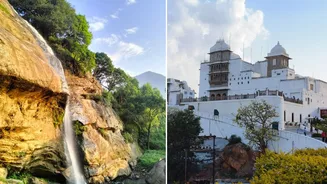
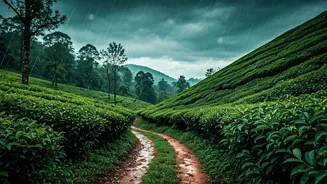
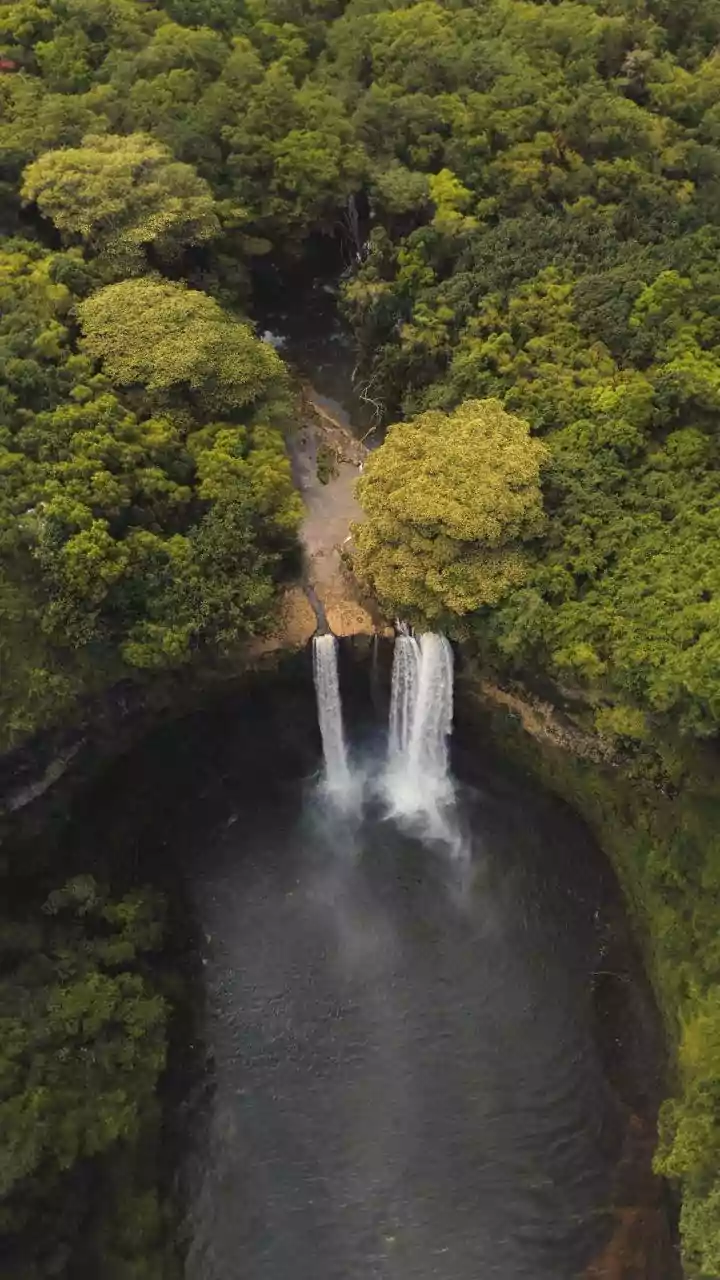
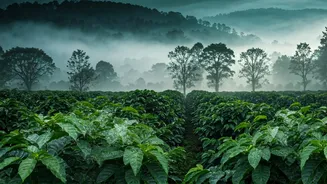
What this new formula—wellness, food, and culture—ultimately does is reframe the monsoon. It's no longer a period to be avoided but a destination in itself. This holistic approach combines the best of what India has to offer, creating a travel experience that is restorative, delicious, and intellectually stimulating. Travellers are realising that the lush, rain-washed landscapes provide a stunning backdrop for these activities. The mist-covered hills, the full-flowing waterfalls, and the verdant countryside are not just scenery but an integral part of the experience. This trend signals a maturing of the Indian traveller, who is moving beyond checklist tourism and seeking more profound and personal journeys. The monsoon, with its introspective and renewing character, is the perfect canvas for this evolution.