

Batch cooking is a game-changer for busy weeks, promising healthy, home-cooked meals without the daily grind. But after the cooking is done, one crucial step determines whether your efforts pay off: how you portion and store those meals.
The Twice-Weekly Advantage
While a single
massive Sunday cooking session is popular, a twice-weekly approach offers key benefits. Prepping on Sunday and again on Wednesday means your meals are fresher. Most cooked leftovers are best consumed within three to four days when stored in the fridge. A mid-week prep session ensures the meals you eat on Thursday and Friday are just as fresh as the ones you had on Monday. This approach also feels less overwhelming than preparing seven days of food at once and adds more variety to your week.
The Most Important Rule: Cool Food Fast
The single most critical factor in meal prep safety is cooling your food properly. Bacteria that cause foodborne illness multiply rapidly in the 'Temperature Danger Zone', which is between 40°F and 140°F (about 5°C to 60°C). Your goal is to move food through this zone as quickly as possible. According to food safety guidelines, cooked food must be cooled from 135°F to 70°F (57°C to 21°C) within two hours, and then from 70°F down to 41°F (5°C) or below in the next four hours. Never place a large, hot pot of food directly into the refrigerator. It will not cool down quickly enough in the center and can raise the temperature of the entire fridge, putting other foods at risk.
Portion First, Then Cool
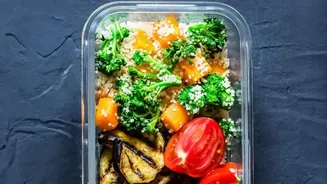
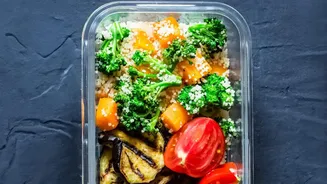
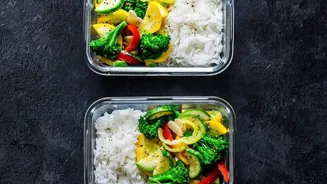
To cool foods rapidly and safely, you should portion them out before they cool completely. Dividing a large batch of stew, rice, or roasted vegetables into smaller, shallow containers increases the surface area and allows heat to escape much faster. This is the most effective way to get your food out of the temperature danger zone quickly. Letting food cool slightly for about 20-30 minutes at room temperature is fine, but you should not leave perishable foods out for more than two hours before they are refrigerated. Spreading grains like rice or quinoa on a baking sheet is another great trick to cool them quickly before transferring them to containers.
Choose the Right Containers
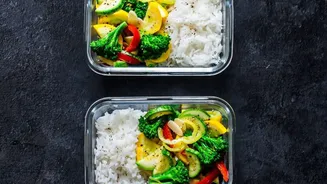
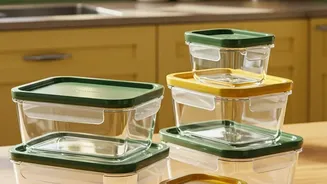
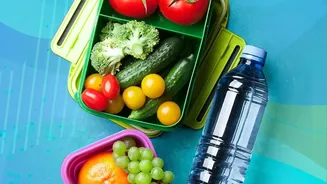
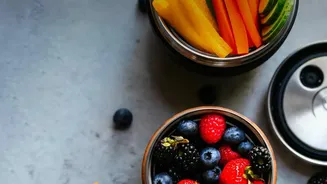
The right containers are essential for successful meal prep. Look for options that are airtight, stackable, and freezer-safe. Glass containers are a great choice as they don't absorb odours or stains and can often go directly from the refrigerator to the microwave or oven. BPA-free plastic containers are lighter and more portable, which can be ideal for lunches on the go. For maximum convenience, consider divided containers that keep different components of a meal, like a curry and rice, separate until you’re ready to eat. This helps maintain the texture and flavour of each element.
Store Smart and Stay Safe
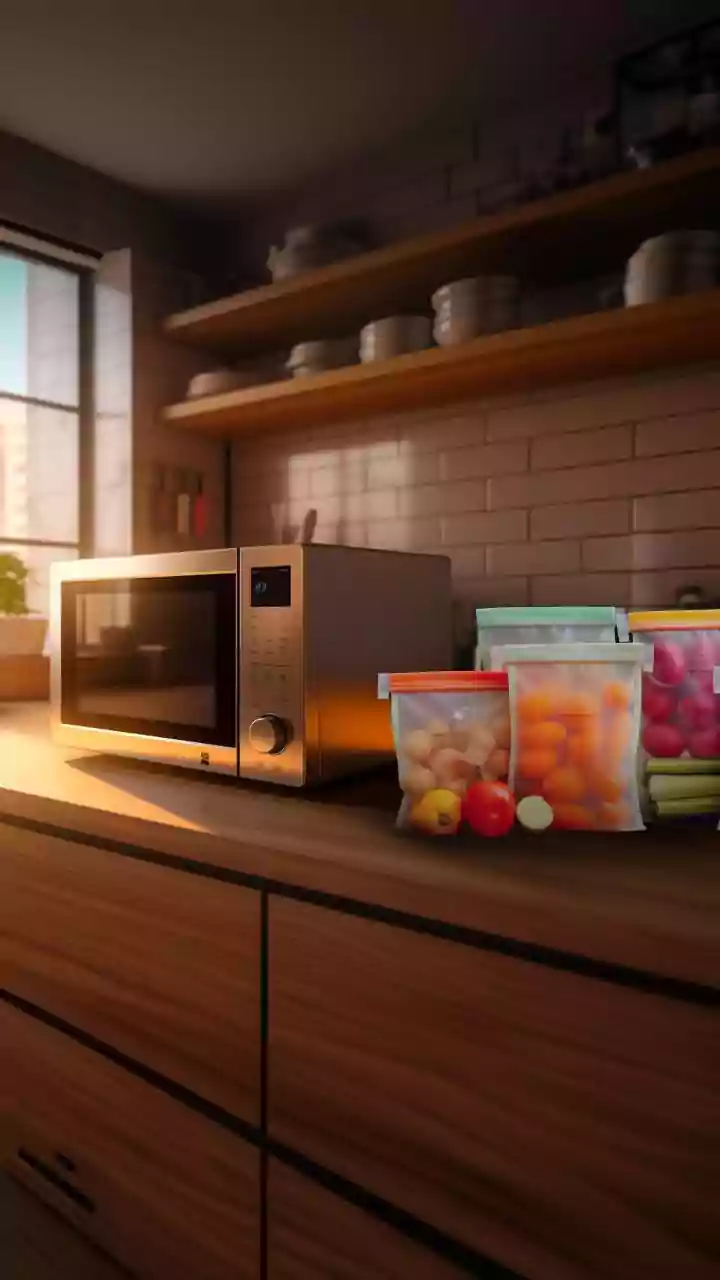
Once portioned and cooled, how you store your meals matters. For refrigerated meals you plan to eat within 3–4 days, make sure your fridge is set to $40$F ($4$C) or below. For any portions you won't eat within that window, the freezer is your best friend. Freeze them on the day you cook for the best quality. Always label containers with the name of the meal and the date it was prepared. This simple habit prevents you from guessing how old a meal is. When you're ready to eat, reheat leftovers to an internal temperature of $165$F ($74$C) to ensure they are safe.