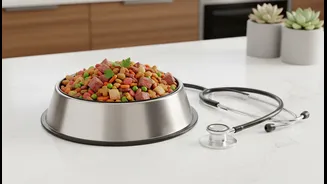

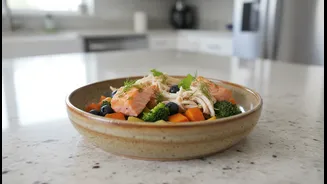
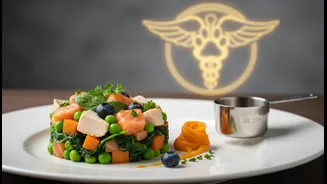
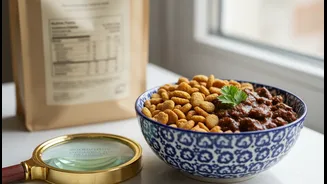


The Allure of the Boutique Bowl
Pet food today mirrors human food trends. We see labels like 'grain-free', 'human-grade', 'holistic', and 'raw'. Brands offer exotic ingredients like kangaroo or bison, often produced by smaller, 'boutique' companies. For loving pet parents in India,
who increasingly view their pets as family, providing the best is a priority. This sentiment drives the desire to purchase what appears to be a healthier, more natural diet. The marketing is powerful, suggesting that these foods are what your pet would eat in the wild and are unequivocally the best choice. However, these claims often lack scientific backing and can be misleading.
Decoding 'Grain-Free' and Other Buzzwords
Grain-free diets have become incredibly popular, piggybacking on human gluten-free trends. The assumption is that grains are just fillers and that avoiding them is healthier. However, veterinarians raise a significant concern: a potential link between grain-free diets—particularly those high in legumes like peas and lentils—and a serious heart condition called dilated cardiomyopathy (DCM) in dogs. The FDA began investigating this link in 2018 after seeing a rise in DCM in breeds not typically prone to it. While grains are not a common allergen in pets, the exotic ingredients used to replace them may not be as well-researched for long-term health. Similarly, terms like 'human-grade' can be confusing. While it means the ingredients are technically fit for human consumption, it does not automatically guarantee the food is nutritionally complete and balanced for a dog or cat.
The Reality of Raw and Homemade Diets
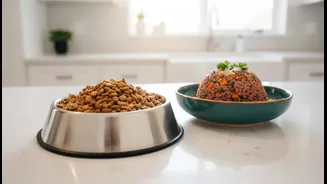
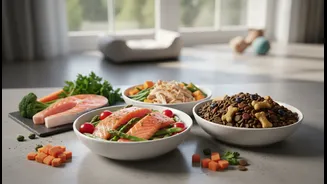
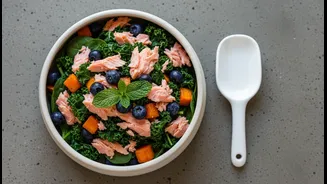
The idea of a raw or home-prepared diet sounds wholesome, giving you complete control over ingredients. The reality is far more complex and risky. Numerous studies have found that the vast majority of homemade pet diet recipes—even many written by veterinarians—are nutritionally deficient. One study found that only 6% of homemade diets had the potential to be nutritionally complete. These diets often lack essential nutrients like calcium, zinc, and certain vitamins, which can lead to serious health problems over time, including poor bone health. Furthermore, raw meat diets pose a significant risk of bacterial contamination from pathogens like Salmonella and Listeria. These bacteria can make your pet sick and can also be transmitted to humans in the household, posing a particular danger to children, the elderly, and immunocompromised individuals.
Your Vet: The Ultimate Food Critic
Your veterinarian is your most reliable partner in navigating pet nutrition. They can cut through the marketing hype and provide recommendations based on science and your pet's individual needs. Factors like your pet’s age, breed, size, activity level, and any underlying health conditions are all crucial in determining the right diet. A veterinarian will assess your pet and recommend a food made by a reputable company that conducts rigorous quality control and employs veterinary nutritionists. They can also help you understand pet food labels, which can be confusing. While India has its own standards (BIS IS 11968:2019), many brands reference guidelines from the Association of American Feed Control Officials (AAFCO). Your vet can help you look for labels that indicate the food is 'complete and balanced' for your pet's life stage through feeding trials or formulation to meet AAFCO standards.
How to Read a Pet Food Label
When you look at a pet food label, start with the ingredient list. Ingredients are listed in descending order by weight, so the first few items make up the bulk of the food. Look for a specific, named animal protein source like 'chicken' or 'lamb' as one of the first ingredients, rather than vague terms like 'meat by-products'. Next, check the 'Guaranteed Analysis,' which gives the minimum protein and fat and maximum fibre and moisture. Finally, find the nutritional adequacy statement. This tells you if the food is complete and balanced for a specific life stage, such as 'adult maintenance' or 'growth' (for puppies and kittens). Don't be swayed by flashy graphics or unregulated marketing terms like 'premium' or 'gourmet'.