






The Perfect Post-Monsoon Window
The best time to dive in Lakshadweep is widely considered to be between October and May. The autumn months, right after the monsoon recedes, offer a particularly magical window for learners. From October onwards, the Arabian Sea settles, leaving calm,
predictable waters and clear blue skies. Water temperatures are consistently warm, typically hovering between 27°C and 30°C, eliminating the need for thick, restrictive wetsuits and allowing beginners to focus on their skills in comfort. This period marks the start of the peak season for a reason: the conditions are gentle, safe, and incredibly inviting.
Nature's Ideal Underwater Classroom
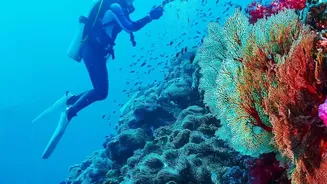
One of the standout features of Lakshadweep is its network of calm, shallow lagoons. These natural pools are sheltered from the open ocean's currents and waves, creating a stress-free environment that functions as a perfect underwater classroom. Islands like Agatti, Kavaratti, and Kadmat are renowned for these gentle lagoons, which are ideal for the first few stages of a certification course. Here, students can practice essential skills like buoyancy control and mask clearing on sandy bottoms without battling currents, building confidence before they even head out to the reef. The serene conditions significantly reduce the anxiety many first-time divers feel.
Unrivalled Visibility for Easy Learning
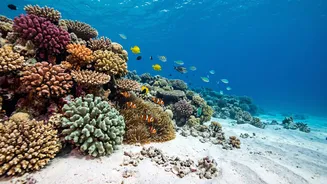
For a beginner, being able to see your instructor, your gear, and your surroundings clearly is paramount. Lakshadweep's post-monsoon waters are famous for their astounding clarity, with visibility often ranging from 20 to 40 metres. This crystal-clear view is not just for beautiful photos; it’s a major safety and learning advantage. Trainees can easily watch instructor demonstrations, read hand signals from a distance, and feel a greater sense of awareness and control. This exceptional visibility makes the first breath underwater feel less like a leap of faith and more like stepping into a vast, sunlit room.
A Gentle Introduction to Rich Marine Life
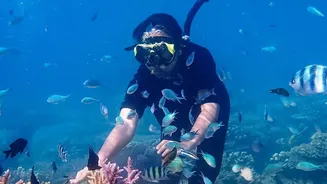
The reward for learning to dive is witnessing marine life, and Lakshadweep delivers spectacularly without overwhelming beginners. The lagoons and nearby reefs are vibrant nurseries for a huge variety of fish and corals. Unlike advanced sites known for strong currents and large pelagic animals, the beginner-friendly spots are frequented by calm and curious creatures. It's common to encounter green sea turtles, colourful parrotfish, clownfish, and schools of butterflyfish on your very first dives. These gentle encounters make the learning process magical and reinforce the wonder of the underwater world, ensuring new divers are eager for their next dive.
Access to Professional PADI-Certified Schools
A great location is nothing without great instruction. The growing popularity of Lakshadweep as a diving hub means there is a strong presence of professional, PADI-certified dive centres on islands like Kavaratti, Agatti, and Kadmat. These schools are staffed with experienced instructors who are adept at guiding nervous beginners and maintaining high safety standards. They offer a full range of courses, from introductory Discover Scuba Dives to full Open Water Diver certifications. Choosing a reputable dive centre is crucial, and the certified operations in Lakshadweep provide the professional framework needed to become a safe and confident diver.
Planning Your Educational Dive Trip
While interest in Lakshadweep is surging, visiting the islands still requires planning. All non-residents need an entry permit, which must be applied for online via the official ePermit portal at least 14 days before travel. Recent rule changes in 2026 have simplified the process, removing the previous need for a local sponsor or a Police Clearance Certificate for tourists. You will, however, need to specify which islands you plan to visit. The main gateway to the islands is the airport on Agatti Island, from which you can take boats to other islands like Kavaratti and Bangaram. Booking your dive course and accommodation well in advance is highly recommended, especially during the peak autumn and winter months.