





What a Red Alert Actually Means
First, let's be clear: a red alert from the IMD is the highest level of warning. It means “Take Action.” It is issued when extremely heavy rainfall (often over 204.5 mm in 24 hours) is expected, posing a significant risk to life and property. This is not
just a heavy shower; it's a forecast for weather that can disrupt transport, cause widespread flooding, and trigger landslides, especially in hilly regions like the Ghats. Authorities are on high alert, and the core message to the public is to protect themselves and avoid unnecessary travel.
The Real Risks on the Road
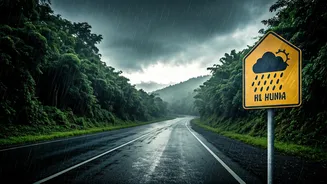
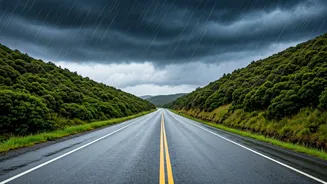
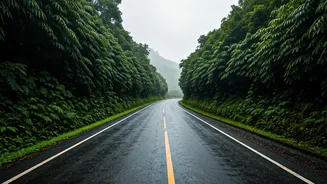
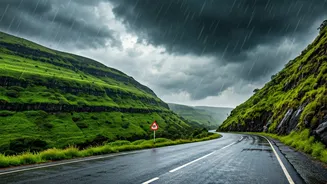
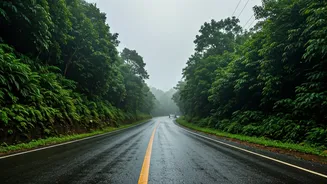
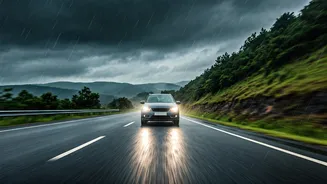
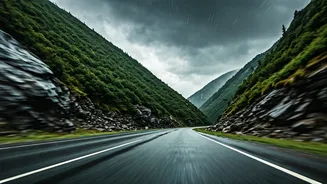
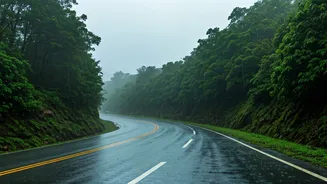
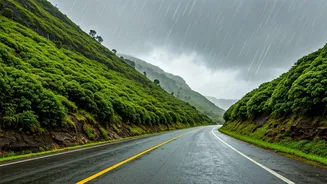
Driving to Mahabaleshwar during a red alert isn't just about navigating wet roads. The ghat sections become treacherous. The primary dangers include landslides and rockfalls, which can block roads for hours or days. Visibility can drop to near-zero in seconds due to thick fog and intense rain, making it impossible to see hairpin bends or oncoming traffic. Roads can become extremely slippery, and the constant flow of water can create dangerous currents or wash away parts of the tarmac. Even a minor vehicle breakdown can become a major emergency when you are stranded in a remote ghat section with poor mobile connectivity.
Your Pre-Trip Vehicle Check
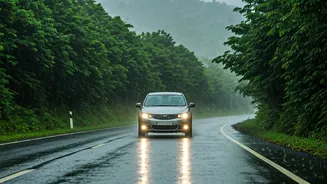
If you are even considering the journey before an alert is issued, a thorough vehicle check is non-negotiable. Ensure your tyres have excellent tread depth for grip on slippery surfaces. Your brakes must be in perfect condition, as they will be under immense strain on steep descents. Check that your headlights, taillights, and fog lamps are all working—you will need them. Crucially, your windshield wipers must be effective at clearing heavy rain. Carry a puncture repair kit or a good spare tyre, a tow cable, and a basic toolkit. These small preparations can make a huge difference in an emergency.
Rules for Driving in the Ghats
Should you find yourself driving in these conditions, adapt your style completely. Drive significantly slower than you normally would. Honk lightly before blind curves to alert others of your presence. Maintain a much larger following distance from the vehicle in front. When climbing steep inclines, use lower gears to give your engine more power and avoid stalling. When going downhill, also use lower gears to control your speed through engine braking, reducing the load on your brakes. Never, under any circumstances, overtake on a blind curve or a narrow stretch of road.
When to Absolutely Cancel Your Trip
The safest decision during a red alert is often to stay home. Heed all official advice. If local authorities or police are advising against travel to Mahabaleshwar, cancel your plans. If roads are officially closed, do not try to find alternate routes, which may be even more dangerous. Check live traffic updates and news reports for information on landslides or flooding. If the forecast is worsening, postpone your trip. No hotel booking or weekend plan is worth risking your safety. A useful rule is to listen to your gut; if you feel anxious or unprepared for the conditions, that's a good enough reason to stay put.
Essential Emergency Kit
For any monsoon travel, but especially during a red alert, your emergency kit should go beyond the basics. Pack high-energy snacks and sufficient drinking water in case you get stranded for several hours. A fully charged power bank for your phone is essential for communication and navigation. Download offline maps of your route, as mobile networks can be unreliable in the ghats. A powerful flashlight, a first-aid kit, and any personal medications are must-haves. Keep important documents in a waterproof bag. It is always better to be over-prepared and not need these items than to be caught without them.