

The Philosophy of Vrat Food
The Navratri fast, or 'vrat', is a time for detoxification of the body and mind. The diet is traditionally 'sattvic', meaning it promotes purity, peace, and clarity. This involves avoiding grains like wheat and rice, lentils, legumes, onions, garlic,
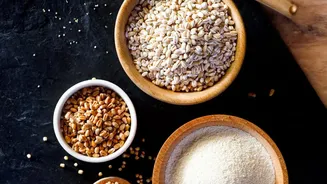
and non-vegetarian food. Instead, the focus is on fruits, vegetables, dairy, and a unique category of pseudo-grains and flours that provide energy while being easy to digest. These foods are believed to align the body with the spiritual practices of the festival. This year, Sharad Navratri will be observed from October 11 to October 19, 2026, culminating in Vijayadashami on October 20.
Kuttu ka Atta (Buckwheat Flour)
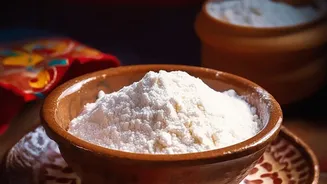
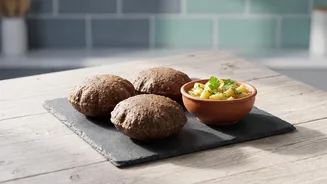
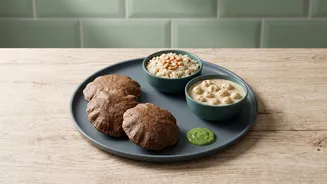
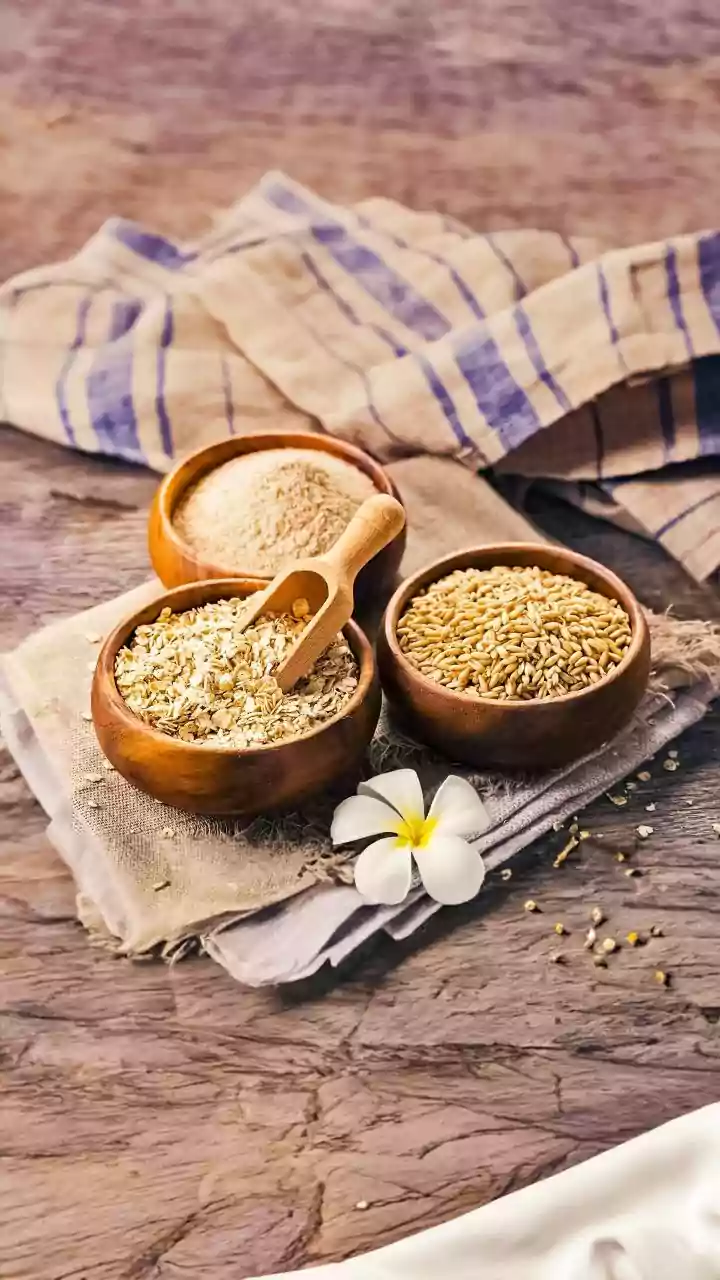
Despite its name, buckwheat is not a type of wheat but a fruit seed, making it a gluten-free staple perfect for Navratri. Known as Kuttu ka atta, this flour is a nutritional powerhouse, packed with high-quality protein containing all essential amino acids, fibre, magnesium, and antioxidants. Its low glycemic index helps in managing blood sugar levels, providing sustained energy that is ideal for fasting days. Its earthy flavour lends itself well to classic vrat dishes like Kuttu ki poori, cheela (pancakes), and parathas, often paired with a simple potato curry.
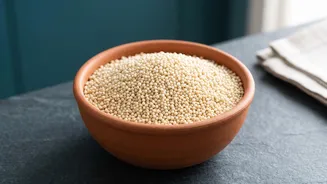
Sama ke Chawal (Barnyard Millet)
Sama ke chawal, or barnyard millet, is the go-to substitute for rice during Navratri. Technically a seed from a wild grass, it's a light and easily digestible pseudo-cereal. Rich in dietary fibre and protein, it keeps you feeling full and energetic. Sama rice has a very low glycemic index, making it an excellent choice for everyone, including those managing diabetes. It is incredibly versatile and can be used to make savoury dishes like khichdi and pulao, or sweet preparations like kheer, offering a comforting and familiar texture.
Singhara Atta (Water Chestnut Flour)
Singhara atta is made from dried, ground water chestnuts. This gluten-free flour is another popular choice for vrat cooking. It is valued for its cooling properties, which help balance body heat. Rich in fibre, potassium, and antioxidants, it aids digestion, helps manage water retention, and provides a steady supply of energy. While it can be used on its own to make rotis, pooris, and halwa, its dense texture means it is often mixed with other vrat-friendly flours to create lighter dishes.
Rajgira (Amaranth)
Rajgira, or amaranth, translates to 'royal grain', and its nutritional profile lives up to the name. It is a pseudo-grain that is exceptionally rich in protein, calcium, and iron. Being gluten-free and easy to digest, rajgira provides long-lasting energy and a feeling of fullness, which is crucial during fasting. The flour (rajgira ka atta) is used to make pooris, parathas, and cheelas, while the popped seeds are often used to make chikki or ladoos with jaggery, creating a delicious and healthy festive snack.
Sabudana (Tapioca Pearls)
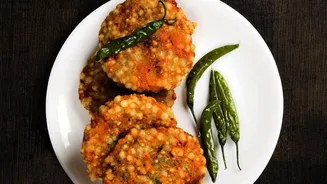
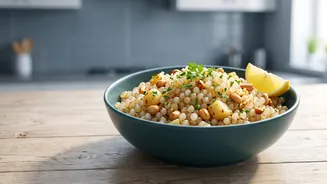
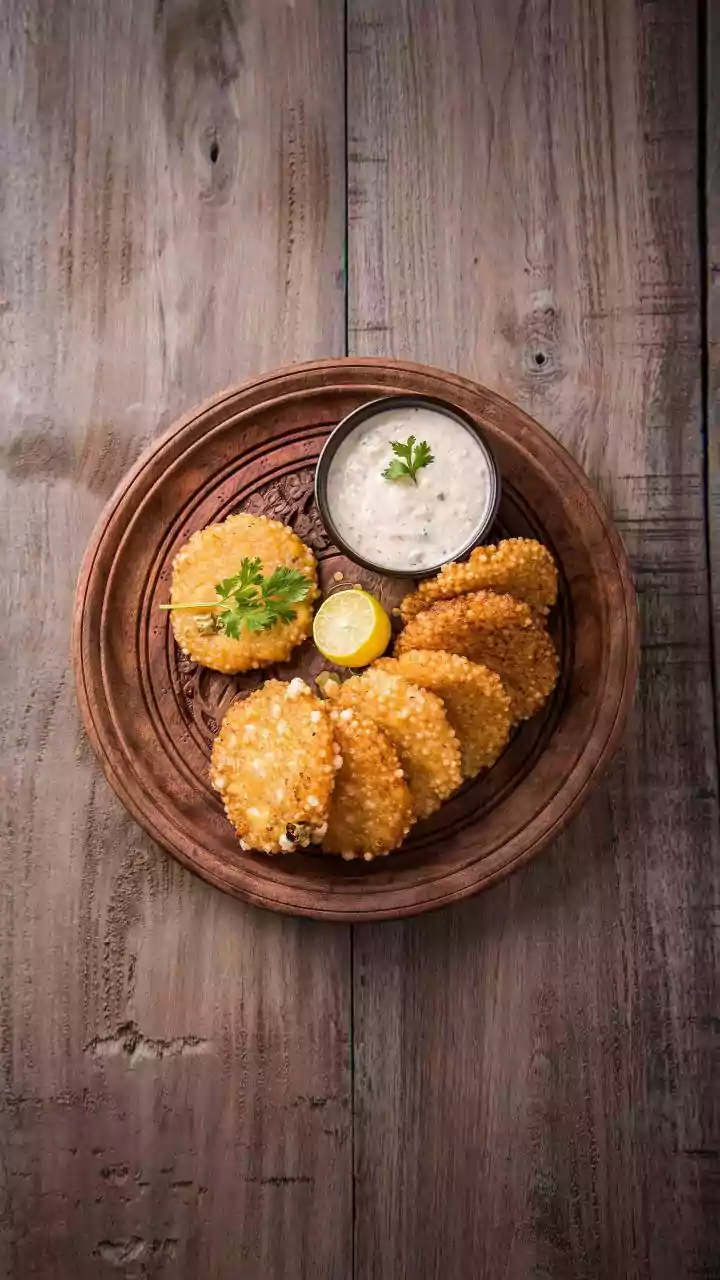
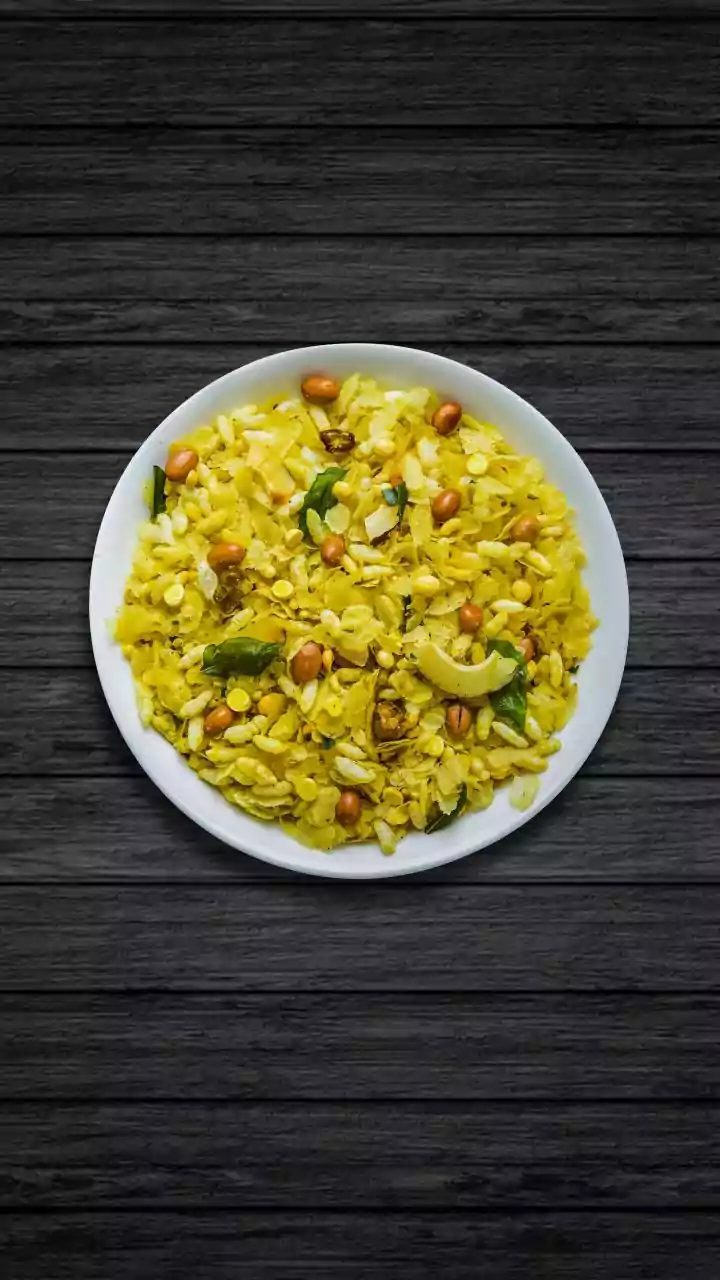
Sabudana is perhaps one of the most recognised fasting foods. Extracted from the cassava root, these small pearls are almost pure carbohydrates, providing a quick and instant source of energy. This makes them ideal for replenishing energy levels during a fast. Popular dishes like Sabudana khichdi, vada, and kheer are staples in many households. However, it's important to note that sabudana has low nutritional value in terms of protein, fibre, and vitamins. To make it a more balanced meal, it's best to combine it with other ingredients like peanuts, vegetables, and dairy.