
Spain's iconic landmarks feature on countless bucket lists, promising architectural marvels and sun-drenched plazas. But the reality can involve overwhelming crowds and tourist traps. Here’s a look at what to expect at some of Spain's most popular sites.
La Sagrada Familia, Barcelona
The Expectation: You imagine a serene, spiritual experience, gazing up at Antoni Gaudí's masterpiece, with light streaming through the stained-glass windows in a symphony of colour. You'll snap the perfect photo of the intricate facade without anyone in your shot. The Reality: La Sagrada Familia is breathtaking, but it is rarely serene. It receives around 4.7 million visitors annually, translating to between 14,000 and 16,000 people per day. The area outside is so congested with selfie-takers that city officials have been developing plans to create a designated public square to manage the flow. Inside, securing a ticket can be a challenge; the basilica has no physical box office, and tickets must be bought online, often selling out days or weeks in advance for popular time slots. The worst time to visit is midday (11 a.m. to 3 p.m.), when crowds are thickest and the overhead sun flattens the famous lighting effects. How to Make it Better: Book your tickets online the moment your travel dates are firm. Aim for the first slot of the morning (around 9 a.m.) for fewer crowds and beautiful, warm light. The area can feel saturated with up to 18 million people visiting the church's surroundings annually, so be prepared for a high-energy environment.
Park Güell, Barcelona
The Expectation: A whimsical stroll through Gaudí's fairytale park, lounging on the colourful serpentine bench, and capturing a playful photo with the famous mosaic dragon, 'El Drac', with the city stretching out behind you. The Reality: Like La Sagrada Familia, Park Güell is a victim of its own success. The 'monumental zone', which contains the most famous Gaudí works, requires a timed-entry ticket and can feel incredibly crowded. You will likely have to wait your turn for a photo on the bench or near the salamander. The park is also located on a hill, and reaching the entrance involves a significant uphill walk, though some escalators are available on certain routes. How to Make it Better: Buy your tickets online well in advance. Visiting early in the morning is the best strategy to avoid the largest crowds and the intense midday heat, especially in summer. A guided tour can add valuable context to Gaudí's vision, explaining what was originally intended as a residential community. For a less crowded experience, explore the free-to-enter surrounding parklands, which still offer lovely green space and views.
The Restaurants of Plaza Mayor, Madrid
The Expectation: A romantic dinner in one of Spain's most beautiful and historic squares. You'll sip sangria and enjoy authentic paella while soaking in the 17th-century architecture under the stars. The Reality: While Plaza Mayor is a must-see architectural gem, its restaurants are widely considered a tourist trap. You'll pay double or even triple the price for food and drinks compared to establishments just a few streets away. A beer that costs €2.50 elsewhere might be €6 here, and many of the dishes, like paella (a Valencian specialty), are not traditionally from Madrid and are often made from frozen ingredients for the tourist palate. How to Make it Better: By all means, visit Plaza Mayor, walk its arcades, and take photos. But for your meal, walk ten minutes south to the La Latina neighbourhood. Streets like Calle Cava Baja are packed with authentic tapas bars where Madrileños actually eat, offering better food at a fraction of the cost.
Authentic Flamenco in Seville
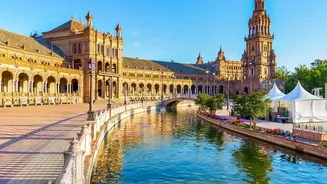
The Expectation: You'll stumble into a dimly lit, intimate bar in the heart of Seville and witness a raw, passionate, and spontaneous flamenco performance, the 'duende' (spirit) of the art form washing over you. The Reality: Finding authentic flamenco requires a little research. As the art form's capital, Seville has countless venues, but many offer pricey, polished shows tailored for tourists, sometimes with dinner included, which can dilute the experience. The most authentic experiences are often found in smaller 'tablaos' or even local 'peñas' (flamenco social clubs), which may not be as heavily advertised. How to Make it Better: Look for shows in the Triana neighbourhood, the historic heart of Seville's Gitano community and the birthplace of many famous artists. Venues like Casa de la Memoria and Casa del Flamenco are praised for their intimate settings and high_quality traditional performances without microphones. Booking is almost always recommended for these smaller popular spots. For a more spontaneous feel some local bars feature performances late at night though without a set schedule.